How to Choose a Concealer: Shade, Coverage and Finish
Last updated: October 7, 2026
Cali's Cart is reader-supported. When you buy through our links we may earn a commission, at no extra cost to you. As an Amazon Associate I earn from qualifying purchases. Learn more
Choosing the right concealer can feel overwhelming when you’re staring at dozens of shades and formulas. The truth is, concealer isn’t one-size-fits-all—the shade, coverage and finish you need depend entirely on what you’re trying to conceal. A concealer that brightens dark circles beautifully might look obvious on a blemish, while a formula that erases redness can settle into fine lines under the eyes.
This guide walks you through the practical decisions that matter: how to match your shade and undertone, what coverage level suits different concerns, and which finish will look natural on your skin. Whether you’re new to concealer or refining your routine, understanding these fundamentals will help you find a formula that actually works for you.
In short
- Match concealer to the job: go about half a shade lighter for under-eye brightening, but match your skin exactly for blemishes and redness
- Coverage ranges from sheer to full; hydrating formulas work well under eyes, while fuller coverage suits spots
- Consider your undertone (cool, warm, neutral) and finish preference (radiant to matte) when choosing
- Always swatch along the jaw or under the eye in natural daylight and apply in thin, buildable layers
Understanding shade matching: when to go lighter and when to match exactly
The most common concealer advice—match your foundation shade—is only half right. For under-eye brightening, a common approach is to go about half a shade lighter than their natural skin tone. This subtle lift counteracts the shadowing that makes dark circles visible. The key word is subtle: too light and you’ll end up with a reverse panda effect that draws more attention to the area.
For blemishes, redness, and hyperpigmentation, match your skin tone exactly so the concealer disappears into your complexion. A lighter shade will highlight the spot you’re trying to hide, while a darker shade won’t neutralize the discolouration. Swatch along your jawline in natural daylight to see how the shade blends with your neck and face. If you’re shopping online, check whether the listing offers shade descriptions or undertone guidance, and remember that you can always build coverage with thin layers rather than relying on a single heavy application.
Identifying your undertone and why it matters
Even if you nail the depth (how light or dark the shade is), the wrong undertone will make concealer look grey, pink or orange on your skin. Undertones fall into three categories: cool (pink or blue), warm (yellow or golden), and neutral (a balanced mix). A quick way to gauge yours is to look at the veins on your inner wrist in natural light—blue or purple veins suggest cool, green suggests warm, and a mix of both suggests neutral.
When browsing concealer shades, look for undertone clues in the name or description: words like ‘ivory’ or ‘porcelain’ often lean cool, ‘beige’ or ‘sand’ lean warm, and ‘natural’ or ‘true’ suggest neutral. If a formula offers multiple shades, compare the undertone families rather than just the lightness. Swatching remains the gold standard—apply a small amount under your eye or along your jaw and check it in daylight. The right undertone will blend seamlessly, while the wrong one will sit on top of your skin looking off.
Choosing coverage: from sheer to full
Coverage describes how much pigment the concealer deposits and how well it hides discolouration. Sheer or light coverage evens out tone and brightens without masking your skin, making it ideal for subtle under-eye work or days when you want a natural look. Medium coverage conceals mild dark circles and minor redness, while full coverage is designed for stubborn blemishes, hyperpigmentation, and deeper discolouration.
Hydrating formulas with light-to-medium buildable coverage are often easier to work with under the eyes, where skin is thin and prone to creasing. Fuller-coverage formulas tend to be thicker and longer-wearing, which suits spots and redness but can look heavy or settle into fine lines if applied too thickly under the eyes. The Maybelline Instant Age Rewind Eraser Concealer offers light-to-medium buildable coverage with a sponge-tip applicator, while the e.l.f. Hydrating Camo Concealer delivers full coverage in a long-wear liquid formula. Think about your primary concern and whether you’d rather build up coverage gradually or get it in one swipe.
Selecting a finish: radiant, satin or matte
Finish refers to how the concealer looks once it sets—radiant (dewy and light-reflecting), satin (soft and natural), or matte (flat and shine-free). Radiant finishes brighten the under-eye area and give a fresh, awake look, but they can emphasize texture or look greasy on oily skin. Matte finishes photograph beautifully and stay put on oily areas, but they can accentuate dryness or fine lines if the skin isn’t well-prepped.
Satin finishes split the difference, offering a natural look that works across most skin types. For under-eyes, many people prefer a radiant or satin finish to avoid a flat, aged appearance. For blemishes and the T-zone, a satin or matte finish often looks more seamless and lasts longer. Consider your skin type and the area you’re concealing: dry skin benefits from hydrating, radiant formulas, while oily or combination skin may prefer satin or matte. If you’re unsure, start with a satin finish—it’s the most forgiving and versatile.
Common mistakes to avoid
One of the biggest mistakes is choosing a concealer shade in artificial lighting. Drugstore and department-store lighting skews cool and bright, making shades look different than they will on your face outdoors. Always swatch in natural daylight, ideally near a window, and give the formula a few minutes to oxidize (some concealers darken slightly after application). Another common error is applying too much product at once. Concealer works best in thin, buildable layers—start with a small amount, blend it out, and add more only where needed.
Skipping prep is another pitfall, especially under the eyes. Dry, flaky skin will make even the best concealer look patchy, and applying concealer directly over moisturizer that hasn’t absorbed can cause it to slip and separate. Give your skincare a minute to sink in, and consider a light eye cream if you’re prone to dryness. Finally, don’t ignore undertone. A concealer that’s too pink, too yellow, or too grey will never look natural, no matter how well you blend it. If you’re ordering online and the shade turns out wrong, check the return policy before opening the product.
Quick checklist before you buy
Before you commit to a concealer, ask yourself what you’re trying to conceal. For under-eye brightening, look for a shade about half a tone lighter than your skin with a radiant or satin finish. For blemishes and redness, match your skin tone exactly and consider a fuller-coverage, longer-wearing formula. Identify your undertone—cool, warm, or neutral—and choose a shade family that aligns with it. Check the coverage level: sheer to medium for under-eyes, medium to full for spots.
Here’s a quick checklist to run through: Does the shade match your undertone? Is the coverage appropriate for your concern? Will the finish work with your skin type and the area you’re concealing? Can you swatch it in natural light, or does the listing provide detailed shade information? Have you prepped your skin with moisturizer and let it absorb? Are you planning to apply thin layers and build up, rather than one thick coat? Answering these questions will help you choose a concealer that actually does the job. For more guidance on choosing makeup that works for you, explore our beauty guides.
Products worth considering
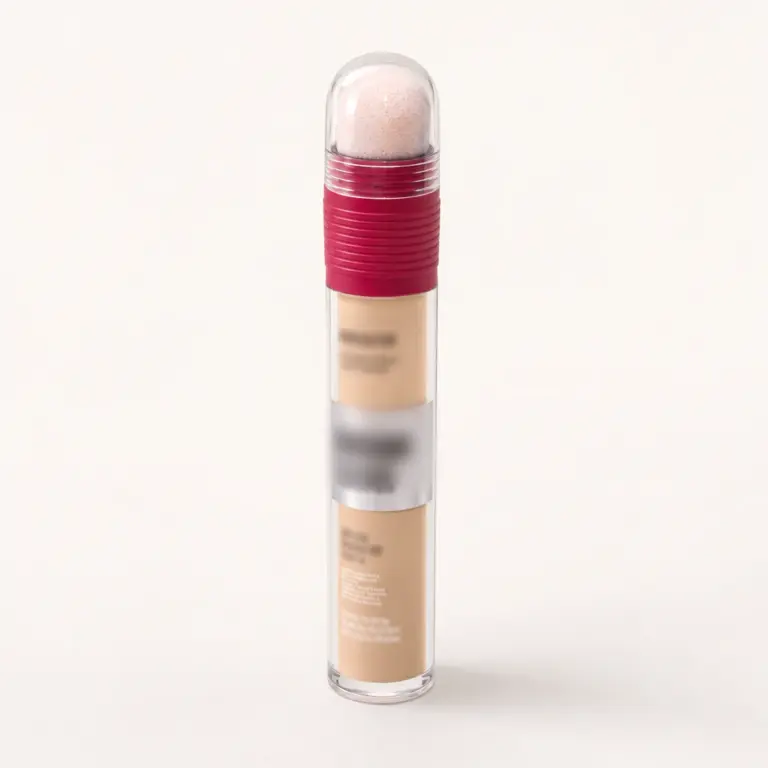
Maybelline Instant Age Rewind Eraser Concealer
The Maybelline Instant Age Rewind Eraser Concealer is a solid drugstore option for under-eye brightening and a natural finish. Based on our research, Vogue’s reviewers named it the best drugstore concealer, praising its good coverage. The sponge-tip applicator makes blending easy, and the light-to-medium buildable coverage lets you customize the level of correction you need. It’s available in multiple shades, including shade 120 Light, and the formula is designed for everyday use. If you need full, heavy-duty coverage for stubborn discolouration, this won’t be your best bet, but for brightening and a fresh, natural look at a budget-friendly price point (typically about $10 to $25), it’s a strong contender.
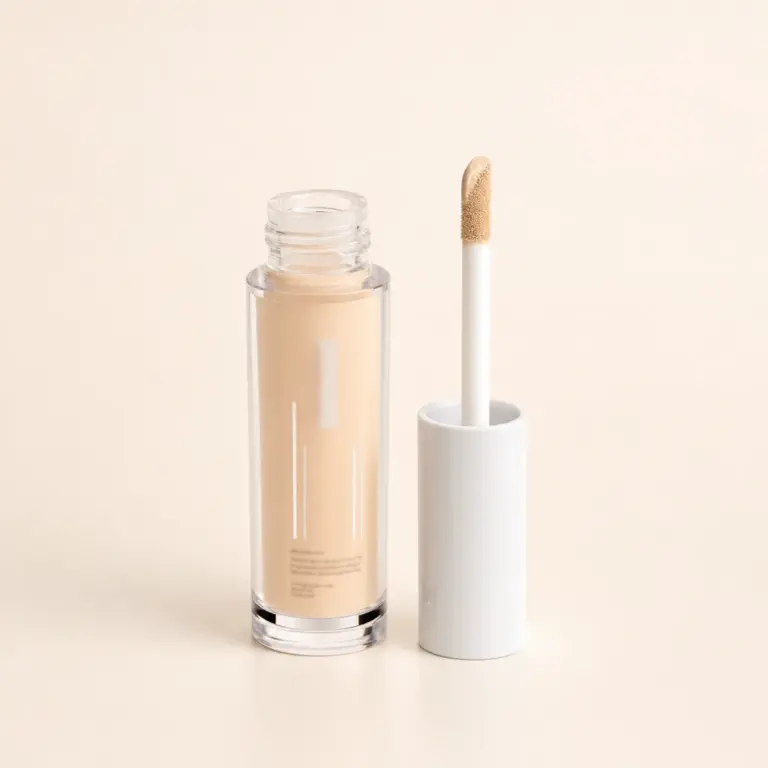
e.l.f. Hydrating Camo Concealer
The e.l.f. Hydrating Camo Concealer offers full coverage in a long-wear liquid formula with a satin finish, making it a solid choice for covering blemishes, redness, and dark circles when you want serious coverage. Cosmopolitan highlighted it as a drugstore pick, though editors noted it can look dry on the under-eye area. If you have dry skin or skip prep, you may find the finish less forgiving—consider applying a hydrating eye cream first and setting it lightly. With proper prep, it delivers impressive coverage at a budget-friendly price point (typically about $8 to $15). This formula is best for those who need full coverage and are willing to take the time to prep and blend. The shade-specific listing (this ASIN is Light Ivory) means you’ll want to double-check your match carefully.
Maybelline New York
Maybelline Instant Age Rewind Eraser Concealer
Best for Under-eye brightening, natural finish, everyday use
A drugstore concealer with a sponge-tip applicator and light-to-medium buildable coverage for under-eye brightening.
e.l.f. Cosmetics
e.l.f. Hydrating Camo Concealer
Best for Full coverage on blemishes, redness, and dark circles
Full-coverage liquid concealer with a satin finish and long-wear formula from e.l.f. Cosmetics.
As an Amazon Associate I earn from qualifying purchases. How we make money
Frequently asked questions
Should I choose a concealer lighter or darker than my skin tone?
It depends on what you’re concealing. For under-eye brightening, going about half a shade lighter can counteract shadowing and make you look more awake. For blemishes, redness, and hyperpigmentation, match your skin tone exactly so the concealer blends invisibly into your complexion. A lighter shade will highlight spots, while a darker shade won’t neutralize discolouration effectively.
How do I know my undertone when choosing concealer?
Look at the veins on your inner wrist in natural light: blue or purple veins suggest a cool undertone, green suggests warm, and a mix suggests neutral. When shopping, look for undertone clues in shade names—’ivory’ or ‘porcelain’ often lean cool, ‘beige’ or ‘sand’ lean warm, and ‘natural’ or ‘true’ suggest neutral. Always swatch in daylight to confirm the undertone blends seamlessly with your skin.
What’s the difference between light, medium and full coverage concealer?
Light coverage evens tone and brightens subtly without masking your skin, ideal for a natural look or minor under-eye work. Medium coverage conceals mild dark circles and redness. Full coverage is designed for stubborn blemishes, deep discolouration, and hyperpigmentation. Hydrating, buildable formulas work well under the eyes, while fuller-coverage formulas suit spots and areas that need long-lasting correction.
Should I choose a matte or radiant finish for under-eye concealer?
For under-eyes, a radiant or satin finish is often more flattering because it brightens and reflects light, making you look awake. Matte finishes can accentuate dryness or fine lines in that delicate area. For blemishes and the T-zone, a satin or matte finish tends to last longer and look more seamless. Consider your skin type: dry skin benefits from radiant formulas, while oily skin may prefer satin or matte.