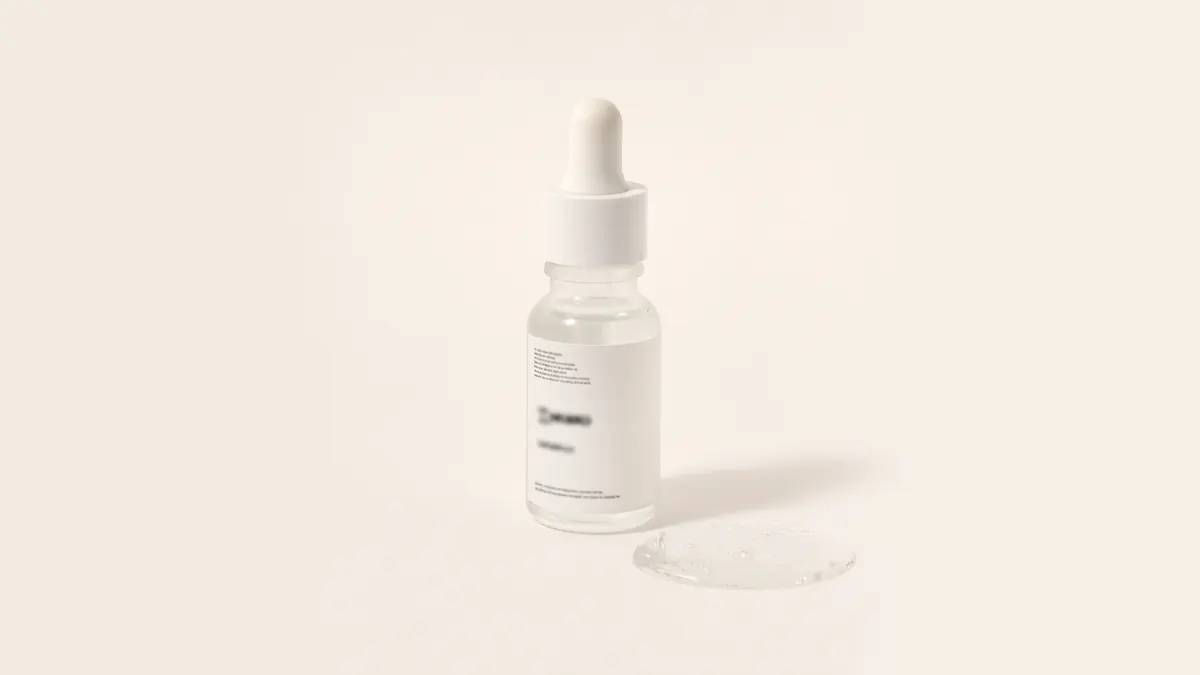
The Ordinary Hyaluronic Acid vs Niacinamide
Last updated: October 7, 2026
Cali's Cart is reader-supported. When you buy through our links we may earn a commission, at no extra cost to you. As an Amazon Associate I earn from qualifying purchases. Learn more
The Ordinary Hyaluronic Acid 2% + B5 and The Ordinary Niacinamide 10% + Zinc 1% are two serums from the same brand, but they work in fundamentally different ways. The Hyaluronic Acid serum is a hydration specialist, designed to draw moisture into multiple layers of skin and plump fine dry lines. The Niacinamide serum, on the other hand, is formulated to help manage oil production and the appearance of blemishes. If you’re building a skincare routine and trying to decide between the two, understanding what each one does—and doesn’t do—will help you choose the right fit.
Both serums are typically about $5 to $20 and come in 30 mL bottles, making them accessible entry points into targeted skincare. But price and size are where the similarities end. One is all about moisture retention and barrier support; the other focuses on balancing sebum and smoothing skin texture. Many people eventually use both, but if you’re starting with just one, your skin type and primary concern will point you in the right direction.
In short
- Hyaluronic Acid 2% + B5 delivers multi-depth hydration with five types of HA and ceramides; best for dry or dehydrated skin.
- Niacinamide 10% + Zinc 1% targets oil control and blemishes with a high-strength formula; suited to oily or combination skin.
- Both are budget-friendly serums typically about $5 to $20, but they address different concerns and can be layered together in the same routine.
| Feature | The Ordinary Hyaluronic Acid 2% + B5 Review | The Ordinary Niacinamide 10% + Zinc 1% |
|---|---|---|
| Brand | The Ordinary | The Ordinary |
| Best for | Dry or dehydrated skin on a budget | Oily, blemish-prone, or combination skin on a budget |
| Not ideal for | Those wanting an all-in-one serum | Very sensitive or barrier-damaged skin |
| Price | $ Budget price tierAbout $10 to $20Typical range, Oct 2026 | $ Budget price tierAbout $5 to $10Typical range, Oct 2026 |
| Key features |
|
|
| Where to buy | Check Price | Check Price |
Swipe sideways to see every product.
As an Amazon Associate I earn from qualifying purchases. How we make money
Formula and Texture: Hydration vs Oil Control
The Ordinary Hyaluronic Acid 2% + B5 is a water-based hydrating serum that combines five types of hyaluronic acid to deliver moisture at different depths of the skin. According to the listing, it provides instant hydration for smoother, plumper skin and includes ceramides to lock in moisture and support the skin’s protective barrier. The brand also says pro-vitamin B5 enhances moisture retention and supports the formation of essential barrier components. Wirecutter’s reviewers found it does a reliable skin-plumping job for less than a tenth of the price of pricier alternatives.
The Ordinary Niacinamide 10% + Zinc 1% is also a water-based serum, but it’s formulated with 10% niacinamide and 1% zinc to address oil and blemishes. A dermatologist review at Dermapedia describes it as a single-purpose serum for oil and dark marks, though the review cautions that there is no strong trial evidence showing 10% niacinamide outperforms 5%, and higher concentrations can cause flushing or stinging. The texture is lightweight, but the high niacinamide strength means it’s not suitable for very sensitive or barrier-damaged skin without careful patch testing.
How Each Serum Suits Different Skin Concerns
If your main concern is dryness, dehydration, or fine lines caused by lack of moisture, the Hyaluronic Acid serum is the better match. It’s designed to layer under moisturizer rather than work as a stand-alone treatment, so it fits neatly into a routine where you’re already using a cream or lotion to seal everything in. According to the listing, it’s meant to reduce the appearance of fine dry lines and wrinkles while promoting elasticity and smoothness. It’s a straightforward hydration boost that works well for all skin types that need extra moisture, though it won’t address concerns like oiliness, blemishes, or uneven tone.
The Niacinamide serum is tailored for oily, blemish-prone, or combination skin. Niacinamide is known in cosmetic formulations for helping to regulate sebum production and improve the appearance of pores and post-blemish marks. The 10% concentration in this formula is higher than many alternatives, which may deliver noticeable results but also increases the chance of irritation—especially if your skin is reactive or your barrier is compromised. If you’re dealing with breakouts or excess shine, this is the serum to reach for, but patch testing and starting slowly is essential.
Routine Placement and Layering Tips
Both serums are water-based, so they go on after cleansing and before heavier creams or oils. If you’re using both in the same routine, apply the Niacinamide serum first, let it absorb for a minute or two, then follow with the Hyaluronic Acid serum and seal everything with a moisturizer. The Hyaluronic Acid formula requires a moisturizer on top to lock in the hydration it draws into the skin—without that occlusive layer, hyaluronic acid can actually pull moisture from deeper layers and leave skin feeling tight. For more guidance on layering hydrating serums, see How to Use a Hyaluronic Acid Serum.
The Niacinamide serum can feel slightly tacky if applied too heavily, so start with a few drops and build up if needed. Because the 10% concentration can cause flushing or stinging in some people, it’s wise to introduce it slowly—every other day at first—and watch how your skin responds. If you experience persistent irritation, a lower-strength niacinamide formula may be a better fit. Both serums can be used morning and evening, though if you’re also using active treatments like retinoids or acids, spacing them out can help minimize the chance of overloading your skin.
Value and What You’re Getting
Both serums are budget-friendly and typically about $5 to $20, making them accessible options for anyone building a skincare routine without a premium budget. The Hyaluronic Acid serum delivers multi-depth hydration with a straightforward formulation that layers well and includes barrier-supporting ceramides. It’s not an all-in-one treatment, but it does one thing reliably: it hydrates. Wirecutter’s assessment underscores that it performs the job for a fraction of the cost of high-end alternatives, which is exactly what many shoppers are looking for.
The Niacinamide serum offers a high concentration of an ingredient that’s widely used in cosmetic formulations for oil control and blemish care. The 10% strength is more than you’ll find in many drugstore or mid-range products, which can be a plus if your skin tolerates it well. However, the dermatologist review at Dermapedia points out that higher concentrations don’t necessarily mean better results, and the risk of irritation goes up. If you’re new to niacinamide or have sensitive skin, a gentler formula may offer similar benefits with less chance of stinging or flushing. Both serums are from DECIEM, a Canadian brand based in Toronto, and both represent solid value if they match your skin’s needs.
Choose The Ordinary Hyaluronic Acid 2% + B5 if you
- You have dry, dehydrated, or normal skin that needs a hydration boost.
- You want a serum that layers easily under moisturizer without adding weight or tackiness.
- You’re looking for a straightforward, multi-depth hydrating formula with ceramides for barrier support.
- You’re not dealing with oiliness, blemishes, or uneven tone as your primary concern.
- You want a budget-friendly option that Wirecutter found does a reliable skin-plumping job.
Choose The Ordinary Niacinamide 10% + Zinc 1% if you
- You have oily, blemish-prone, or combination skin and want to help manage sebum and breakouts.
- You’re comfortable patch testing and introducing a high-strength active slowly.
- You’re looking for a serum that addresses oil control and the appearance of post-blemish marks.
- Your skin tolerates niacinamide well and you’re not dealing with sensitivity or a compromised barrier.
- You want a lightweight, water-based formula from a Canadian brand at a budget-friendly price.
Our winner
We researched both serums based on formulation, skin type suitability, ease of use, and expert assessments. The deciding factors were versatility, tolerability, and how well each serum fits into a basic routine. The Hyaluronic Acid serum works for a wider range of skin types—dry, normal, combination, and even oily skin that’s also dehydrated—and it layers seamlessly under moisturizer without the risk of stinging or flushing. Wirecutter’s reviewers found it does a reliable job at a fraction of the cost of premium alternatives, and the inclusion of ceramides adds barrier support that goes beyond simple hydration.
For most readers, The Ordinary Hyaluronic Acid 2% + B5 is the better starting point. It’s straightforward, well-tolerated, and addresses one of the most common skincare concerns—dehydration—without requiring careful patch testing or slow introduction. That said, if your primary concern is oiliness, breakouts, or post-blemish marks, and your skin isn’t sensitive, The Ordinary Niacinamide 10% + Zinc 1% is the more targeted choice. Many people eventually use both in the same routine, layering the Niacinamide first and following with the Hyaluronic Acid and a moisturizer for a complete approach to hydration and oil control.
Our pick
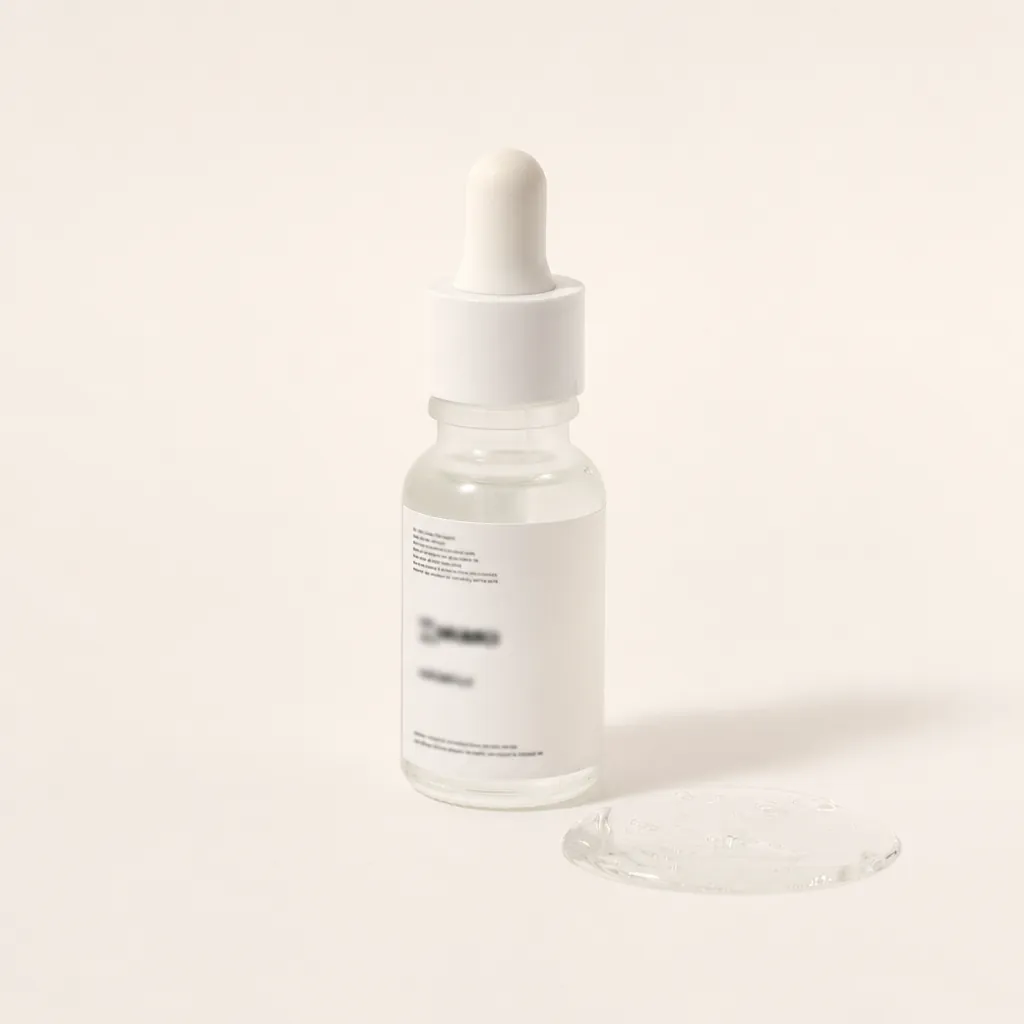
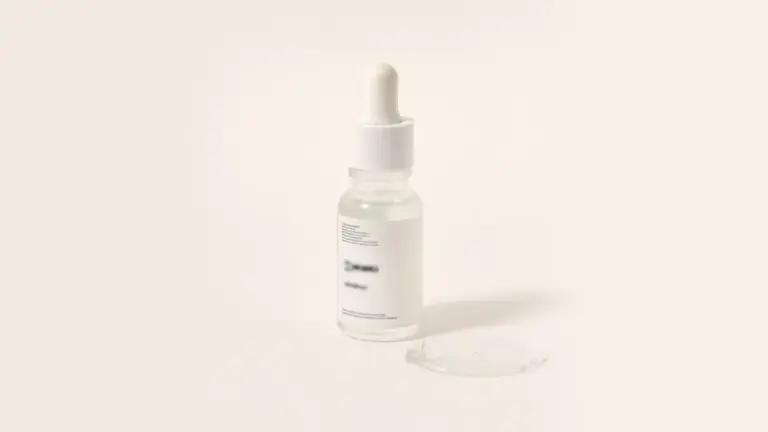
Illustration, not the actual product
The Ordinary
The Ordinary Hyaluronic Acid 2% + B5 Review
A budget-friendly hydrating serum with five types of hyaluronic acid and ceramides for plumper-looking skin.
Best for Dry or dehydrated skin on a budget
Pros
- Budget-friendly hydration
- Five types of hyaluronic acid for multi-layer moisture
- Includes ceramides to support the skin barrier
- Layers well under moisturizer
- Straightforward formulation
Cons
- Not an all-in-one treatment
- Requires a moisturizer on top to seal in hydration
- May feel tacky if applied too heavily
As an Amazon Associate I earn from qualifying purchases. How we make money
Frequently asked questions
Can I use both The Ordinary Hyaluronic Acid and Niacinamide together?
Yes, both are water-based serums and can be layered in the same routine. Apply the Niacinamide serum first, let it absorb, then follow with the Hyaluronic Acid serum and seal everything with a moisturizer. This approach addresses both hydration and oil control without conflict.
Which serum is better for dry skin?
The Ordinary Hyaluronic Acid 2% + B5 is the better choice for dry or dehydrated skin. It’s formulated with five types of hyaluronic acid to deliver multi-depth moisture and includes ceramides to support the skin barrier. The Niacinamide serum is designed for oily or blemish-prone skin and won’t provide the hydration dry skin needs.
Is 10% niacinamide too strong for sensitive skin?
It can be. A dermatologist review at Dermapedia cautions that higher niacinamide concentrations can cause flushing or stinging, especially for sensitive or barrier-damaged skin. If you’re new to niacinamide or have reactive skin, patch test first and introduce the serum slowly. A lower-strength formula may be a gentler option.
Do I need to use a moisturizer with these serums?
Yes, especially with the Hyaluronic Acid serum. It’s designed to layer under moisturizer, and without an occlusive layer on top, hyaluronic acid can pull moisture from deeper skin layers and leave your face feeling tight. The Niacinamide serum also benefits from a moisturizer to complete your routine and support the skin barrier.