How to Choose and Use a Heat Protectant
Last updated: October 7, 2026
Cali's Cart is reader-supported. When you buy through our links we may earn a commission, at no extra cost to you. As an Amazon Associate I earn from qualifying purchases. Learn more
Heat styling tools—blow-dryers, flat irons, curling wands—can transform your hair in minutes, but they also expose each strand to temperatures that can weaken, dry out and damage the cuticle over time. A heat protectant is designed to create a barrier between your hair and the hot tool, helping to reduce (though not eliminate) that damage. According to the American Academy of Dermatology, heat protectant sprays and creams are applied to damp or dry hair before blow-drying or using hot tools, then combed through evenly. The AAD also emphasises that lowering the temperature on your tools is the single biggest step you can take to protect your hair.
Choosing the right heat protectant means understanding your hair type, your styling routine and what else you want the product to do—whether that’s adding shine, taming frizz or refreshing second-day hair. In this guide, we’ll walk you through what to look for, how to apply a heat protectant correctly, common mistakes to avoid and a quick checklist to help you decide which formula suits your needs. For more hair styling advice, explore our other guides on Cali’s Cart.
In short
- Heat protectants reduce (but don’t eliminate) damage from blow-dryers, flat irons and curling irons by creating a barrier between your hair and high temperatures.
- The American Academy of Dermatology advises using heat tools on dry hair at low or medium settings, and limiting how often you use flat irons and curling irons.
- Choose a formula based on your hair type, styling goals and whether you need protection on damp hair, dry hair or both.
- Apply evenly by combing through, and always follow the product’s directions for best results.
What a heat protectant does (and doesn’t do)
A heat protectant works by coating the hair shaft with ingredients—often silicones, oils or polymers—that act as a buffer when you apply heat. This barrier helps to distribute the temperature more evenly and can slow moisture loss, which in turn reduces the brittleness and breakage that repeated heat styling can cause. Many formulas also include conditioning agents or UV filters to add shine and help guard against colour fade.
That said, a heat protectant reduces damage; it doesn’t eliminate it. The American Academy of Dermatology is clear that using heat tools on the lowest effective setting and limiting how often you reach for a flat iron or curling iron are the most important protective measures. A heat protectant is a helpful layer of defence, but it won’t reverse damage that’s already happened or make daily high-heat styling risk-free.
Choosing the right formula for your hair type and routine
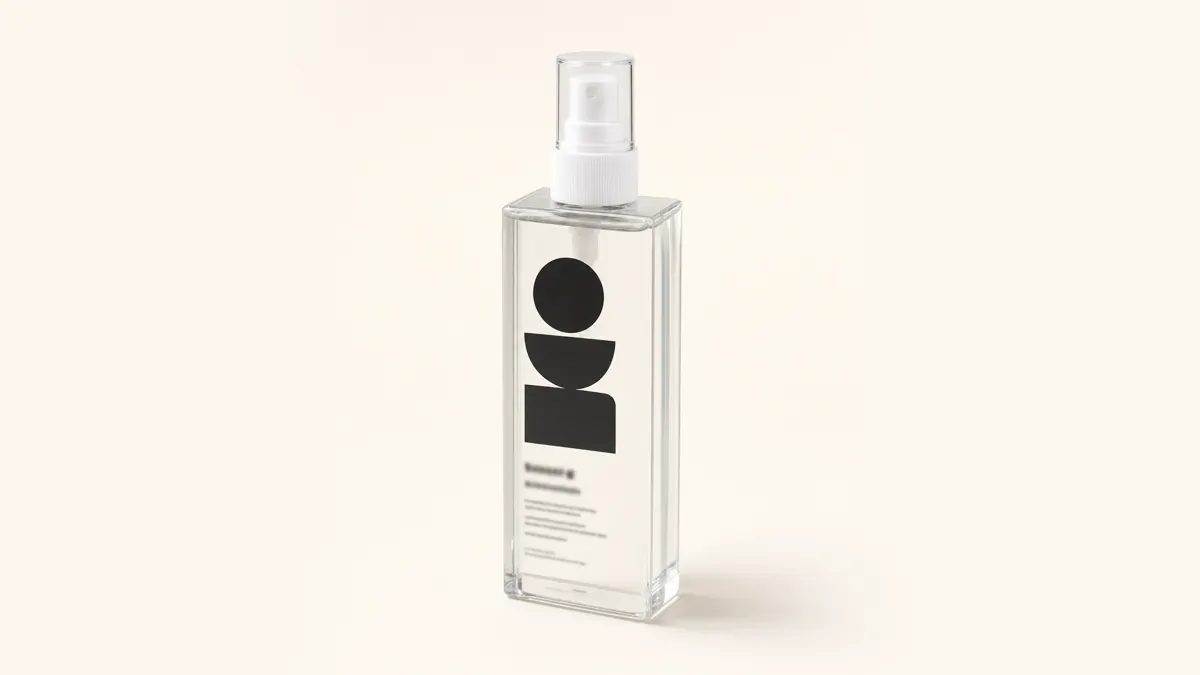
Heat protectants come in sprays, creams, serums and oils, and the best choice depends on your hair’s texture, thickness and what you’re trying to achieve. Lightweight sprays are popular for fine or oily hair because they don’t add weight or grease, and many can be used on both damp and dry hair. Creams and serums tend to be richer, which makes them a better fit for thick, coarse or curly hair that needs extra moisture and slip during styling.
Consider whether you style on damp hair (before blow-drying) or dry hair (before a flat iron or curling wand), or both. Some formulas are designed to work at either stage, which adds versatility if you refresh your style between washes or switch up your routine. If frizz in humidity is your main concern, look for products that specifically mention anti-humidity or waterproofing claims. If you have colour-treated hair, a formula with a UV filter may help guard against fade, though you should always check the product listing to see what’s included.
Finally, think about fragrance and finish. Some heat protectants have a strong scent that lingers, which can be a dealbreaker if you’re sensitive to fragrance. Others promise a glossy, sleek finish that works beautifully on straight styles but may feel too heavy on very fine hair. Reading the brand’s claims and checking what reviewers at trusted sources found will help you narrow down the right match.
How to apply a heat protectant correctly
Proper application makes all the difference. The American Academy of Dermatology recommends combing the product through evenly to ensure every section of hair is covered. For sprays, hold the bottle about six inches from your head and mist in sections, then use a wide-tooth comb or your fingers to distribute it from roots to ends. For creams or serums, warm a small amount between your palms and work it through damp or dry hair, depending on the product’s directions.
Always follow the specific instructions on the label. Some formulas need to be applied to damp hair before blow-drying, while others are designed for dry hair just before you use a flat iron or curling iron. If you apply too much, your hair may feel greasy or coated, and if you apply too little, you won’t get adequate coverage. Start with a modest amount—you can always add more on the next pass if needed—and make sure the product is evenly distributed before you turn on your hot tool.
Common mistakes to avoid
One of the most common mistakes is skipping the heat protectant altogether, especially when you’re in a rush. Even a quick spritz is better than none. Another pitfall is applying the product unevenly or only to the top layer of hair, which leaves the underlayers vulnerable to damage. Take the time to section your hair and comb the protectant through thoroughly.
Using too high a temperature is another frequent error. A heat protectant helps, but it can’t compensate for a flat iron set at maximum heat every day. The AAD advises choosing low or medium heat settings and using heat tools less often. Don’t assume that because you’re using a protectant, you can safely turn the dial all the way up. Finally, some people apply heat protectant to soaking-wet hair and immediately start styling. Most products work best on towel-dried or damp hair, and using heat tools on very wet hair can cause steam damage. Check the product’s directions and let your hair dry to the right level of dampness before you begin.
Quick checklist before you buy
Before you choose a heat protectant, run through this checklist to make sure the formula matches your needs:
Hair type and texture: Fine hair benefits from lightweight sprays; thick or curly hair often needs richer creams or serums.
Styling routine: Decide whether you need protection on damp hair (before blow-drying), dry hair (before flat irons or curling wands) or both.
Extra benefits: Look for anti-humidity claims if you battle frizz, UV filters if you have colour-treated hair, or shine-boosting ingredients if your hair looks dull.
Fragrance sensitivity: Check reviews or the product listing if strong scents are a concern for you.
Finish and weight: Consider whether you want a glossy, sleek finish or a lighter, more natural feel.
Application format: Sprays are quick and easy; creams and serums offer more control and moisture.
Price level: Decide what fits your budget—options range from drugstore to luxury.
Maintaining healthy hair beyond heat protection
A heat protectant is one piece of a broader hair-care routine. The American Academy of Dermatology recommends limiting how often you use flat irons and curling irons, and always using heat tools on dry (not soaking-wet) hair. Between heat-styling sessions, give your hair a break with air-drying or heatless styles, and use conditioning treatments to help repair any dryness or brittleness.
If you’re dealing with frizz, dryness or damage, our guide to the best products for dry, frizzy hair offers more targeted recommendations. And if you’re shopping for a gift, check out our roundup of hair-care and hair-accessory gifts for ideas. For all our hair guides and reviews, visit the category page or learn more about how we choose products.
Products worth considering
Color Wow Dream Coat Supernatural Spray
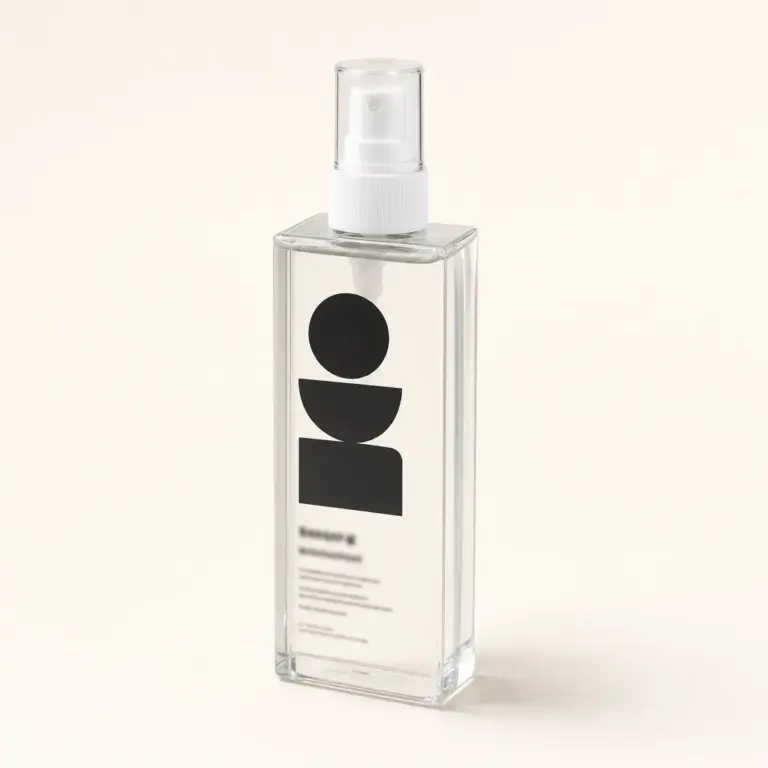
The Color Wow Dream Coat Supernatural Spray is designed for anyone battling frizz in humid climates and looking for a smooth, glossy blowout that lasts. Allure’s reviewers named it Best for Long-Lasting Protection in 2026, noting that it defends against heat and creates a humidity-proof barrier. According to the listing, the formula lasts up to three shampoos and includes a UV filter to help guard against colour fade. It’s a strong choice if you want a sleek, polished finish, though very fine hair may find the coating too heavy. This is a mid-range option, typically about $35 to $50.
Moroccanoil Perfect Defense Heat Protectant
The Moroccanoil Perfect Defense Heat Protectant suits everyday heat styling and works on both damp and dry hair, making it versatile if you blow-dry, flat-iron or refresh second-day styles. According to the listing, it’s formulated to protect from heat up to 450°F/230°C and is designed for all hair types and hot tools. Allure’s reviewers appreciated that the argan oil brings shine whether you’re using it on wet hair or refreshing third-day hair. The formula is lightweight with no hold, so it won’t weigh hair down, though the fragrance may be strong for sensitive users. It’s typically about $15 to $25. For a side-by-side look, see our Color Wow Dream Coat vs Moroccanoil Perfect Defense comparison.
Color Wow
Color Wow Dream Coat Supernatural Spray Review
Best for Frizz-prone hair in humid weather; sleek blowouts
A heat-protectant spray designed to smooth texture and create a humidity-proof finish for sleek blowouts.
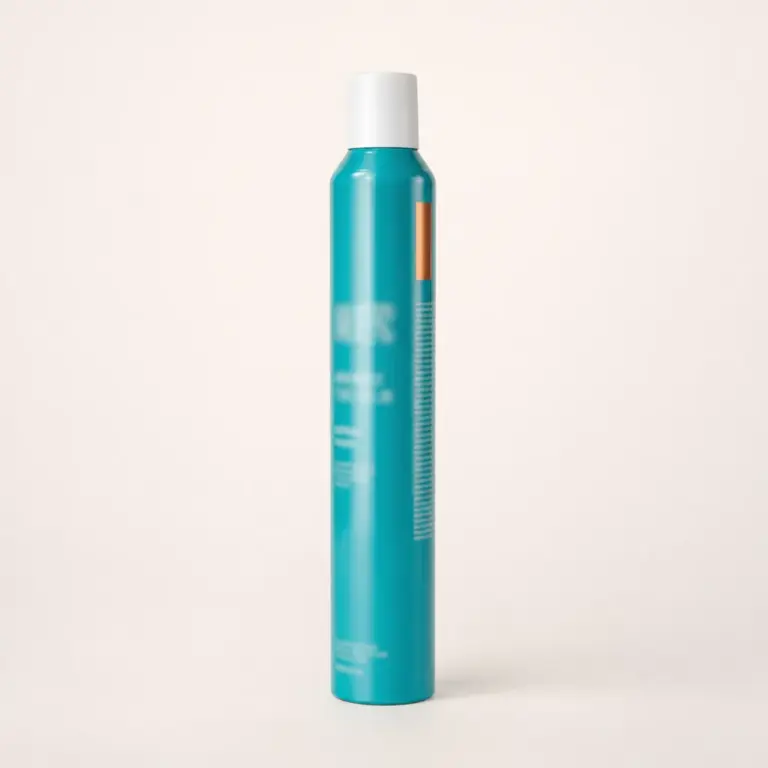
Moroccanoil
Moroccanoil Perfect Defense Heat Protectant
Best for Everyday heat styling and adding shine
A lightweight heat protectant with argan oil that works on wet or dry hair for everyday styling.
As an Amazon Associate I earn from qualifying purchases. How we make money
Frequently asked questions
Do I really need a heat protectant if I only use heat tools once a week?
Yes. Even occasional heat styling can cause cumulative damage over time, and a heat protectant helps reduce that risk. The American Academy of Dermatology recommends using a protectant whenever you use blow-dryers, flat irons or curling irons, and pairing it with low or medium heat settings for the best protection.
Can I use a heat protectant on dry hair, or does it have to go on damp hair?
It depends on the product. Some heat protectants are designed to work on damp hair before blow-drying, while others can be applied to dry hair just before you use a flat iron or curling wand. Many formulas work at both stages. Always check the product’s directions to see when and how to apply it for the best results.
Will a heat protectant make my fine hair feel greasy or heavy?
It can, depending on the formula. Lightweight sprays are usually a better fit for fine hair because they don’t add weight or a heavy coating. Richer creams and serums are designed for thick or coarse hair that needs extra moisture. If you have fine hair, look for products described as weightless or no-hold, and start with a small amount to see how your hair responds.
Does a heat protectant actually repair heat damage that’s already happened?
No. A heat protectant reduces future damage by creating a barrier between your hair and high temperatures, but it won’t reverse damage that’s already occurred. If your hair is already dry, brittle or broken from heat styling, you’ll need conditioning treatments and trims to help restore it, and you should lower the temperature on your tools and use them less often going forward.