Souper Cubes vs Freezer Bags: Best Way to Freeze Soup and Leftovers
Last updated: October 8, 2026
Cali's Cart is reader-supported. When you buy through our links we may earn a commission, at no extra cost to you. As an Amazon Associate I earn from qualifying purchases. Learn more
Freezing soup, stock and batch-cooked meals saves time and money, but the method you choose affects how much freezer space you need, how quickly you can stack portions, and whether you’re buying supplies every few months or investing once. Souper Cubes 1-Cup Freezer Trays (2-Pack) and Ziploc Medium Stand-Up Freezer Bags (72 Count) represent two common approaches: reusable silicone portion trays that freeze soup into tidy blocks, and disposable plastic bags that freeze flat against a baking sheet. Both work, but they suit different freezer layouts, batch sizes and shopping habits.
We researched independent coverage, listing details and real-world use to compare design, freezer footprint, upkeep and long-term cost. If you’re organizing a small freezer drawer, meal-prepping in bulk or trying to cut down on single-use plastic, this guide breaks down what each option delivers and where each one falls short. For more freezer and food storage strategies, see our Glass vs Plastic Food Storage, Plus Smart Freezing Tips guide.
In short
- Souper Cubes 1-Cup Trays freeze soup in neat, stackable blocks with secure lids; Ziploc bags freeze flat and take less initial space
- Silicone trays are reusable but occupy freezer space until you pop out the blocks; bags are single-use and require ongoing replacement
- America’s Test Kitchen found the Souper Cubes line sturdy and easy to use, though regular containers can also do the job
| Feature | Souper Cubes 1-Cup Freezer Trays (2-Pack) | Ziploc Medium Stand-Up Freezer Bags (72 Count) |
|---|---|---|
| Brand | Souper Cubes | Ziploc |
| Best for | Portioning soup, stock, sauce and baby food for freezing | Freezing soups, stews, marinades and portioned leftovers |
| Not ideal for | Solid casseroles or dishes that don't freeze in blocks | Long-term reusable storage or reducing single-use plastic |
| Price | $$ Mid-range price tierAbout $30 to $45 (varies by colour and size)Typical range, Oct 2026 | $$ Mid-range price tierAbout $12 to $20Typical range, Oct 2026 |
| Key features |
|
|
| Where to buy | Check Price | Check Price |
Swipe sideways to see every product.
As an Amazon Associate I earn from qualifying purchases. How we make money
Design and Materials
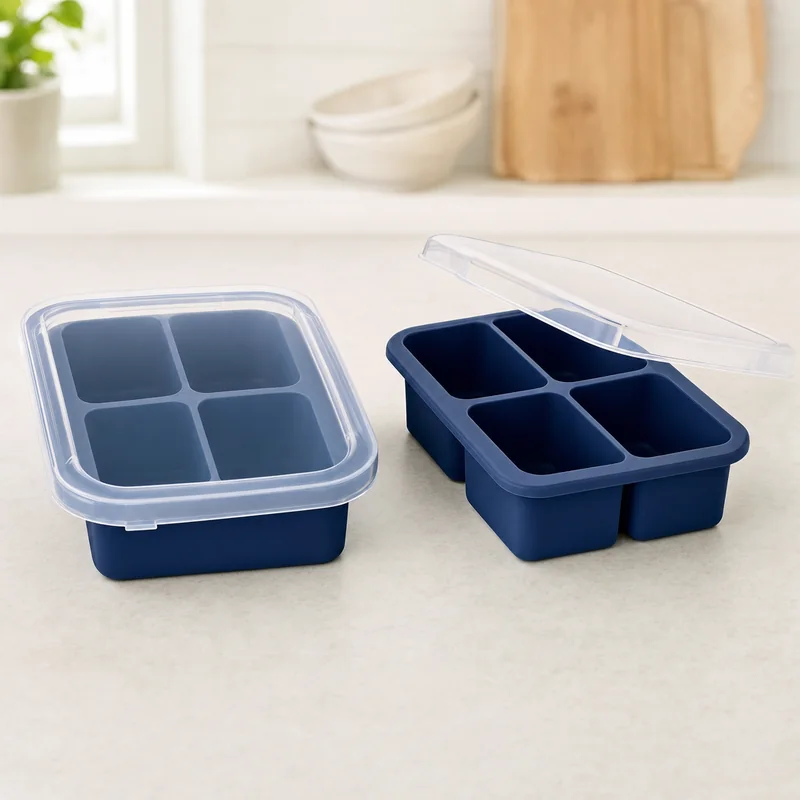
The Souper Cubes trays are made from platinum-cured silicone with a steel-reinforced rim, according to the listing. Each tray holds four 1-cup portions, and the set includes two trays with secure-fitting lids. The steel rim adds rigidity so the tray doesn’t buckle when you carry it full of liquid to the freezer. America’s Test Kitchen tested the 2-cup size (not this 1-cup version) and found the design sturdy and easy to fill thanks to measurement markings; the testers called it a clever solution, though they noted that regular containers can do the job as well. The tray is oven safe, but the lid is not, so you can’t reheat directly in the tray with the lid on. The listing says the trays and lids are dishwasher safe. This set is sold by a third-party seller on Amazon.ca, so check the seller details on the listing.
Ziploc’s medium stand-up freezer bags are made from BPA-free plastic, according to the listing. The brand says the bags feature a patented stand-up bottom and a stay-open design that supports the bag while you ladle in soup or stew. A double zipper closure seals the top. These are single-use bags: you fill, freeze, thaw and discard them, then reach for a new one from the box. The listing describes them as suitable for freezer and refrigerator use. We did not find independent testing or expert coverage of this product, so we’re relying on the listing’s claims.
Size, Space and Setup
The Souper Cubes trays measure 29.8 by 15.2 by 13.3 centimetres, and each tray holds four 1-cup portions. You’ll need enough flat freezer space to hold both trays while the soup freezes solid—typically overnight. Once frozen, you pop out the blocks and transfer them to a freezer bag or container (America’s Test Kitchen recommends this method to save space). The blocks stack neatly, and you can label the storage bag with the date and contents. Measure your freezer shelves or drawer to confirm the trays will fit flat; if your freezer is packed, you may need to clear a shelf temporarily.
The Ziploc bags stand upright for filling, then you lay them flat on a baking sheet or directly on a freezer shelf to freeze. Once frozen flat, the bags stack like books, taking up minimal vertical space. The medium size suits single or double servings of soup; for family-size batches, you may need multiple bags. The stand-up bottom and stay-open design (according to the brand) make it easier to pour or ladle without a second pair of hands, but you still need to support the bag as you fill it. Check the dimensions of your freezer drawer or shelf to see how many flat bags you can stack at once.
How Each Suits Different Homes and Needs
Souper Cubes work well if you batch-cook soup, stock, tomato sauce or baby food regularly and want uniform portions that stack and thaw predictably. The 1-cup size suits single servings or recipe add-ins (a cup of stock for risotto, a cup of marinara for pasta). Because the trays are reusable, you avoid the ongoing cost and waste of buying boxes of bags. The steel-reinforced rim and secure lids mean less risk of spills on the way to the freezer, and the measurement markings help you fill each cup evenly. The main trade-off is freezer real estate: until you pop out the blocks, the trays occupy a full shelf. If you have a small freezer or freeze infrequently, that space commitment may not make sense. The trays also suit households trying to reduce single-use plastic in the kitchen.
Ziploc bags suit occasional freezers, renters with tiny freezer drawers, and anyone who values the flexibility to freeze any amount without committing shelf space to a tray. You can freeze a single serving or a quart, and the flat-freeze method maximizes vertical stacking. The bags are lightweight and disposable, so there’s no washing or storage between uses. The downside is the ongoing cost of replacing boxes and the environmental impact of single-use plastic. The bags also require careful sealing to prevent freezer burn, and overfilled bags can be awkward to stack. If you freeze soup once or twice a month and prefer not to store bulky trays, bags offer a low-commitment option. For more meal-prep ideas, see our guides by category.
Care, Upkeep and Value
The Souper Cubes trays and lids are dishwasher safe, according to the listing, and America’s Test Kitchen reported that the 2-cup tray cleaned without holding scent or stains. After each use, you wash the tray and lid, dry them and store them until the next batch. The silicone is flexible, so the trays nest somewhat but still take up cupboard or drawer space. The listing does not specify a warranty, so check the product page for any coverage details. Over time, the upfront cost of the trays may pay off if you freeze regularly, since you’re not buying new bags every few weeks. The trays are best for liquids and semi-liquids (soup, stock, purée, chili); solid casseroles or dishes that don’t freeze in neat blocks are harder to portion this way.
Ziploc bags require no cleaning—you use them once and discard them—but you’ll need to restock the box regularly. The 72-count pack lasts longer if you freeze infrequently, but heavy meal-preppers may go through a box in a month or two. The bags themselves are lightweight and store flat in a drawer or cupboard. To prevent freezer burn, press out as much air as possible before sealing, and label each bag with the contents and date using a permanent marker. The listing does not mention a warranty, so check the listing if you have questions. For long-term value, compare the cost of replacing bags over a year with the one-time purchase of reusable trays, factoring in your freezer habits and available storage space. See our Best Food Storage Containers and Freezer Helpers for more options.
Choose the Souper Cubes 1-Cup Freezer Trays (2-Pack) if you
- You batch-cook soup, stock or sauce weekly and want uniform, stackable portions
- You have freezer shelf space to hold trays flat overnight while the blocks freeze
- You prefer reusable silicone over single-use plastic and don’t mind washing trays between batches
- You value the steel-reinforced rim and secure lids for carrying full trays without spills
- You’re organizing a soup-season or meal-prep routine and want measurement markings for consistent portioning
Choose the Ziploc Medium Stand-Up Freezer Bags (72 Count) if you
- You freeze soup or leftovers occasionally and don’t want to store bulky trays between uses
- Your freezer is small or packed, and flat-stacking bags maximize the space you have
- You prefer the convenience of single-use bags with no washing or drying required
- You freeze varying amounts (sometimes a cup, sometimes a quart) and want flexibility in portion size
- You’re renting or moving soon and prefer lightweight, disposable supplies
Our verdict
We chose the Souper Cubes 1-Cup Freezer Trays as the better option for home cooks who batch-cook soup, stock or sauce regularly and want a reusable, organized system. America’s Test Kitchen found the Souper Cubes line (testing the 2-cup size) sturdy, easy to fill and effective at saving freezer space once you pop out the blocks, and the steel-reinforced rim and secure lids reduce the risk of spills. The trays deliver uniform portions, stack neatly after freezing, and eliminate the ongoing cost and waste of buying boxes of bags. The main trade-off is the freezer space the trays occupy until the blocks are solid, but if you have a shelf to spare and freeze weekly, the convenience and long-term value outweigh that temporary footprint.
That said, Ziploc bags are the better choice if you freeze infrequently, have a tiny freezer drawer, or prefer the flexibility to freeze any amount without committing to a tray. The flat-freeze method maximizes vertical stacking, and the bags require no washing or storage between uses. If you’re still deciding on your freezer strategy, ask yourself how often you batch-cook, how much shelf space you can dedicate to trays, and whether you’re willing to wash reusable containers. For more guidance on organizing your pantry and freezer, see how we choose products.
Our pick for regular batch cooking
Illustration, not the actual product
Souper Cubes
Souper Cubes 1-Cup Freezer Trays (2-Pack)
Silicone freezer trays that portion soup, stock and sauce into 1-cup blocks with a steel-reinforced rim and secure lids.
Best for Portioning soup, stock, sauce and baby food for freezing
Pros
- Steel-reinforced rim for stability
- Secure-fitting lids
- Dishwasher safe per the maker
- Oven-safe tray (lid not oven safe)
- Measurement markings for easy filling
Cons
- Lid not oven safe
- Takes up freezer space until you pop out the blocks
- Sold by a third-party seller (check the listing)
As an Amazon Associate I earn from qualifying purchases. How we make money
Frequently asked questions
Can I reheat soup directly in the Souper Cubes tray?
The tray is oven safe, but the lid is not, according to the listing. You can reheat a frozen block in the tray without the lid, or pop the block out and reheat it in a pot or microwave-safe bowl. Check the listing for any temperature limits.
How do I prevent freezer burn when using Ziploc bags?
Press out as much air as possible before sealing the double zipper, and lay the bag flat on a baking sheet to freeze. Once solid, stack the bags like books. Label each bag with the contents and date using a permanent marker, and use the soup within a few months for best quality.
Do the Souper Cubes blocks pop out easily once frozen?
America’s Test Kitchen found that the blocks released easily from the 2-cup tray (not this 1-cup size). The flexible silicone and steel rim help you twist and push the blocks out. If a block sticks, let the tray sit at room temperature for a minute or run the bottom briefly under cool water.
Can I use Ziploc freezer bags for liquids other than soup?
Yes, the listing describes the bags as suitable for soups, stews and marinades. The stand-up bottom and double zipper help contain liquids, but fill carefully and seal tightly to prevent leaks. Freeze the bags flat for easier stacking.