How to Choose a Detangling Brush for Your Hair Type
Last updated: October 7, 2026
Cali's Cart is reader-supported. When you buy through our links we may earn a commission, at no extra cost to you. As an Amazon Associate I earn from qualifying purchases. Learn more
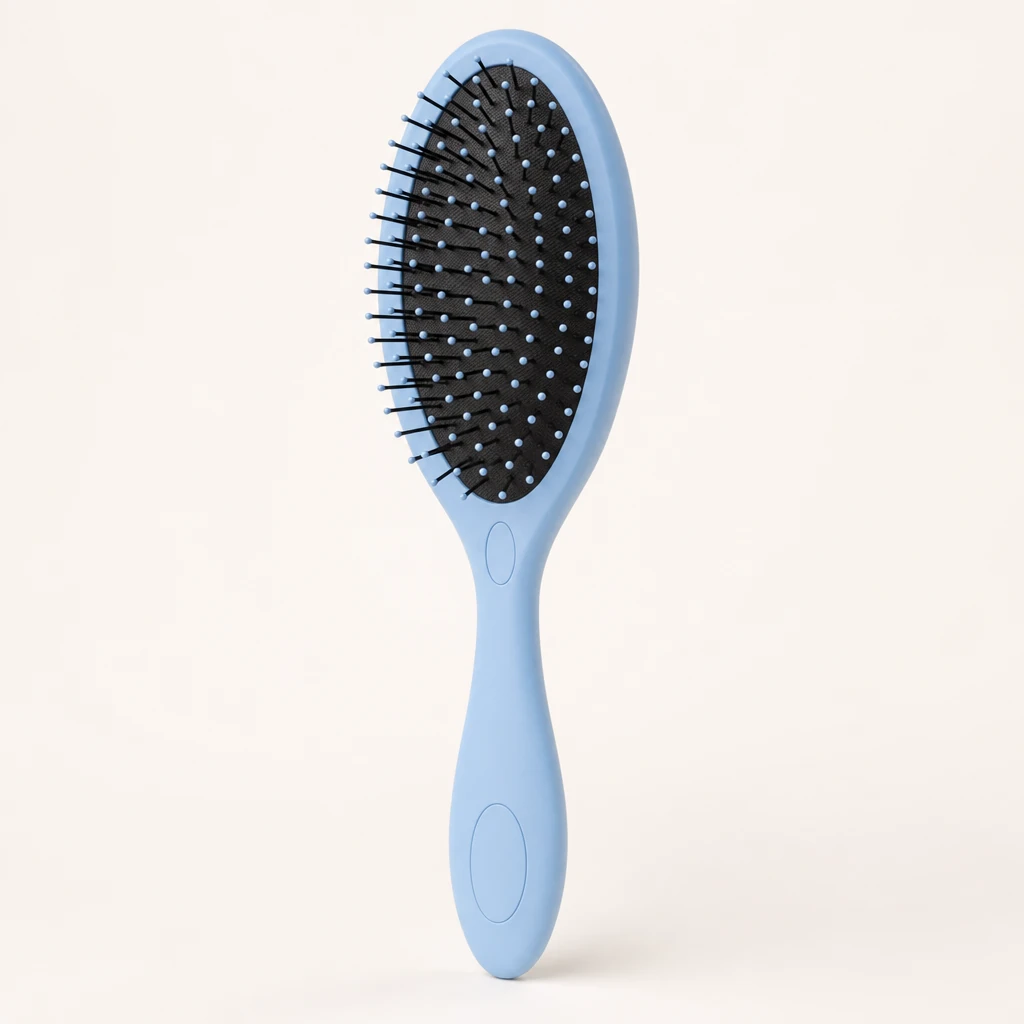
Choosing the right detangling brush can make the difference between a quick, painless routine and a frustrating tug-of-war with your hair. The best brush for you depends on your hair type, texture, and whether you’re working with wet or dry strands. Flexible or two-level bristles tend to glide through knots with less pulling, while the wrong tool can lead to breakage, especially on fragile or colour-treated hair.
In this guide, we’ll walk you through what to look for in a detangling brush, how different bristle designs work, and which features suit fine, thick, curly or straight hair. We’ve researched expert reviews and product specifications to help you make an informed choice. For more guidance on hair tools and accessories, visit our dedicated category page.
In short
- Flexible or two-tier bristles glide through knots with less pulling than rigid bristles
- Wet hair is more fragile—detangle gently starting at the ends and working up to the roots
- Fine and fragile hair benefits from gentler, flexible teeth; thick hair needs sturdier bristles
- Curly and coily hair is often best detangled while damp with conditioner using a wide-tooth comb or specialized tool
Understanding bristle flexibility and design
The key to effective detangling lies in how the bristles respond to resistance. Flexible or two-level bristles bend and flex when they encounter a knot, reducing the force on each strand and minimizing pulling. This design allows the brush to work through tangles without yanking hair out at the root, which is especially important for wet hair when strands are at their most fragile.
Two-tier bristle systems feature longer and shorter teeth that work together: the longer bristles reach through the hair to separate larger tangles, while the shorter ones smooth the surface. This layered approach distributes tension more evenly than a single-length bristle field. When shopping, look for product descriptions that mention flexible, IntelliFlex, or two-tier teeth if you want a gentler detangling experience.
Matching brush type to your hair texture
Fine, fragile or colour-treated hair needs a gentler touch. Brushes with two-tier flexible teeth are designed to reduce tugging, making them a good match if your hair is prone to breakage or feels delicate. The Tangle Teezer The Ultimate Detangler is designed for people with fine, fragile or colour-treated hair who need a gentler approach. Based on our research, editors and testers at Allure describe it as gentler with less tugging on fine, fragile or damaged hair, and the two-tier flexible teeth and ergonomic handle make it easier to work through knots without pulling.
Thick, dense or coarse hair can handle—and often benefits from—sturdier bristles that provide more grip and tension. The Wet Brush Original Detangler is designed to glide through wet or dry hair using flexible IntelliFlex bristles that bend and flex to reduce pulling. It’s marketed for all hair types, and reviewers at Who What Wear and others praise the Original model for wet hair. However, those with tight coils may prefer a wide-tooth comb, as this brush may not provide the spacing needed for very textured hair.
Wet versus dry detangling
Wet hair is more fragile than dry hair, so the way you detangle matters. If you brush wet hair, start at the ends and work your way up to the roots in small sections to avoid putting stress on the entire length at once. Look for brushes specifically designed for wet use, with flexible bristles that won’t snap fragile strands. Many detangling brushes are marketed for both wet and dry hair, but always check the product listing to confirm.
Curly and coily hair is often detangled while damp with conditioner rather than bone-dry, as the slip from conditioner helps prevent breakage. Straight and fine hair may snap if brushed too roughly when wet, so a gentler tool is essential. If you have curly or textured hair, a wide-tooth comb is a good companion tool to use in the shower, and you may want a brush designed specifically for curls rather than a general-purpose detangler.
Handle design and ease of use
An ergonomic handle makes a real difference if you’re detangling thick or long hair that takes time to work through. Look for a handle that fits comfortably in your hand and provides enough grip to control the brush without straining your wrist. Some detangling brushes feature a contoured or rubberized handle, while others have a simpler paddle shape.
The size and weight of the brush also matter. A lightweight brush is easier to manoeuvre and less tiring if you’re detangling daily, but it should still feel sturdy enough to work through knots without flexing or bending. If you’re buying for a child or someone with limited hand strength, a smaller, lighter brush with a comfortable grip will be easier to use.
Common mistakes to avoid
One of the biggest mistakes is brushing from the roots down, which pushes tangles toward the ends and creates larger knots. Always start at the ends and work your way up in small sections, holding the hair above the section you’re working on to reduce tension on the scalp. This technique is especially important for wet or fragile hair.
Another common error is using the same brush for every hair type in the household. A brush designed for fine, straight hair won’t have the grip or spacing needed for thick, curly or coily hair, and vice versa. If you’re shopping for a family, consider whether one brush will truly suit everyone or if you need more than one style. Also, remember to clean your brushes regularly by removing hair and washing the bristles, as buildup can reduce effectiveness and harbour bacteria.
Quick checklist before you buy
Before you add a detangling brush to your cart, run through this checklist to make sure it’s the right fit for your needs:
- Bristle flexibility: Does the brush have flexible or two-tier bristles that bend to reduce pulling?
- Hair type match: Is it designed for your texture—fine and fragile, thick and coarse, or curly?
- Wet or dry use: Does the product listing confirm it works for how you plan to use it?
- Handle comfort: Is the handle ergonomic and easy to grip for the length of time you’ll be detangling?
- Spacing: If you have curly or coily hair, does the brush provide enough spacing, or would a wide-tooth comb be better?
- Price point: Does it fit your budget, and is it available in Canada? For more help comparing options, visit our hair brushes category page or read our detailed comparison of the Wet Brush Original vs Tangle Teezer Ultimate Detangler.
Products worth considering
Wet Brush Original Detangler
The Wet Brush Original Detangler is designed to glide through wet or dry hair using flexible IntelliFlex bristles that bend and flex to reduce pulling. It’s marketed for all hair types and is typically about $15 to $25 at Amazon.ca when we checked on October 7, 2026. Reviewers at Who What Wear and others praise the Original model for wet hair, making it a practical choice for families or anyone with thick hair who needs fast wet detangling. However, it may not suit those with tight coils who prefer a wide-tooth comb, as the bristle spacing may not be ideal for very textured hair. For more details, visit the Wet Brush Original Detangler review page.
Tangle Teezer The Ultimate Detangler
The Tangle Teezer Ultimate Detangler is designed for people with fine, fragile or colour-treated hair who need a gentler approach to detangling. Based on our research, editors and testers at Allure describe it as gentler with less tugging on fine, fragile or damaged hair. The two-tier flexible teeth and ergonomic handle make it easier to work through knots without pulling, and it’s typically about $20 to $25 at Amazon.ca when we checked. Keep in mind that this is the ‘straight to wavy’ version, so it may not provide enough grip for very thick or curly hair—a separate Curly version exists for those textures. For more information, see the Tangle Teezer The Ultimate Detangler review page.
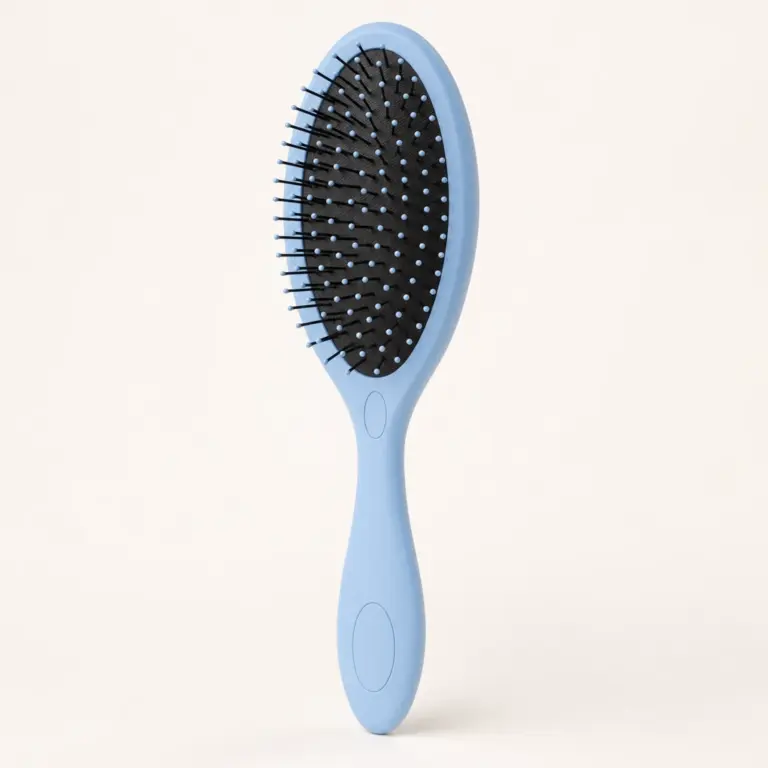
Wet Brush
Wet Brush Original Detangler
Best for Families, thick hair, fast wet detangling
A flexible-bristle brush designed to detangle wet or dry hair with less pulling and breakage.
Tangle Teezer
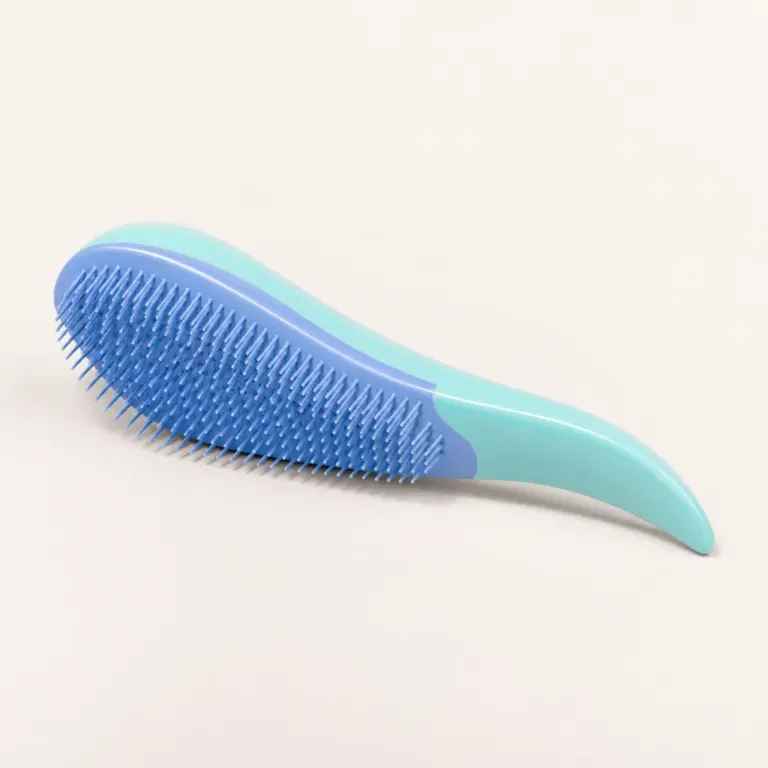
Tangle Teezer The Ultimate Detangler
Best for Fine, fragile, or colour-treated hair
A gentle detangling brush with two-tier flexible teeth designed for fine, fragile or colour-treated hair.
As an Amazon Associate I earn from qualifying purchases. How we make money
Frequently asked questions
What’s the difference between a detangling brush and a regular brush?
A detangling brush typically features flexible or two-tier bristles designed to bend and flex when they encounter knots, reducing pulling and breakage. Regular brushes often have stiffer, uniform bristles that can snag on tangles and put more stress on the hair shaft, especially when hair is wet or fragile.
Can I use a detangling brush on wet hair?
Many detangling brushes are designed for wet or dry use, but always check the product listing to confirm. Wet hair is more fragile, so if you detangle while wet, start at the ends and work your way up gently. Look for brushes with flexible bristles that won’t snap delicate strands.
How do I clean my detangling brush?
Remove loose hair from the bristles after each use, then wash the brush regularly with warm water and a gentle shampoo or soap. Rinse thoroughly and let it air dry with the bristles facing down. Regular cleaning prevents buildup and keeps the brush hygienic and effective.
Do I need a different brush for curly or coily hair?
Curly and coily hair is often best detangled while damp with conditioner, and many people with these textures prefer a wide-tooth comb or a brush specifically designed for curls. General detangling brushes may not provide the spacing or grip needed for very textured hair, so check whether the product is designed for your curl pattern before buying.