Bond-Repair Hair Treatments Explained
Last updated: October 7, 2026
Cali's Cart is reader-supported. When you buy through our links we may earn a commission, at no extra cost to you. As an Amazon Associate I earn from qualifying purchases. Learn more
If you’ve ever bleached, coloured, or heat-styled your hair regularly, you’ve probably heard the term ‘bond-repair’ or ‘bond-building’ treatments. These products have become a staple in hair care, with makers saying they help with the bonds inside the hair shaft that can break down from chemical services, heat tools, and everyday wear. The promise sounds appealing: a treatment that helps strengthen compromised hair from the inside out. But what exactly are these bonds, how do these treatments work, and do you actually need one?
The short answer is that bond-repair treatments are designed to help reinforce the structural connections in your hair that can weaken or break when you bleach, colour, straighten, or otherwise chemically treat it. They don’t make damage disappear permanently, and they work best as part of a broader strategy that includes gentler habits—less frequent heat styling, a good heat protectant, careful brushing, and regular trims. In this guide, we’ll walk through what bond-repair treatments are, how to use them, what to expect, and how to decide if one belongs in your routine.
In short
- Bond-repair treatments are products designed to help strengthen hair bonds that can break from bleaching, colouring, heat styling, and chemical services.
- They work alongside gentler habits like reducing heat, using protectants, and regular trims—they don’t make damage disappear permanently.
- Results vary by product and hair condition; follow the product directions and be patient with the process.
- Professional versions are sometimes used by colourists during chemical services; at-home versions fit into your regular wash routine.
What are hair bonds and why do they matter?
Your hair is made up of a protein called keratin, and within each strand are different types of chemical bonds that hold the structure together. The strongest of these are disulfide bonds, which link sulfur atoms in the protein chains. When you bleach your hair, use a relaxer, get a perm, or apply high heat repeatedly, these bonds can break. Once broken, the hair becomes weaker, more porous, and prone to breakage, frizz, and dullness.
Bond-repair treatments are formulated to help address this breakdown. The makers say these products work by helping to reconnect or reinforce broken bonds, or by protecting existing bonds from further damage. The science varies by brand and ingredient, and results depend on your hair’s condition and how you use the product. It’s important to understand that these treatments are cosmetic—they help improve the feel and appearance of your hair, but they don’t heal or cure damage in a permanent, medical sense.
How bond-repair treatments work
Most bond-repair treatments are applied before or after shampooing, left on for a set amount of time, and then rinsed out. Some are designed as pre-shampoo treatments, while others work as leave-in products or styling aids. The active ingredients vary, but many formulas are built around proprietary complexes that the brands say target broken bonds or help protect intact ones.
Professional colourists sometimes use salon-strength versions of these treatments during bleaching or colouring services to help minimize damage as it happens. At-home versions are typically less concentrated but are designed to fit into your regular wash routine. Follow the product directions carefully—using more than recommended or leaving it on longer than instructed won’t speed up results and may leave your hair feeling coated or limp. Be patient: you may need several applications before you notice a difference in texture, strength, or manageability.
Who should consider a bond-repair treatment?
Bond-repair treatments are best suited to hair that’s been compromised by chemical services or heat. If you regularly bleach or colour your hair, use a flat iron or curling wand daily, or have had a keratin treatment, relaxer, or perm, a bond-building product may help improve the feel and resilience of your strands. You might notice your hair feels stronger, smoother, or less prone to snapping when you brush it.
On the other hand, if your hair is healthy, undamaged, and hasn’t been chemically treated, you’ll likely see little benefit from a bond-repair treatment. These products are designed to address specific structural weaknesses, so if your hair doesn’t have those issues, the treatment may feel unnecessary or even leave your hair feeling heavy. In that case, a regular hair treatment focused on moisture or shine may be a better fit.
Common mistakes to avoid
One of the biggest mistakes is expecting instant results. Bond-repair treatments help gradually, and you may need to use the product consistently over several weeks to see a noticeable improvement. Another common error is overusing the treatment—more isn’t better. If you use it too often or leave it on too long, your hair can become overloaded with protein or other active ingredients, leading to stiffness, dryness, or breakage.
It’s also important not to rely on a bond-repair treatment alone. These products work best alongside gentler hair habits: turn down the heat on your styling tools, use a heat protectant every time, avoid tight hairstyles that stress the hair, and get regular trims to remove split ends. Finally, don’t assume all bond-repair treatments are the same. Some are protein-free, some are colour-safe, and some are designed for specific hair types. Check the product listing and reviews to make sure it matches your needs.
How to use a bond-repair treatment
Start by reading the product directions—application methods vary. Many bond-repair treatments are applied to damp, towel-dried hair before you shampoo. You work the product through from roots to ends, leave it on for the recommended time (often 10 to 20 minutes), and then rinse thoroughly before shampooing and conditioning as usual. Some treatments are used after shampooing instead, so follow the specific instructions on your product.
For best results, use the treatment once or twice a week, or as the brand recommends. Pay attention to how your hair responds: if it starts to feel stiff, brittle, or straw-like, you may be overdoing it. In that case, cut back to once every two weeks and add a moisturizing mask or conditioner to your routine. Remember, bond-repair treatments are one tool in your hair-care toolkit—they work best when combined with protective styling, lower heat settings, and regular trims.
Quick checklist before you buy
Before you invest in a bond-repair treatment, consider the following:
<ul><li>Is your hair chemically treated, bleached, coloured, or heat-damaged? If not, you may not need a bond-repair product.</li><li>Does the product fit your routine? Pre-shampoo treatments add time to your wash day, so make sure you’re willing to commit.</li><li>Is it colour-safe and protein-free (if those matter to you)? Check the listing for specifics.</li><li>Are you prepared to use it consistently over several weeks? Bond-repair treatments work gradually, not overnight.</li><li>Do you have a plan to pair it with gentler habits? Less heat, a heat protectant, and regular trims all support the treatment’s work.</li></ul>
If you’re curious about how we research and evaluate products, visit our how we choose products page. For more guides on hair care and beauty topics, check out our start here page.
Products worth considering
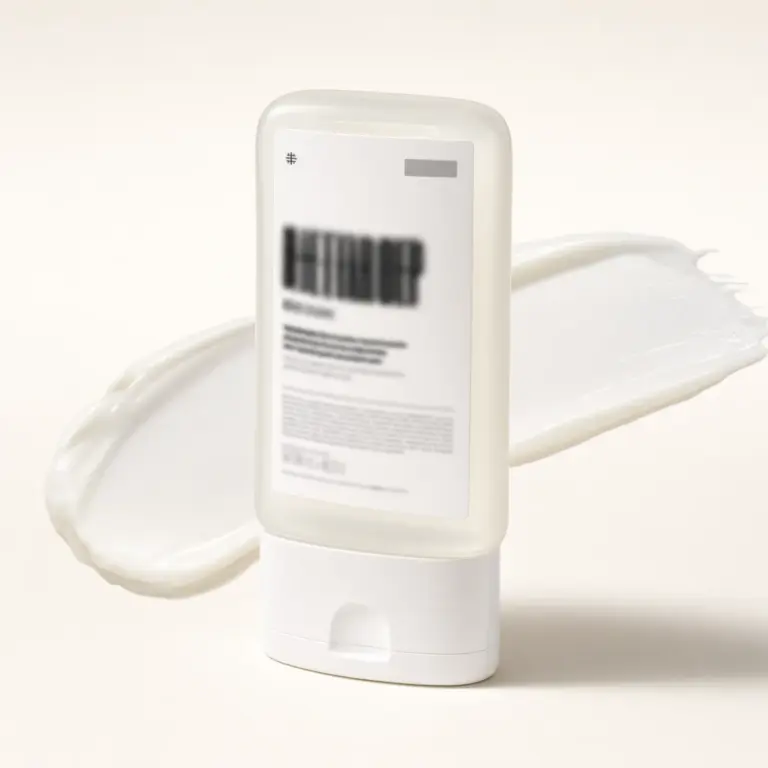
OLAPLEX No.3PLUS Hair Repair Pre-Shampoo Treatment
The OLAPLEX No.3PLUS Hair Repair Pre-Shampoo Treatment is a reformulated version of the brand’s well-known bond-building treatment, designed to help strengthen hair that’s been damaged by bleach, colour, or heat styling. According to Allure’s editors who tested the new formula in February 2026, the updated version is described as smarter, better, and faster than the original. It’s a rinse-out pre-shampoo treatment that’s protein-free and colour-safe per the listing, and it comes in a 100 mL size. This is a premium option—typically about $40 to $50—for those committed to helping improve compromised hair, though people with healthy, undamaged hair may see little benefit. The newer reformulation means less consumer feedback is available, but if you’re already familiar with the brand’s approach and want to try the updated formula, this fits easily into your wash routine.
OLAPLEX
OLAPLEX No.3PLUS Hair Repair Pre-Shampoo Treatment
Best for Bleached, coloured, heat- or chemically-damaged hair
A reformulated bond-building pre-shampoo treatment designed for bleached, coloured, or chemically damaged hair.
As an Amazon Associate I earn from qualifying purchases. How we make money
Frequently asked questions
Do bond-repair treatments work on all hair types?
Bond-repair treatments are designed to help with hair that’s been damaged by bleaching, colouring, heat styling, or chemical services. They may help improve the feel and strength of compromised hair, but results vary by product and individual hair condition. If your hair is healthy and undamaged, you’ll likely see little benefit. These treatments work best alongside gentler habits like reducing heat and using a heat protectant.
How often should I use a bond-repair treatment?
Follow the product directions—most bond-repair treatments are designed to be used once or twice a week. Using them more frequently won’t speed up results and may leave your hair feeling overloaded, stiff, or dry. Pay attention to how your hair responds and adjust the frequency as needed. If your hair starts to feel brittle, cut back and add a moisturizing mask to your routine.
Can I use a bond-repair treatment on colour-treated hair?
Many bond-repair treatments are colour-safe, but always check the product listing to be sure. Some formulas are specifically designed for bleached or coloured hair and won’t strip your colour. If you’re unsure, look for products that explicitly state they’re safe for colour-treated hair, and consider doing a strand test before applying it all over.
Will a bond-repair treatment fix split ends?
No. Once a hair strand splits, the only way to remove the split is to trim it off. Bond-repair treatments are designed to help strengthen the hair shaft and may help prevent future breakage, but they can’t fuse split ends back together permanently. Regular trims, gentler styling habits, and protective products all work together to help minimize splitting over time.