
The Ordinary Hyaluronic Acid 2% + B5 Review
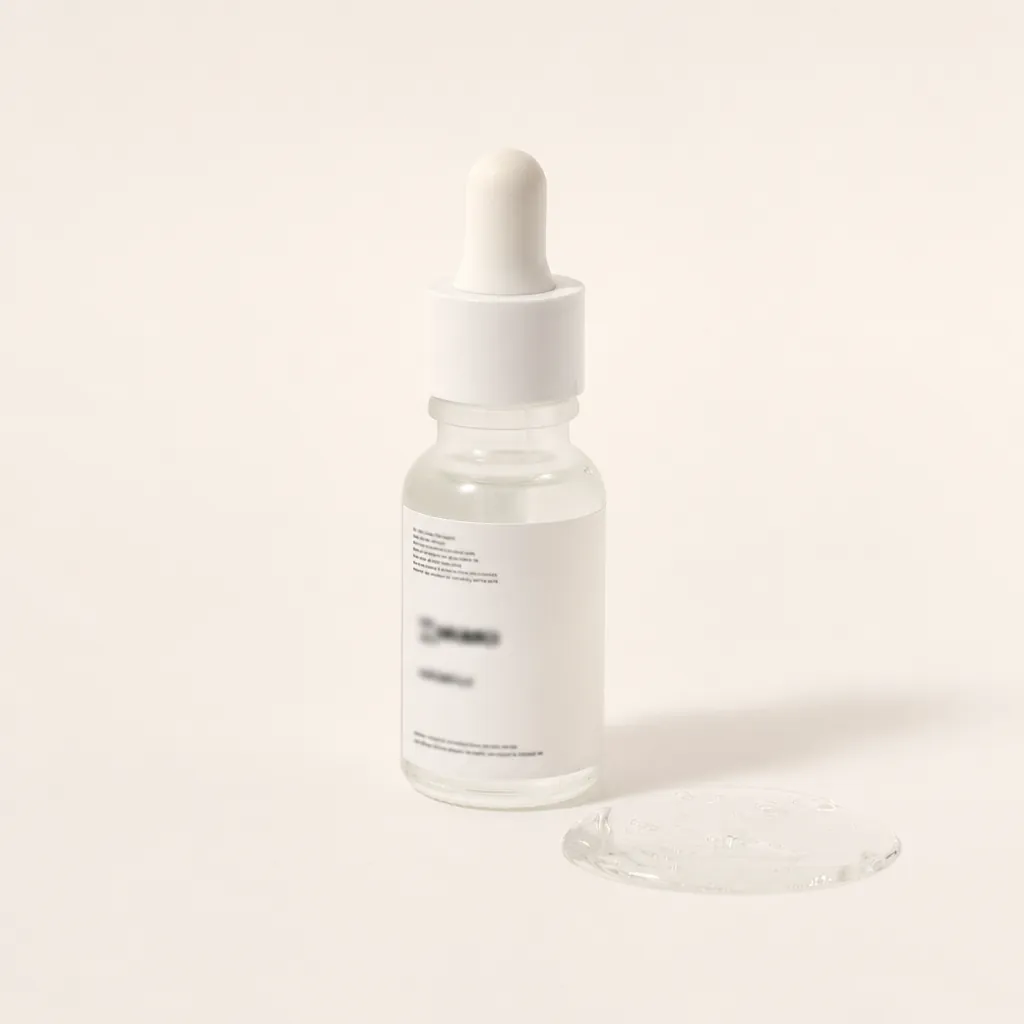
Illustration, not the actual product
The Ordinary
Quick verdict
The Ordinary Hyaluronic Acid 2% + B5 is a straightforward hydrating serum that delivers multi-depth moisture at a fraction of the cost of premium alternatives. Wirecutter's reviewers found it does a reliable skin-plumping job for less than a tenth of the price of pricier options. It's designed to layer under moisturizer rather than work as a stand-alone treatment, making it a practical choice for anyone building a basic skincare routine on a budget.
- Best for
- Dry or dehydrated skin on a budget
- Not ideal for
- Those wanting an all-in-one serum
As an Amazon Associate I earn from qualifying purchases. How we make money
Pros and cons
Pros
- Budget-friendly hydration
- Five types of hyaluronic acid for multi-layer moisture
- Includes ceramides to support the skin barrier
- Layers well under moisturizer
- Straightforward formulation
Cons
- Not an all-in-one treatment
- Requires a moisturizer on top to seal in hydration
- May feel tacky if applied too heavily
Key features
- Five types of hyaluronic acid
- Includes ceramides
- Contains pro-vitamin B5
- 30 ml bottle
| Size | 30 ml |
|---|---|
| Hyaluronic Acid Types | 5 |
| Key Ingredients | Hyaluronic Acid 2%, Pro-Vitamin B5, Ceramides |
Who should buy it?
This serum suits anyone with dry or dehydrated skin who wants to add a hydrating step to their routine without spending much. It's particularly useful for people new to serums who want to understand what hyaluronic acid does before investing in a premium product. If you're already using a good moisturizer and just need an extra moisture boost underneath, this is a practical choice.
Who shouldn't buy it?
If you're looking for a single product that hydrates, brightens, and addresses multiple concerns at once, this won't meet your needs. It's a dedicated hydrating serum that works best as part of a layered routine. People who prefer minimal steps or dislike the feel of multiple products may find it unnecessary if their moisturizer already provides enough hydration.
What This Serum Does
The Ordinary Hyaluronic Acid 2% + B5 is a hydrating serum designed to draw moisture into the skin and help it stay there. According to the listing, it uses five types of hyaluronic acid to deliver hydration to multiple layers of the skin, which is meant to improve moisture retention and create a plumper, smoother appearance. The brand also says the formula includes ceramides to support the skin’s protective barrier and pro-vitamin B5 to enhance moisture retention.
Hyaluronic acid is a humectant, meaning it attracts water from the environment and from deeper layers of skin to the surface. The idea behind using multiple molecular weights—as this formula does—is that smaller molecules can penetrate more deeply while larger ones sit on the surface to help lock moisture in. The listing claims the serum provides immediate, long-lasting hydration and minimizes the appearance of fine dry lines.
This is a straightforward hydrating serum focused on moisture rather than other active ingredients, so it’s designed to layer into a routine rather than replace other treatments. It’s typically about $10 to $20 at Amazon.ca when we checked on October 7, 2026, making it one of the more accessible options in the skincare category.
What the Research and Reviews Say
Wirecutter’s reviewers found that The Ordinary Hyaluronic Acid 2% + B5 does a reliable skin-plumping job for less than a tenth of the price of more expensive serums. That endorsement suggests it performs the basic hydrating function well, even if it doesn’t offer the luxurious textures or additional actives found in premium products.
Because this is a budget option, expectations should be realistic. It’s designed to add a hydration step to your routine, not to replace a moisturizer or deliver dramatic anti-aging results on its own. The ceramides are a useful addition for supporting the skin barrier, which can be especially helpful for people with dry skin or those who live in harsh climates.
How to Fit It Into Your Routine
This serum works best when applied to damp skin after cleansing and before moisturizing. Hyaluronic acid needs water to work effectively, so applying it to slightly damp skin—or misting your face lightly after application—can help it draw in moisture rather than pulling it from your skin and leaving it feeling tight.
Use a few drops and press it gently into your face and neck. Follow immediately with a moisturizer to seal in the hydration. If you’re using other serums, this one typically goes on first because it’s water-based and lightweight. For more guidance on layering, see our article on how to use a hyaluronic acid serum.
You can use it morning and night. In the morning, layer it under sunscreen and makeup. At night, apply it after cleansing and before heavier treatments or night creams. If you’re comparing this to other products from the same brand, our guide on The Ordinary Hyaluronic Acid vs Niacinamide can help you decide which to use or whether to use both.
Things to Watch For
Hyaluronic acid can backfire in very dry environments if there’s no moisture in the air for it to pull in. In those conditions, it may draw water from deeper layers of your skin instead, which can leave your face feeling tight or dry. The solution is to apply it to damp skin and always follow with a good occlusive moisturizer to lock everything in.
Some people find that hyaluronic acid serums feel tacky or sticky if they apply too much or don’t give the product time to absorb before layering other products on top. Start with a small amount—two or three drops is usually enough for the whole face—and wait a minute before applying your moisturizer.
This formula is quite simple, which is generally a good thing for sensitive skin, but it also means it won’t address other concerns like uneven tone, texture, or fine lines caused by sun damage. If you want a serum that does more, you’ll need to add other treatments to your routine or choose a multi-tasking product.
Value for the Price
At typically about $10 to $20, this serum offers solid value if you’re looking for basic hydration without extra frills. The 30 ml bottle will last several months with daily use, and the straightforward ingredient list means you’re paying for function rather than fragrance or packaging.
It’s a good entry point for anyone new to hyaluronic acid or anyone who wants to test whether a dedicated hydrating serum makes a difference in their routine before investing in a pricier option. For context, many premium hydrating serums cost several times more but may not deliver noticeably better hydration for everyone.
If you’re already happy with your moisturizer and don’t feel your skin needs extra hydration, you may not need this product at all. But for people with dry or dehydrated skin, or those in cold, dry climates, adding a hydrating serum can make a real difference in how comfortable your skin feels throughout the day.
Who Should Consider It
This serum is well-suited to anyone building a basic skincare routine on a budget, especially if you have dry or dehydrated skin. It’s also a practical choice for people who already use active treatments and need a gentle hydrating layer to keep their skin comfortable.
If you’re curious about whether hyaluronic acid works for you but don’t want to spend much to find out, this is a low-risk way to try it. It’s also useful for layering under richer moisturizers in winter or in dry indoor environments. For more beginner-friendly options, see our guide to the best face serums to start with.
How we chose this product
We did not test this product ourselves. We researched the brand’s Amazon.ca listing and independent coverage, including Wirecutter (The New York Times), and summarized what matters for everyday use. Read more about how we choose products.
Frequently asked questions
Can I use this serum if I have oily skin?
Yes, hyaluronic acid is suitable for all skin types, including oily skin. It’s a lightweight, water-based serum that adds hydration without adding oil. Oily skin can still be dehydrated, and adding moisture may help. Just follow with a light moisturizer if you’re concerned about shine.
Do I need to use a moisturizer over this serum?
Yes, hyaluronic acid works best when sealed in with a moisturizer. It draws water into the skin, but without an occlusive layer on top, that moisture can evaporate, especially in dry environments. Think of this serum as a hydration booster that works alongside your moisturizer, not a replacement for it. Pair it with something like CeraVe Moisturizing Cream or Neutrogena Hydro Boost Gel Cream for best results.
Can I layer this with other serums?
Yes, this serum layers well with other treatments. Because it’s water-based and lightweight, it typically goes on first, right after cleansing. If you’re using other active ingredients in your routine, apply this hyaluronic acid serum first, let it absorb for a minute, then apply your other treatments. Follow everything with moisturizer. Just avoid layering too many products at once if you’re new to serums—start simple and add gradually.
How long does a 30 ml bottle last?
With typical daily use—a few drops morning and night—a 30 ml bottle should last around two to three months. Hyaluronic acid serums are quite concentrated, so you don’t need much per application. If you’re using it only once a day or on certain areas, it may last longer. Store it in a cool, dry place and keep the cap tightly closed to maintain freshness.
Price and where to buy
Prices change often, so we link straight to the retailer for today's price and availability.
As an Amazon Associate I earn from qualifying purchases. How we make money
Related products
Real Techniques
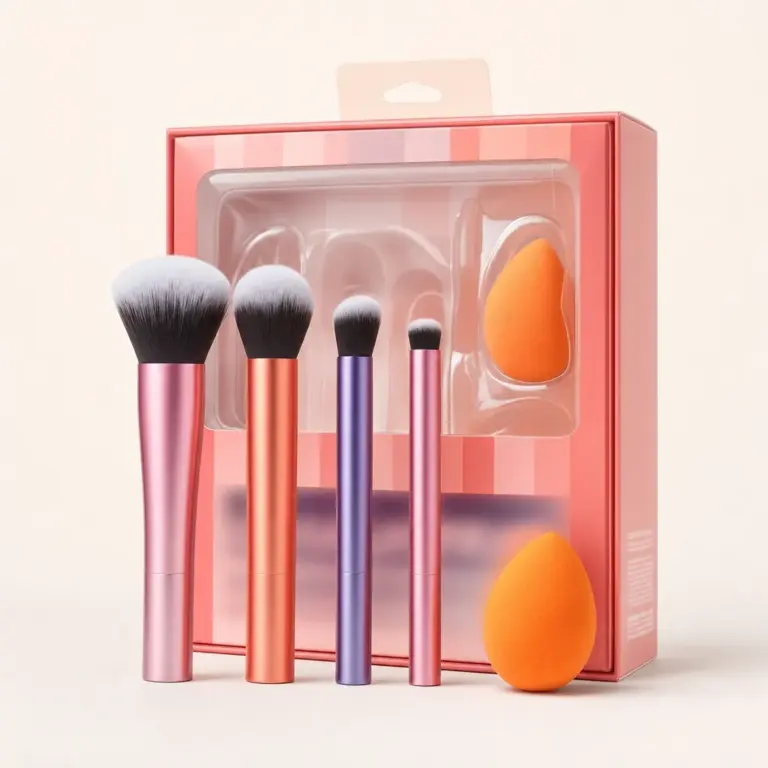
Real Techniques Everyday Essentials Brush Set (with 2 sponges) Review
Best for Beginners building a starter makeup brush collection
A six-piece starter kit with brushes and sponges from a brand Wirecutter rates for value.
Color Wow
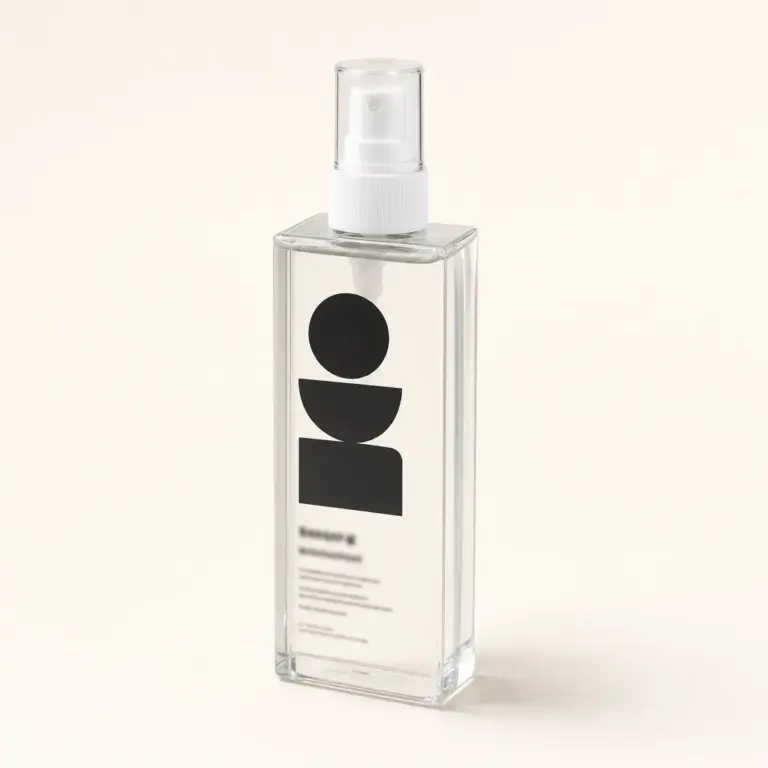
Color Wow Dream Coat Supernatural Spray Review
Best for Frizz-prone hair in humid weather; sleek blowouts
A heat-protectant spray designed to smooth texture and create a humidity-proof finish for sleek blowouts.
LANEIGE
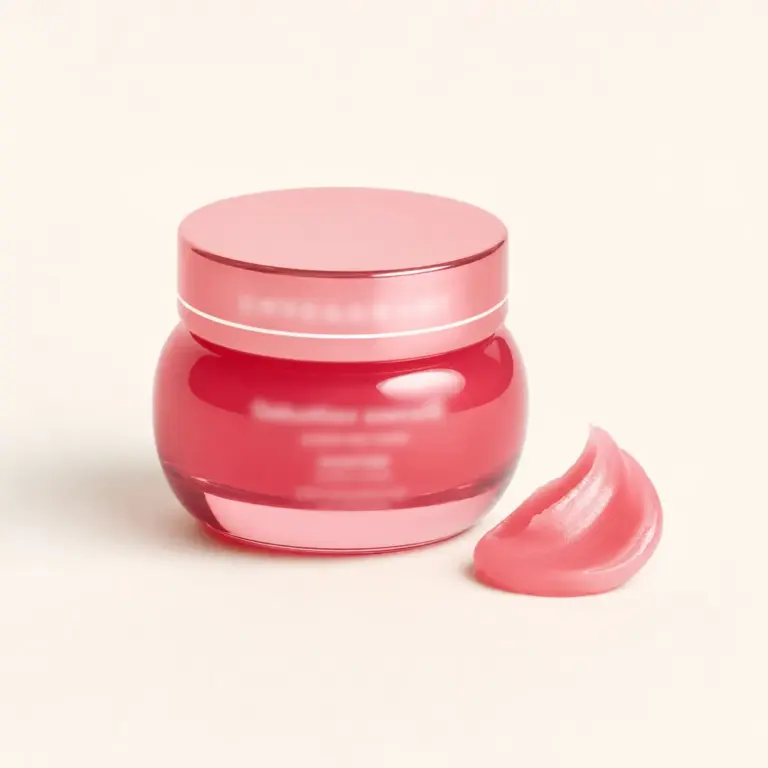
LANEIGE Lip Sleeping Mask Review
Best for Dry, flaky lips; overnight treatment; gifting
An overnight lip mask with antioxidants and butters that Wirecutter rated top in testing.
As an Amazon Associate I earn from qualifying purchases. How we make money
Researched: October 7, 2026 · Last updated: October 7, 2026. How we choose products