The Best Face Serums to Start With
Last updated: October 7, 2026
Cali's Cart is reader-supported. When you buy through our links we may earn a commission, at no extra cost to you. As an Amazon Associate I earn from qualifying purchases. Learn more
If you’re building your first skincare routine or simply want to add a targeted treatment without the guesswork, a good face serum is one of the most practical places to start. Unlike heavy creams or multi-step regimens, serums deliver concentrated ingredients in lightweight formulas that layer easily under moisturiser and makeup. The challenge is choosing which active ingredient to try first—and finding a version that won’t sting, pill, or drain your budget before you’ve even decided whether it works for your skin. This guide focuses on four beginner-friendly serums that address the most common skincare goals: brightening dullness, adding hydration, and managing oiliness or blemishes. We researched expert recommendations, ingredient lists, and real-world feedback to identify options that are gentle enough for newcomers, effective enough to notice a difference, and priced to let you experiment without regret. Whether you’re drawn to vitamin C for brightness, hyaluronic acid for plumpness, or niacinamide for shine control, these picks offer a sensible entry point into the world of serums.
In short
- Olay Vitamin C + Peptide 24 Serum offers a lightweight, beginner-friendly vitamin C formula that Wirecutter recommends for those new to brightening serums.
- Timeless 20% Vitamin C + E Ferulic Acid Serum delivers a classic antioxidant trio at a fraction of the cost of premium alternatives.
- The Ordinary Hyaluronic Acid 2% + B5 provides reliable multi-depth hydration for less than a tenth of the price of pricier options.
- The Ordinary Niacinamide 10% + Zinc 1% is a straightforward, budget-friendly choice for oily or blemish-prone skin, though the high concentration requires caution.
How we chose
We researched expert reviews from Wirecutter (The New York Times) and dermatologist evaluations to identify serums that balance effectiveness with gentleness for those new to active ingredients. Our focus was on formulas with well-studied ingredients—vitamin C, hyaluronic acid, and niacinamide—that address common concerns like dullness, dehydration, and oiliness without requiring advanced knowledge to use safely. We prioritised options that layer well under other products, absorb quickly, and come in at accessible price points, since experimenting with a new ingredient shouldn’t require a luxury budget. We also looked for formulas that experts specifically recommend for beginners, noting which concentrations are gentle enough for first-time users and which might cause stinging or irritation. Because serums are often the first step toward a more targeted routine, we favoured straightforward, single-purpose treatments over complex cocktails, making it easier to identify what’s working (or not) for your skin. None of these products were tested by us; our recommendations are based entirely on expert opinion, ingredient research, and the brand’s own listings.
Best gentle vitamin C: Olay Vitamin C + Peptide 24 Serum
Best gentle vitamin C
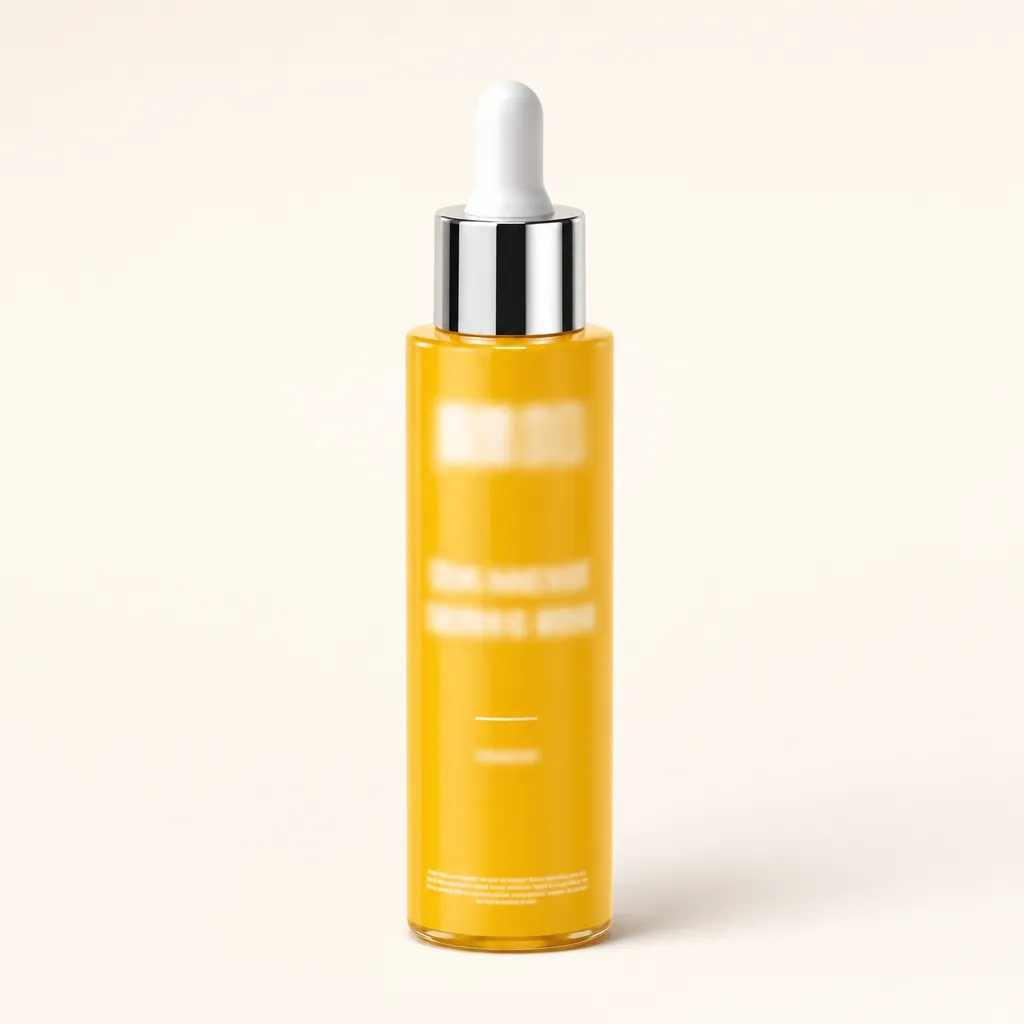
Illustration, not the actual product
Olay
Olay Vitamin C + Peptide 24 Serum Review
The Olay Vitamin C + Peptide 24 Serum earns Wirecutter’s recommendation as a gentle option for those new to vitamin C, and there’s a lot to like about its lightweight, citrus-scented formula. According to the listing, it combines vitamin C with peptides, vitamin B3, and lactic acid to visibly brighten and hydrate skin, and the brand says it absorbs quickly with no greasy or sticky residue—a practical feature if you plan to layer it under makeup. Wirecutter’s reviewers found the texture elegant and beginner-friendly, making it a sensible first step if you’re curious about brightening serums but wary of the stinging or irritation that stronger formulas can cause. The listing suggests smoothing it over cleansed face and neck both morning and night, with SPF during the day to protect your results.
This isn’t a high-strength L-ascorbic acid formula, so if you’re chasing maximum potency or have experience with clinical-strength vitamin C, you may want a more robust option. Wirecutter also describes the plastic packaging as truly horrible, which may matter if sustainability is a priority. Still, for combination skin or anyone wanting a gentle introduction to vitamin C without a complicated routine, this serum offers a practical balance of brightening ingredients and everyday wearability.
Best for Beginners wanting a gentle vitamin C serum; combination skin
Pros
- Recommended by Wirecutter for beginners
- Lightweight, absorbs quickly with no greasy residue
- Combines vitamin C with peptides and vitamin B3
- Citrus-scented formula works well under makeup
- Typically about $30 to $50
Cons
- Packaging criticised by Wirecutter as truly horrible
- Not a high-strength L-ascorbic acid formula
- May not suit those wanting maximum vitamin C potency
As an Amazon Associate I earn from qualifying purchases. How we make money
Best value vitamin C: Timeless 20% Vitamin C + E Ferulic Acid Serum
Best value vitamin C
Illustration, not the actual product
Timeless
Timeless 20% Vitamin C + E Ferulic Acid Serum
The Timeless 20% Vitamin C + E Ferulic Acid Serum is Wirecutter’s budget pick for vitamin C serums, delivering a classic antioxidant trio—20% vitamin C, vitamin E, and ferulic acid—at a fraction of the cost of premium alternatives. Wirecutter notes it boasts a similar ingredients panel to formulas that cost several times more, making it an appealing choice for value seekers who want the benefits of a well-researched combination without the luxury price tag. According to the listing, the serum is designed to support bright skin and aid healthy skin cell turnover, and it’s formulated for both dry and oily skin types. The brand suggests applying two to three pumps onto freshly cleansed skin daily for the best results.
The high concentration of L-ascorbic acid means this serum can sting or irritate sensitive skin, so patch testing and starting slowly is essential if you’re new to vitamin C or have reactive skin. Some users may also find the texture slightly sticky compared to more refined formulas. Because it’s sold by a third-party seller on Amazon.ca, availability and packaging may vary. If you’re comfortable with a stronger formula and want to experiment with vitamin C serums without spending a fortune, this is a straightforward, no-frills option to start with.
Best for Value seekers wanting a classic C + E + ferulic formula
Pros
- Wirecutter budget pick for vitamin C serums
- 20% vitamin C with E and ferulic acid
- Typically about $30 to $50
- Designed for both dry and oily skin types
Cons
- High concentration may sting or irritate sensitive skin
- Sold by third-party seller on Amazon.ca
- Some may find the texture sticky
As an Amazon Associate I earn from qualifying purchases. How we make money
Best for hydration on a budget: The Ordinary Hyaluronic Acid 2% + B5
Best for hydration on a budget
Illustration, not the actual product
The Ordinary
The Ordinary Hyaluronic Acid 2% + B5 Review
The Ordinary Hyaluronic Acid 2% + B5 is a straightforward hydrating serum that Wirecutter’s reviewers found does a reliable skin-plumping job for less than a tenth of the price of pricier alternatives. According to the listing, it combines five types of hyaluronic acid to deliver hydration to multiple layers of the skin, along with ceramides to lock in moisture and support the skin’s protective barrier. Pro-vitamin B5 is included to enhance moisture retention and promote the formation of essential barrier components. The brand says the serum provides immediate, long-lasting hydration for smoother, plumper, and healthier-looking skin, and it’s designed to minimise the appearance of fine dry lines while promoting elasticity.
This isn’t an all-in-one treatment—it’s meant to layer under moisturiser rather than replace it, so you’ll need to seal in the hydration with a cream or lotion on top. If applied too heavily, it may feel tacky or sticky, so start with a small amount and build up as needed. For dry or dehydrated skin on a budget, or anyone building a basic skincare routine without the luxury spend, this serum offers practical, multi-depth moisture in a no-nonsense formula. It’s a sensible choice if you want to understand how to use hyaluronic acid without committing to a high-end product first.
Best for Dry or dehydrated skin on a budget
Pros
- Budget-friendly hydration
- Five types of hyaluronic acid for multi-layer moisture
- Includes ceramides to support the skin barrier
- Layers well under moisturizer
- Straightforward formulation
Cons
- Not an all-in-one treatment
- Requires a moisturizer on top to seal in hydration
- May feel tacky if applied too heavily
As an Amazon Associate I earn from qualifying purchases. How we make money
Best for oily, shiny skin: The Ordinary Niacinamide 10% + Zinc 1%
Best for oily, shiny skin
Illustration, not the actual product
The Ordinary
The Ordinary Niacinamide 10% + Zinc 1%
The Ordinary Niacinamide 10% + Zinc 1% is a straightforward, budget-friendly option for oily or blemish-prone skin looking to add niacinamide to their routine. According to the listing, this water-based serum combines 10% niacinamide with 1% zinc, and it’s designed to smooth and support blemish-prone skin. The Ordinary is a Canadian brand (DECIEM, based in Toronto), and this serum has become a go-to for those wanting to experiment with niacinamide without a significant investment. The lightweight texture layers easily under moisturiser and makeup, making it practical for daily use.
The 10% concentration is higher than many alternatives, which may deliver results but also increases the chance of irritation—especially for sensitive skin. A dermatologist review cautions that there is no good trial showing 10% beats 5%, and higher strengths can cause flushing or stinging. If you’re new to niacinamide or have reactive skin, patch testing and starting slowly is essential. This serum is not suitable for very sensitive or barrier-damaged skin, and it’s best reserved for those with oily, combination, or resilient skin types who want a single-purpose treatment for shine and dark marks. For anyone curious about niacinamide on a tight budget, this is a practical starting point—just approach the high concentration with caution.
Best for Oily, blemish-prone, or combination skin on a budget
Pros
- Budget-friendly price point
- High concentration of niacinamide (10%)
- Water-based, lightweight serum texture
- From a Canadian brand (DECIEM, Toronto)
- Suitable for oily and blemish-prone skin types
Cons
- 10% concentration can cause flushing or stinging
- Not suitable for very sensitive or compromised skin
- Requires patch testing before full use
As an Amazon Associate I earn from qualifying purchases. How we make money
Choosing Your First Active Ingredient
The most important decision when starting with serums is choosing which active ingredient to try first. Vitamin C is designed to brighten dull skin and support an even tone, making it a good choice if your primary concern is radiance or dark spots. Hyaluronic acid focuses purely on hydration, plumping the skin and smoothing the appearance of fine dry lines—ideal if your skin feels tight or dehydrated. Niacinamide is often recommended for oily or blemish-prone skin, as it’s designed to help balance shine and support a clearer complexion.
If you’re unsure where to start, consider your skin’s most pressing need. Dry, flaky skin will benefit more from hyaluronic acid than from niacinamide, while oily skin with visible pores may respond better to niacinamide than to a rich hydrating serum. Vitamin C is versatile enough for most skin types, but sensitive skin should start with a gentler formula (like the Olay option) rather than a high-strength L-ascorbic acid serum. You can always add a second serum later—many people layer hyaluronic acid under vitamin C, for example—but starting with one active ingredient makes it easier to identify what’s working.
How to Introduce a New Serum Safely
Even gentle serums can cause irritation if introduced too quickly, especially if they contain active ingredients like vitamin C or niacinamide. Patch test any new serum on a small area (inside your wrist or behind your ear) for 24 hours before applying it to your face. If there’s no redness, stinging, or itching, you can move forward, but start slowly—use the serum every other night for the first week, then gradually increase to daily use if your skin tolerates it well.
Always apply serum to freshly cleansed, slightly damp skin, and follow with a moisturiser to seal in the active ingredients. If you’re using vitamin C, apply SPF during the day to protect your skin and preserve the serum’s effectiveness. For niacinamide or hyaluronic acid, moisturiser is essential to prevent dryness or tightness. If you experience persistent stinging, redness, or peeling, stop using the serum and consult a dermatologist. Introducing one new product at a time—and giving it at least two to four weeks to show results—will help you build a routine that works without overwhelming your skin.
Frequently asked questions
Can I use more than one serum at a time?
Yes, many people layer serums to address multiple concerns—hyaluronic acid for hydration followed by vitamin C for brightness, for example. Apply the thinnest, most watery serum first, wait a moment for it to absorb, then layer the next. Start with one serum to identify how your skin responds, then add a second if needed. Avoid combining too many active ingredients at once, especially when you’re new to serums, as this increases the risk of irritation.
How long does it take to see results from a serum?
Hydrating serums like hyaluronic acid can plump the skin within hours, while active ingredients like vitamin C and niacinamide typically require two to four weeks of consistent use before you notice visible changes in tone, texture, or brightness. The listing for the Olay serum suggests visibly more hydrated skin in one day and a brightened glow after one month, but individual results will vary. Patience and consistency are essential—skipping days or switching products too quickly makes it difficult to assess what’s working.
Do I need to refrigerate my vitamin C serum?
Refrigeration can help extend the shelf life of vitamin C serums, especially those with L-ascorbic acid, which can oxidise and lose effectiveness when exposed to light and air. Check the brand’s instructions—some serums are formulated to remain stable at room temperature, while others benefit from cool, dark storage. If your serum turns brown or develops a strong smell, it’s likely oxidised and should be replaced. Store all serums away from direct sunlight and heat to preserve their potency.
Can I use niacinamide and vitamin C together?
Yes, niacinamide and vitamin C can be used together, despite outdated advice suggesting they conflict. You can layer them in the same routine (vitamin C first, then niacinamide) or use one in the morning and the other at night. If you’re new to both ingredients, introduce them one at a time to monitor how your skin responds, then combine them once you’re confident neither causes irritation. Starting with a single active ingredient is the safest approach for beginners.