AHA vs BHA: How to Choose a Chemical Exfoliant
Last updated: October 7, 2026
Cali's Cart is reader-supported. When you buy through our links we may earn a commission, at no extra cost to you. As an Amazon Associate I earn from qualifying purchases. Learn more
Chemical exfoliants have become a mainstay in Canadian skincare routines, but the alphabet soup of AHA and BHA can be confusing. Both types of acid help shed dead skin cells, but they work in different ways and suit different concerns. According to the American Academy of Dermatology, AHAs (such as glycolic and lactic acid) are water-soluble exfoliants that work on the skin surface and are often chosen for dullness and rough texture, while BHA (salicylic acid) is oil-soluble, can work inside pores, and is often chosen for oily or blemish-prone skin. Understanding this difference is the first step to choosing the right exfoliant for your routine.
Whether you’re dealing with congestion, uneven tone, or simply want smoother skin, the right acid can make a noticeable difference—but only if you use it correctly. The AAD emphasizes choosing an exfoliation method that suits your skin type, being gentle, moisturizing afterwards, and wearing sunscreen daily, since exfoliating acids can make skin more sun-sensitive. In this guide, we’ll walk through how AHAs and BHAs differ, which skin types benefit most from each, and how to introduce them safely into your skincare routine.
In short
- AHAs (glycolic and lactic acid) are water-soluble and work on the skin surface, often chosen for dullness and rough texture
- BHA (salicylic acid) is oil-soluble, can work inside pores, and is often chosen for oily or blemish-prone skin
- Start slowly (a few times a week), wear sunscreen daily, and avoid layering acids with retinoids or benzoyl peroxide without guidance
What AHAs do and who they suit
AHAs—primarily glycolic and lactic acid—are water-soluble acids that work on the outermost layer of skin. They help loosen the bonds between dead skin cells, encouraging them to shed and revealing fresher skin underneath. Because they work at the surface, AHAs are often chosen by people looking to address dullness, rough texture, uneven tone, or visible signs of aging like fine lines. Glycolic acid has the smallest molecular size and is often considered the most effective for surface exfoliation, while lactic acid is slightly gentler and may be better tolerated by those with sensitive or dry skin.
The CeraVe Skin Renewing Nightly Exfoliating Treatment is a good example of an AHA product designed for nightly use. According to the listing, it combines a 5% blend of glycolic and lactic acids with three essential ceramides and hyaluronic acid, formulated to gently exfoliate while supporting the skin’s moisture barrier. Wirecutter’s reviewers named it best exfoliating lotion, noting that it challenges assumptions about chemical exfoliants. The creamy, hydrating texture sets it apart from many liquid toners, making it a practical choice for those with mature or dull skin who want exfoliation without stripping.
AHAs can make your skin more sensitive to the sun, so daily sunscreen is non-negotiable. The AAD advises starting a few times a week and gradually increasing frequency as your skin adjusts. If you’re already using retinoids or benzoyl peroxide, avoid adding an AHA until you’ve consulted a professional, as layering these actives can cause irritation.
What BHA does and who it suits
BHA—specifically salicylic acid—is oil-soluble, which means it can penetrate through sebum and work inside pores. This makes it particularly useful for oily, congested, or breakout-prone skin. Salicylic acid helps dissolve the debris and dead cells that clog pores, which is why it’s a common ingredient in acne treatments. It’s also anti-inflammatory, so it can help calm redness around blemishes. If your main concerns are blackheads, enlarged pores, or occasional breakouts, a BHA is often the better choice over an AHA.
Wirecutter named the PanOxyl Clarifying Exfoliant 2% Salicylic Acid its best liquid exfoliant in its January 2026 update. The formula delivers 2% salicylic acid—which Wirecutter notes is the most allowed in US over-the-counter acne treatments—in a lightweight, alcohol-free formula. According to the listing, it’s pH-balanced and includes blue algae to help calm the look of redness. For shoppers looking for a budget BHA, this is a practical option. The Paula’s Choice Skin Perfecting 2% BHA Liquid Exfoliant is another well-regarded choice; Wirecutter’s panelists especially loved the refined finish this formula delivered, and the brand says it includes antioxidants like green tea.
As with AHAs, BHAs require sunscreen and a slow introduction. The AAD recommends starting a few times a week and watching for signs of over-exfoliation, such as redness, tightness, or flaking. BHAs are generally well tolerated by oily skin, but they can be drying if overused, so balance them with a good moisturizer.
Can you use both AHA and BHA?
Some people do use both AHAs and BHAs in their routines, but it’s not necessary—and for many, it’s too much. If you have combination skin with both dullness and congestion, you might use a BHA on your T-zone and an AHA on drier areas, or alternate them on different nights. However, layering multiple acids increases the risk of irritation, especially if you’re new to chemical exfoliants or have sensitive skin.
The AAD cautions against exfoliating if you have cuts, sunburn, or are already using products that make skin more sensitive, such as retinoids or benzoyl peroxide. If you want to combine acids, introduce one at a time, give your skin several weeks to adjust, and consider consulting a dermatologist before adding the second. For most routines, one well-chosen acid used consistently is enough to see results.
If you’re curious about combining products, our comparison guides—such as Paula’s Choice 2% BHA vs PanOxyl Clarifying Exfoliant and CeraVe Nightly Exfoliating Treatment vs Paula’s Choice BHA—can help you weigh the differences between formulas.
Common mistakes to avoid
One of the most common mistakes is starting too strong, too fast. Many people apply a chemical exfoliant every night from day one and wonder why their skin becomes red, tight, or flaky. The AAD advises starting a few times a week and building up slowly. Even if a product says it’s suitable for daily use, your skin may need time to adjust. Patch testing on a small area first is always a good idea.
Another mistake is skipping sunscreen. Exfoliating acids make your skin more vulnerable to UV damage, so daily broad-spectrum sunscreen is essential—even on cloudy days, even in winter. Failing to moisturize afterwards is also a problem; exfoliation removes dead cells, but it doesn’t hydrate. Follow up with a gentle, fragrance-free moisturizer to support your skin’s barrier.
Finally, don’t layer acids with other strong actives without guidance. Combining an AHA or BHA with retinoids, benzoyl peroxide, or vitamin C can lead to irritation, peeling, or compromised skin. If you’re using prescription treatments or have a complex routine, consult a dermatologist before adding an exfoliant.
How to introduce a chemical exfoliant safely
Start by choosing one product—either an AHA or a BHA—based on your primary concern. If dullness and texture are your main issues, an AHA like glycolic or lactic acid is a good starting point. If congestion and breakouts are your focus, a BHA like salicylic acid is likely the better choice. Check the concentration: beginners should look for lower percentages (around 5% for AHAs, 2% for BHA) and work up if needed.
Apply the exfoliant to clean, dry skin, starting two or three times a week in the evening. Wait a few minutes for it to absorb, then follow with your regular moisturizer. Watch for any signs of irritation—mild tingling is normal, but stinging, burning, or persistent redness means you should scale back. Give your skin at least four to six weeks to adjust and show results; chemical exfoliants work gradually, not overnight.
Always wear sunscreen the next day, and reapply as directed on the label. Sunscreen is one part of sun protection; the AAD also recommends seeking shade and wearing protective clothing. If you’re new to acids, our guide to the best chemical exfoliants for beginners offers additional tips for getting started safely.
Quick checklist before you buy
Before you add a chemical exfoliant to your cart, run through this checklist to make sure it’s the right fit for your skin and routine:
<ul><li>Identify your main concern: dullness and texture (AHA) or congestion and breakouts (BHA)</li><li>Check the concentration: lower percentages are safer for beginners</li><li>Read the ingredient list for potential irritants like fragrance or alcohol, especially if you have sensitive skin</li><li>Make sure you’re not already using retinoids, benzoyl peroxide, or other strong actives that could conflict</li><li>Confirm you have a good daily sunscreen in place—exfoliating acids make this non-negotiable</li><li>Plan to start slowly: a few times a week, not every night</li><li>Patch test on a small area first, especially if you have reactive skin</li></ul>
Products worth considering
Paula’s Choice Skin Perfecting 2% BHA Liquid Exfoliant
The Paula’s Choice Skin Perfecting 2% BHA Liquid Exfoliant is a well-regarded leave-on treatment that uses salicylic acid to target clogged pores and uneven texture. Wirecutter’s panelists especially loved the refined finish this formula delivered. According to the listing, it’s designed to gently unclog and diminish enlarged pores while the brand says it includes antioxidants like green tea and is suitable for normal, oily, combination, and dry skin. The leave-on formula requires no rinsing, and the brand says it contains no added fragrance. It’s a mid-range option for those who want a gentle daily BHA without filler, though it may take weeks to see visible results and can cause dryness if overused.
CeraVe Skin Renewing Nightly Exfoliating Treatment
The CeraVe Skin Renewing Nightly Exfoliating Treatment earned praise from Wirecutter’s reviewers as best exfoliating lotion, challenging assumptions about chemical exfoliants. According to the listing, it combines a 5% blend of glycolic and lactic acids with three essential ceramides and hyaluronic acid, designed to gently exfoliate while supporting the skin’s moisture barrier. The creamy, hydrating texture sets it apart from many liquid toners, making it a practical choice for those with mature or dull skin who want exfoliation without stripping. The listing says it’s fragrance-free, non-comedogenic, and formulated for nightly use, though you’ll need to patch test first and use sunscreen daily, as acids can make skin more sensitive to the sun.
PanOxyl Clarifying Exfoliant 2% Salicylic Acid
The PanOxyl Clarifying Exfoliant 2% Salicylic Acid is a straightforward, leave-on salicylic acid treatment that Wirecutter named best liquid exfoliant in its updated January 2026 review. It delivers 2% salicylic acid—which Wirecutter notes is the most allowed in US over-the-counter acne treatments—in a lightweight, alcohol-free formula. According to the listing, it’s pH-balanced and includes blue algae to help calm the look of redness. For shoppers looking for a budget BHA to help manage congestion and breakouts, this is a practical option. It requires the usual acid precautions: patch testing, slow introduction, and daily sunscreen. It’s not suitable for very dry or reactive skin, and it cannot be stacked with other strong acids or retinoids without professional advice.
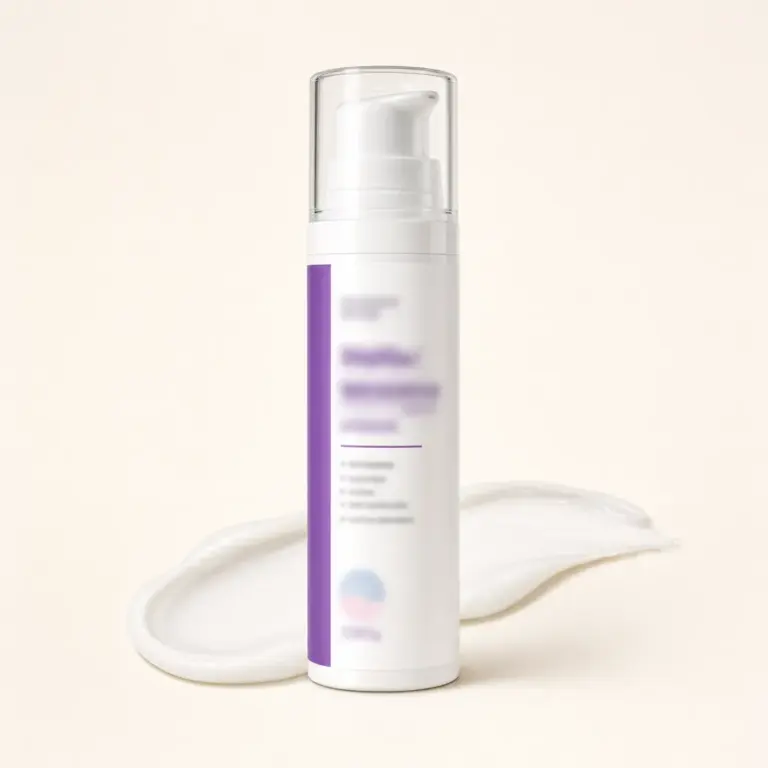
Paula's Choice
Paula’s Choice Skin Perfecting 2% BHA Liquid Exfoliant Review
Best for Pores, texture, and even tone
A leave-on BHA exfoliant designed to unclog pores and smooth texture with salicylic acid and green tea.
CeraVe
CeraVe Skin Renewing Nightly Exfoliating Treatment
Best for Dull or mature skin seeking gentle nightly exfoliation
A gentle nightly AHA treatment with glycolic acid, ceramides, and hyaluronic acid for smoother, brighter-looking skin.
PanOxyl
PanOxyl Clarifying Exfoliant 2% Salicylic Acid
Best for Oily, congested or breakout-prone skin; budget BHA
A budget leave-on BHA exfoliant with 2% salicylic acid for oily, congested or breakout-prone skin.
As an Amazon Associate I earn from qualifying purchases. How we make money
Frequently asked questions
What’s the main difference between AHA and BHA?
AHAs (such as glycolic and lactic acid) are water-soluble and work on the skin surface, making them a good choice for dullness and rough texture. BHA (salicylic acid) is oil-soluble and can work inside pores, so it’s often chosen for oily or blemish-prone skin. Both types help shed dead skin cells, but they target different concerns.
Can I use a chemical exfoliant every day?
It depends on your skin and the product. The American Academy of Dermatology advises starting a few times a week and building up slowly. Even if a product says it’s suitable for daily use, your skin may need time to adjust. Watch for signs of over-exfoliation like redness, tightness, or flaking, and scale back if needed.
Do I really need sunscreen if I use an exfoliant at night?
Yes. Exfoliating acids make your skin more sensitive to UV damage, so daily broad-spectrum sunscreen is essential the next day—even on cloudy days, even in winter. Follow the label and reapply as directed. Sunscreen is one part of sun protection; the AAD also recommends seeking shade and wearing protective clothing.
Can I use both AHA and BHA in the same routine?
Some people do, but it’s not necessary and can be too much for many skin types. If you want to try both, introduce one at a time, give your skin several weeks to adjust, and consider consulting a dermatologist before adding the second. For most routines, one well-chosen acid used consistently is enough to see results.