How to Make Makeup Last All Day
Last updated: October 7, 2026
Cali's Cart is reader-supported. When you buy through our links we may earn a commission, at no extra cost to you. As an Amazon Associate I earn from qualifying purchases. Learn more
If your foundation slides off by noon or your eyeshadow creases before lunch, you’re not alone. Making makeup last all day isn’t about one magic product—it’s about building the right foundation (literally and figuratively) in layers. The approach depends on your skin type, the climate you’re in, and how your skin behaves throughout the day. What works beautifully for oily skin in summer might feel heavy and unnecessary for dry skin in winter.
The good news is that a few strategic steps can make a real difference. We researched the techniques makeup artists and beauty editors recommend, and the products that help makeup stay put without feeling heavy or looking cakey. Whether you’re dealing with an oily T-zone or dry patches, understanding the why behind each step will help you customize a routine that actually works for your face.
In short
- Long-lasting makeup requires layered prep: moisturizer, primer, thin base layers, targeted powder, and setting spray
- Oily skin often benefits from powder on the T-zone; dry skin typically does better with minimal powder and a light mist
- Budget-friendly products like e.l.f. Power Grip Primer and NYX The Face Glue Setting Spray can help extend wear
- Results vary by skin type, climate, and product choice—experiment to find what works for your routine
Start with clean, moisturized skin
Makeup lasts longest when it has a smooth, hydrated base to grip. Start with freshly cleansed skin—leftover oils, sweat, or old skincare can prevent makeup from adhering properly. Apply your regular moisturizer and give it a few minutes to absorb fully before moving on to primer or foundation. If you’re using treatments like vitamin C serum or acne medication, layer them under your moisturizer and wait until everything feels settled, not slippery.
Dry skin needs this hydration step to prevent makeup from clinging to flaky patches or settling into fine lines as the day goes on. Oily skin benefits too, though you might prefer a lighter, gel-based moisturizer. Skipping moisturizer can actually make oily skin produce more oil to compensate, which works against your goal of long wear. The key is giving each layer time to absorb before adding the next.
Use a primer to give makeup something to grip
Primer creates a tacky base that helps foundation, concealer, and powder adhere better and last longer. Not all primers work the same way—some blur pores and fine lines, some mattify oily zones, and others add a subtle glow. The e.l.f. Power Grip Primer is a gel-based, hydrating option that the brand says is designed to grip makeup while smoothing skin. Wirecutter’s reviewers found its blurring and pore-concealing powers so effective that one tester wears it alone, noting that “somehow it makes wrinkles and pores almost disappear.” The formula is non-comedogenic and suitable for dry, combination, and oily skin types, though the tacky texture may not appeal to everyone.
Apply primer with your fingertips, patting it gently into skin—the warmth of your hands helps it absorb evenly. According to the listing, the e.l.f. primer needs about 30 seconds to set before you apply foundation. You don’t need to cover every inch of your face; focus on areas where makeup tends to fade first, like your T-zone, cheeks, and under-eyes. If you have very dry skin, you might skip primer on the driest areas and use it only where you need extra grip.
Apply base products in thin, buildable layers
Thick layers of foundation or concealer are more likely to crease, slide, or separate as the day wears on. Instead, apply a thin layer of foundation with a damp sponge or brush, blending it out evenly. If you need more coverage, wait a moment for the first layer to set, then add a second thin layer only where you need it. The same goes for concealer—pat it on gently with your fingertip or a small brush, building coverage gradually rather than piling it on at once.
This technique works for all skin types but is especially helpful if you’re prone to oiliness or live in a humid climate. Thin layers dry faster, grip better, and move with your skin instead of sitting on top of it. You’ll use less product overall, and your makeup will look more natural while lasting longer. If you notice any areas looking patchy or uneven, blend them out immediately before moving on to powder.
Set strategically with powder where you need it
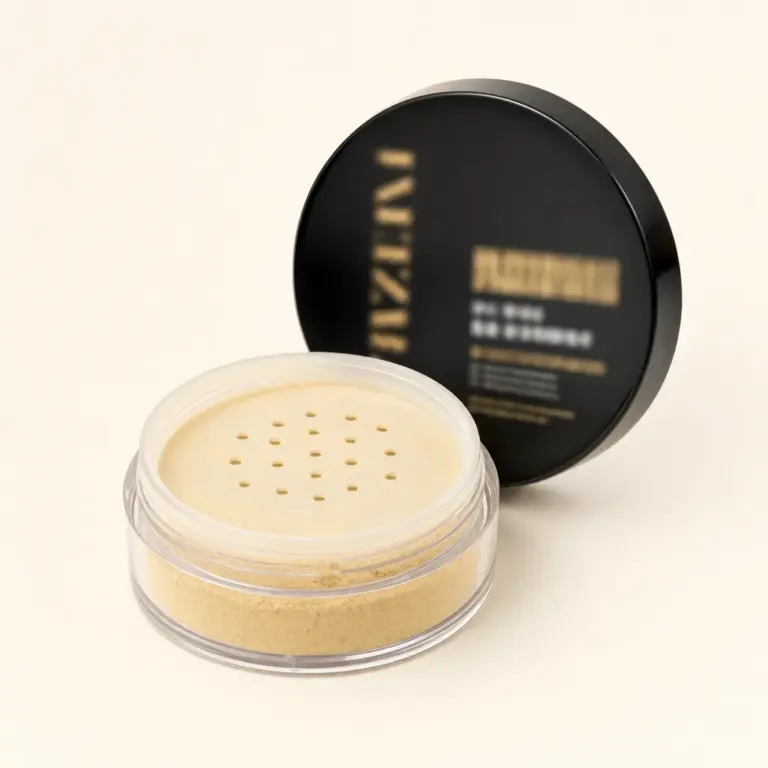
Setting powder absorbs oil and locks makeup in place, but you don’t need to powder your entire face. Focus on areas that get shiny or where makeup tends to crease—typically the T-zone (forehead, nose, chin) and under the eyes. Press the powder gently into skin with a puff or brush rather than sweeping it on; pressing helps it meld with your base instead of sitting on top. Wirecutter’s reviewers found the wet n wild Photo Focus Loose Setting Powder featherlight and effective at absorbing excess oil without tamping down too much glow.
If you have dry skin, you might skip powder entirely or use only a light dusting in your T-zone. Oily skin often benefits from a more generous application on the forehead, nose, and chin. The wet n wild powder is a budget-friendly option, though the Banana shade can look ashy on deeper skin tones, so check the shade carefully before buying. Loose powder can be messy to work with, so tap off excess before applying and consider doing your makeup over a towel or tissue.
Finish with setting spray for all-day hold
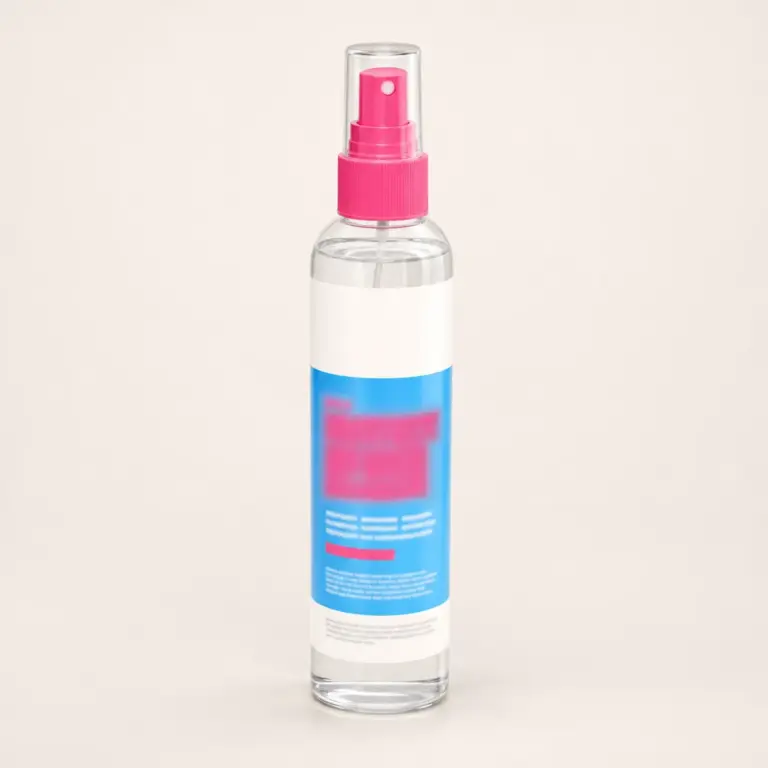
Setting spray is the final step that helps all your layers meld together and resist fading, transfer, and oil breakthrough. Hold the bottle at arm’s length and mist your face in an X or T pattern, keeping your eyes closed. Don’t spray too close—you want a fine mist, not droplets. Let it dry naturally; don’t touch your face or apply more product while it’s drying. Wirecutter’s testers overwhelmingly loved the NYX The Face Glue Setting Spray, despite its unappealing name. The brand says this gripping spray is designed to seal makeup for up to 24 hours with transfer-resistant, fade-resistant wear and a non-sticky feel.
Setting spray works for all skin types, though the finish varies by formula. The NYX spray is not designed for a matte finish, so if you want a natural or slightly dewy look, it’s a good budget-friendly choice. You can also use it as a primer spray before foundation for extra grip. If you’re comparing your options, we’ve put together a guide on setting powder vs setting spray to help you decide which approach suits your routine.
Common mistakes to avoid
One of the most common mistakes is applying too much product at once, whether it’s primer, foundation, or powder. Thick layers look cakey and break down faster. Another pitfall is not letting each layer set before adding the next—if you rush through your routine, products can mix together and slide around instead of building on each other. Skipping moisturizer is also a mistake, even for oily skin; without it, your skin may overproduce oil or your makeup may cling to dry patches.
Using the wrong products for your skin type can sabotage your efforts too. Heavy, mattifying formulas can emphasize dry patches, while overly dewy products can make oily skin look greasy by midday. Finally, touching your face throughout the day transfers oils and bacteria to your skin and breaks down your makeup. If you need to blot oil, use a clean tissue or blotting paper and press gently rather than rubbing.
Quick checklist before you buy
Before you invest in new products to extend your makeup’s wear, consider what you actually need. If your makeup fades evenly and you just want a bit more staying power, a setting spray might be all you need. If you get oily in specific zones, a targeted powder could solve the problem. If your foundation slides off entirely, you probably need a gripping primer. Think about your skin type—does it tend toward oily, dry, or combination? That will guide which formulas work best for you.
Check whether the products you’re considering are non-comedogenic if you’re prone to breakouts, and look for cruelty-free or vegan certifications if those matter to you. Read the shade range carefully, especially for powders—some shades work beautifully on light to medium skin but can look ashy on deeper tones. Finally, consider your budget. All three products we researched here are typically about $10 to $20, proving that long-lasting makeup doesn’t require luxury spending. For more product recommendations, see our guide to the best products to make your makeup last.
Products worth considering
e.l.f. Power Grip Primer
The e.l.f. Power Grip Primer is a budget-friendly, gel-based option designed to help makeup last while smoothing the appearance of pores and fine lines. Wirecutter’s reviewers found its blurring and pore-concealing powers so effective that one tester wears it alone, noting that “somehow it makes wrinkles and pores almost disappear.” The formula is non-comedogenic and suitable for dry, combination, and oily skin types, according to the listing. It’s hydrating and helps retain moisture for a plump complexion while gripping makeup in place. The main downside is the tacky texture, which may feel uncomfortable if you prefer weightless primers, and you’ll need to wait about 30 seconds for it to set before applying foundation. Still, at this price point, it’s a solid choice for anyone looking to extend makeup wear without spending a lot.
wet n wild Photo Focus Loose Setting Powder
Wirecutter’s reviewers found the wet n wild Photo Focus Loose Setting Powder featherlight and effective at absorbing excess oil without tamping down too much glow. It’s a budget option for setting makeup, especially if you have an oily T-zone or need to lock concealer in place under your eyes. The brand says it creates a soft-focus effect to subtly blur the look of fine lines and imperfections, and it’s cruelty-free and fragrance-free. However, the Banana shade can look ashy on deeper skin tones, so check the shade carefully before buying. Loose powder can also be messy to work with compared to pressed powder. If you want a natural finish with oil control and don’t mind a bit of extra cleanup, this is a solid drugstore pick.
NYX The Face Glue Setting Spray
Wirecutter’s testers overwhelmingly loved the NYX The Face Glue Setting Spray, despite its unappealing name. The brand says this gripping spray is designed to seal makeup for up to 24 hours with transfer-resistant, fade-resistant wear and a non-sticky feel. It’s a budget-friendly option for anyone looking to extend the wear of their makeup without a heavy or matte finish—it’s designed to boost colour vibrancy and give a natural look. According to the listing, you can also use it as a primer spray before foundation for extra grip. It’s cruelty-free and PETA-certified, and comes in a 60 ml bottle. The main limitation is that it’s not designed for a matte finish, so if you’re specifically looking to control shine, you might want to pair it with a mattifying powder. For a natural, long-lasting finish at a drugstore price, it’s worth trying.
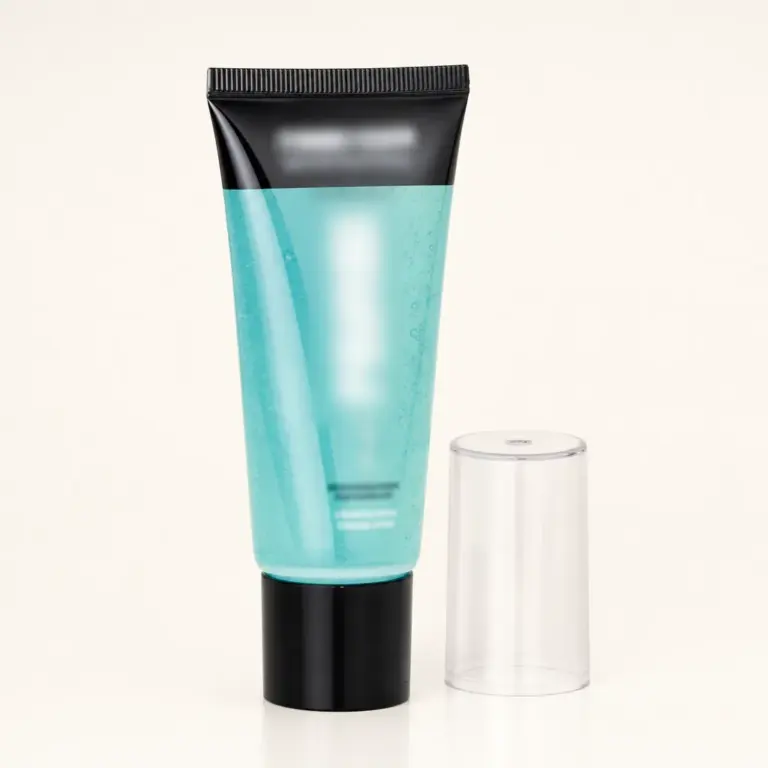
e.l.f.
e.l.f. Power Grip Primer Review
Best for Making makeup last; hydrating and smoothing skin
A gel-based primer designed to grip makeup and smooth skin while providing hydration.
wet n wild
wet n wild Photo Focus Loose Setting Powder
Best for Budget setting powder; oily T-zones
A featherlight loose powder that absorbs oil without dulling your glow, according to Wirecutter.
NYX Professional Makeup
NYX The Face Glue Setting Spray
Best for Natural-finish all-day makeup hold
A gripping setting spray designed to lock down makeup for up to 24 hours with a natural finish.
As an Amazon Associate I earn from qualifying purchases. How we make money
Frequently asked questions
Do I need both setting powder and setting spray?
Not necessarily—it depends on your skin type and what you’re trying to achieve. Oily skin often benefits from powder on the T-zone to absorb oil, followed by setting spray to lock everything in place. Dry skin might do better with just a light mist of setting spray and minimal or no powder. If you’re comparing your options, our guide on setting powder vs setting spray breaks down the differences. Results vary by skin and climate, so experiment to see what works for you.
How long should I wait between applying primer and foundation?
Most primers need about 30 seconds to a minute to set before you apply foundation. According to the listing, the e.l.f. Power Grip Primer requires 30 seconds to set. If you apply foundation too soon, the primer won’t have fully absorbed, and your base may slide around or look patchy. Use that waiting time to do your brows or pick out your lip colour.
Can I use setting spray as a primer?
Yes, some setting sprays can double as primer sprays. According to the listing, the NYX The Face Glue Setting Spray can be used as a primer spray before foundation for extra grip. Mist it on clean, moisturized skin, let it dry for a moment, then apply your foundation as usual. This technique can help foundation adhere better and last longer, especially if you have oily skin or live in a humid climate.
Why does my makeup still fade even when I use primer and setting spray?
Several factors can cause makeup to fade despite using primer and setting spray. You might be applying too much product at once, which prevents layers from setting properly. Touching your face throughout the day transfers oils and breaks down makeup. Your skin type might not match the products you’re using—for example, mattifying formulas on dry skin or dewy products on very oily skin. Climate and activity level also play a role; humid weather and sweating will always challenge makeup longevity. Finally, some base products simply don’t have good staying power, no matter what you layer over them. Experiment with different combinations to find what works for your skin and routine.