Curling Iron vs Straightener: Which Hot Tool Do You Need?
Last updated: October 7, 2026
Cali's Cart is reader-supported. When you buy through our links we may earn a commission, at no extra cost to you. As an Amazon Associate I earn from qualifying purchases. Learn more
Standing in the hair styling aisle, you’ve probably wondered whether you need a curling iron, a straightener, or both. The answer depends on your hair type, your most common styling goals, and how much versatility you need from a single tool. While both tools use heat to reshape your hair temporarily, they’re designed for different jobs—and understanding what each one does well (and what it doesn’t) will help you build a collection that actually gets used.
The good news: you don’t need to spend a fortune to get started. Budget-friendly options can deliver solid results if you choose the right tool for your hair length, texture, and the look you’re after most often. In this guide, we’ll walk through what each tool does, how to decide which one you need first, and what to look for when you’re ready to buy.
In short
- Straighteners smooth hair and can also create bends and waves; curling irons create defined curls and volume
- Choose based on your most frequent styling need—straightening frizz or adding curl—rather than trying to do everything with one tool
- Barrel and plate size matter: smaller barrels make tighter curls, wider plates suit long thick hair but struggle with short styles
- Always use heat protectant, style on dry hair, and choose lower heat for fine or damaged hair
What a straightener does (and doesn’t do)
A straightener—also called a flat iron—uses two heated plates to smooth hair as you glide it from root to tip. The primary job is to eliminate frizz, tame waves, and create sleek, straight styles. But straighteners are more versatile than their name suggests: you can also use them to create soft bends, flipped ends, and loose waves by twisting the tool as you pull it through your hair.
Plate width makes a big difference. Wider plates cover more hair per pass, which speeds up the process if you have long or thick hair. Narrower plates give you more control for short hair, bangs, and styling close to the roots. The Remington Shine Therapy 2 Inch Straightener is designed for women with a lot of hair to cover, but those wide plates become awkward when you’re trying to straighten a fringe or work around your face.
What a curling iron does (and doesn’t do)
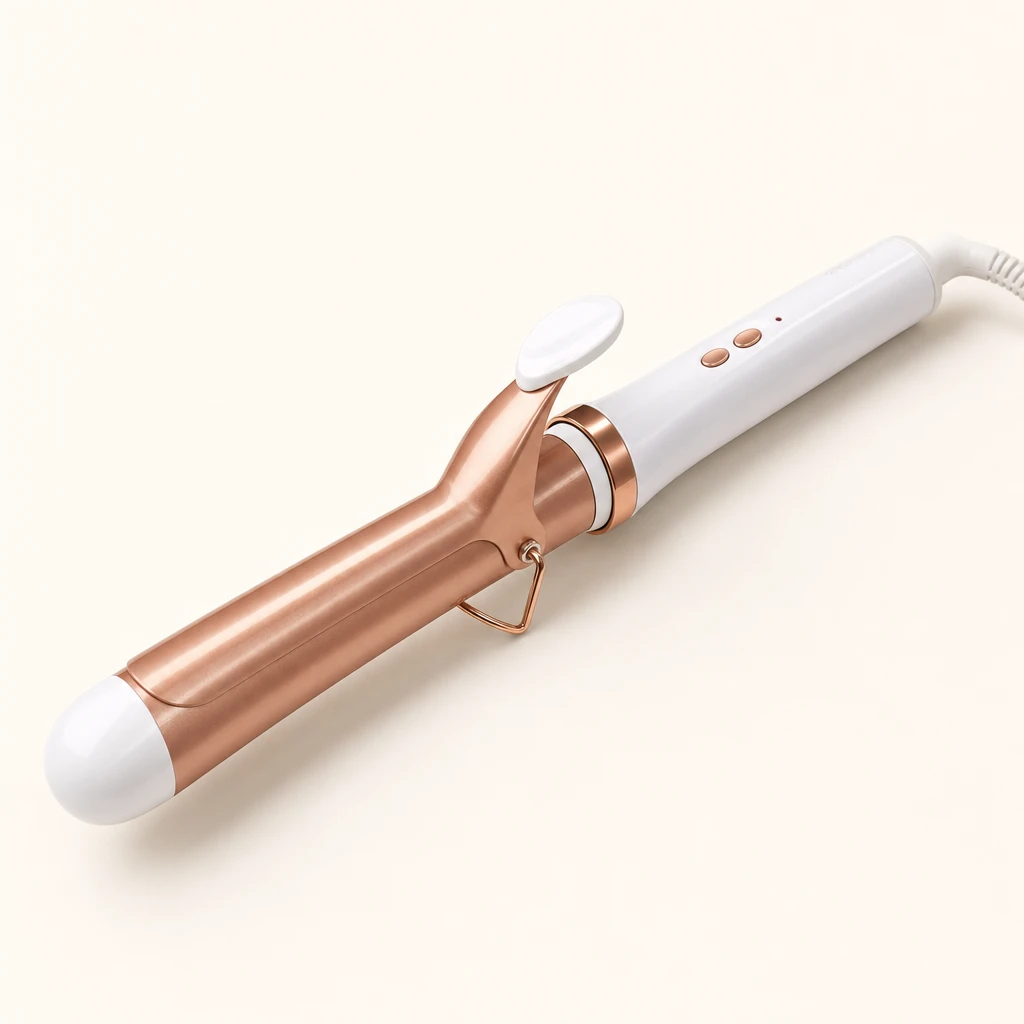
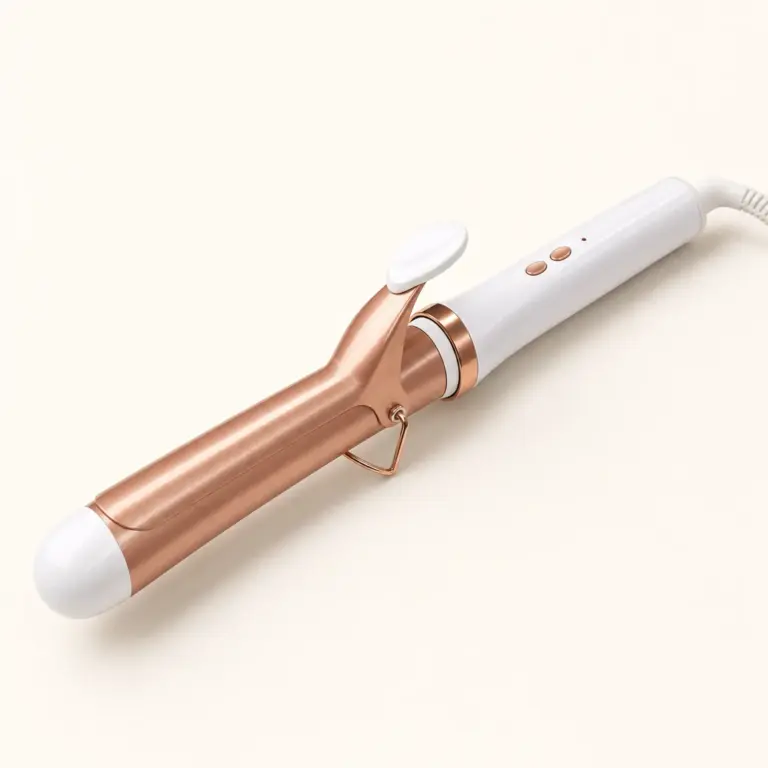
A curling iron wraps hair around a heated barrel to create defined curls, waves, and volume. The barrel size determines the curl pattern: smaller barrels produce tighter, springier curls, while larger barrels create loose waves and beachy texture. Unlike a straightener, a curling iron is purpose-built for adding shape and bounce, and it’s the faster choice if curls are your main goal.
Curling irons generally can’t straighten hair effectively. You’re working with a round barrel, not flat plates, so trying to smooth frizz or create sleek styles with a curling iron is frustrating and inefficient. If your hair is naturally straight or wavy and you mostly want to add curl, a curling iron is the tool that will give you the results you’re after. The Conair Double Ceramic 1-inch Curling Iron is designed to create classic curls and beach waves without requiring a premium budget.
How to decide which tool you need first
Start by thinking about what you do most often. If you have curly or wavy hair and you spend most mornings fighting frizz or trying to achieve a smooth blowout, a straightener is the practical first purchase. If your hair is straight or fine and you’re always reaching for a curling wand or hot rollers to add body and texture, invest in a curling iron instead.
Consider your hair length, too. Short hair and pixie cuts need the precision of a narrow straightener; wide plates simply won’t fit close to the scalp or around the ears. Long, thick hair benefits from the efficiency of wider straightener plates or a larger-barrel curling iron that won’t take an hour to style. If you have a bob or lob and you want to do both smooth styles and curls, you might eventually want both tools—but buy the one that matches your everyday routine first, and add the second tool only if you find yourself wishing for it regularly.
Common mistakes to avoid
One of the biggest mistakes is using heat tools on damp or wet hair. Both straighteners and curling irons are designed to style dry hair; applying high heat to wet hair can cause damage and won’t give you the results you want. Always blow-dry your hair completely (or let it air-dry) before you reach for a hot tool, and always apply a heat protectant product first.
Another common error is cranking the heat up to the maximum setting regardless of your hair type. Fine, colour-treated, or damaged hair needs lower temperatures to avoid further harm. Thick, coarse, or very curly hair may need higher heat to hold a style, but even then you should start at a moderate setting and increase only if necessary. Avoid making repeated passes over the same section of hair—one or two slow, deliberate passes should be enough if your tool is at the right temperature.
Features that matter (and ones that don’t)
Ceramic plates or barrels distribute heat more evenly than basic metal, which helps reduce hot spots that can damage hair. Many budget and mid-range tools now include ceramic technology, so you don’t need to spend a fortune to get this benefit. Adjustable heat settings are useful because they let you tailor the temperature to your hair type, but you don’t necessarily need dozens of settings—a handful of well-spaced options is usually enough.
Infused coatings (such as argan oil or keratin) are marketed as adding shine or conditioning benefits, but the effect is minimal. These coatings may help the tool glide more smoothly through your hair, but they won’t replace a good heat protectant or conditioning routine. Digital displays are a nice-to-have feature for precise temperature control, but an analog dial works just fine if you’re on a budget. Focus on the basics—plate or barrel size, heat range, and build quality—before worrying about bells and whistles.
Can one tool do both jobs?
Straighteners can create waves and bends, but they won’t give you the same defined curls or volume that a dedicated curling iron produces. If you only occasionally want a bit of texture or a flipped end, a straightener might be versatile enough. But if you regularly want bouncy curls or tight ringlets, a curling iron is the better tool for the job.
Some people try to straighten hair with a curling iron or use a straightener for every curling task, and the results are usually disappointing. Each tool is designed with a specific purpose in mind, and trying to force it into a role it wasn’t built for takes longer and often looks less polished. If you find yourself wanting both smooth styles and defined curls on a regular basis, it’s worth owning both tools rather than compromising on either look.
Quick checklist before you buy
Before you add a hot tool to your cart, run through this checklist to make sure you’re choosing the right one for your needs:
- Identify your most frequent styling goal: smoothing frizz and straightening, or adding curls and volume
- Check the plate or barrel size against your hair length (narrow for short hair, wide for long thick hair)
- Look for adjustable heat settings so you can match the temperature to your hair type
- Confirm the tool has ceramic plates or barrel for more even heat distribution
- Make sure you have a heat protectant product on hand before you start styling
- Consider your budget—both drugstore and mid-range tools can deliver good results if you choose the right features
Products worth considering
Conair Double Ceramic 1-inch Curling Iron
The Conair Double Ceramic 1-inch Curling Iron is designed for anyone who wants to add classic curls and beach waves without spending a lot. According to expert roundups at TechGearLab, CNN Underscored, and Cosmopolitan, this curling iron offers 30 heat settings and fast heat-up at an accessible price. The 1-inch ceramic barrel is a versatile size that works for most hair lengths and curl styles. If you have very fine or damaged hair, start at a lower temperature and always use a heat protectant—high heat without protection can cause further harm. This is a solid choice for building out your hair tool collection on a budget.
Remington Shine Therapy 2 Inch Straightener
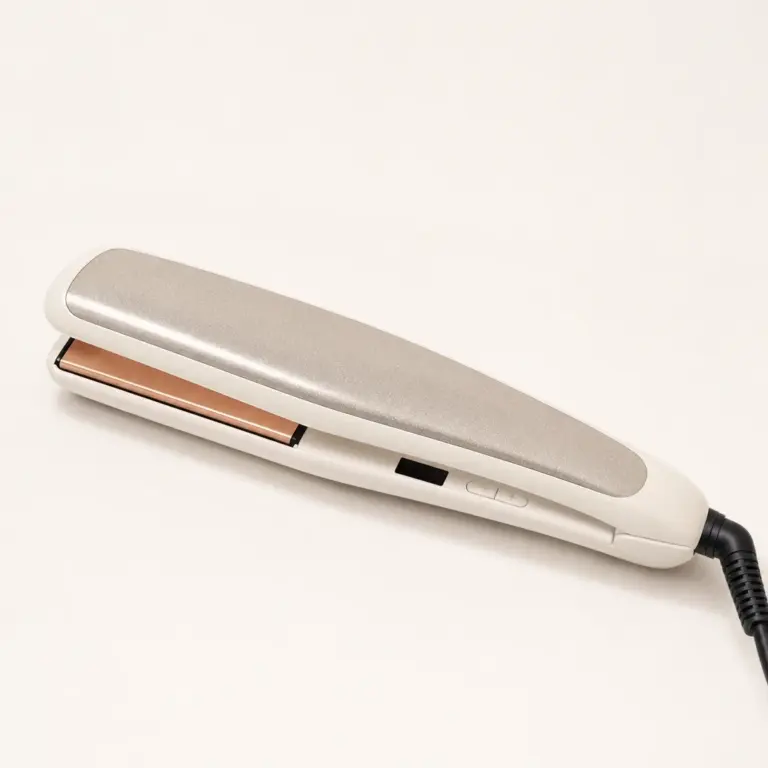
The Remington Shine Therapy 2 Inch Straightener suits women with long, thick hair who want to cover more surface area with each pass. Wirecutter recommended the 1-inch version of the Shine Therapy line as a top pick for sleek results and simple operation at a bargain price, and this 2-inch model shares the same ceramic technology infused with argan oil and keratin. The extra-wide plates speed up your routine if you have a lot of hair to straighten, but they’re awkward for short hair, bangs, or detailed work around the face. If you have a pixie cut or bob, look for a narrower straightener instead. The digital heat display is a helpful feature, though we don’t have confirmation of the specific heat settings for this 2-inch model.
Conair
Conair Double Ceramic 1-inch Curling Iron
Best for Classic curls and beach waves on a budget
Budget-friendly ceramic curling iron with 30 heat settings for versatile styling.
Remington
Remington Shine Therapy 2 Inch Straightener
Best for Long, thick hair that benefits from wide plates
A wide-plate straightener from the Shine Therapy line, designed for long, thick hair.
As an Amazon Associate I earn from qualifying purchases. How we make money
Frequently asked questions
Can I use a straightener to curl my hair?
Yes, you can create soft waves, bends, and flipped ends with a straightener by twisting the tool as you glide it through your hair. However, a straightener won’t give you the same defined curls or volume that a curling iron produces. If you only occasionally want a bit of texture, a straightener can handle the job, but if you regularly want bouncy curls, a dedicated curling iron is the better choice.
What barrel size should I choose for a curling iron?
Smaller barrels create tighter, springier curls, while larger barrels produce loose waves and beachy texture. A 1-inch barrel is a versatile middle ground that works for most hair lengths and curl styles. If you want very tight curls or ringlets, look for a smaller barrel; if you want soft, loose waves, choose a larger one. Consider your hair length, too—longer hair wraps more easily around a larger barrel.
Do I need different heat settings for different hair types?
Yes, hair type should guide your temperature choice. Fine, colour-treated, or damaged hair needs lower heat to avoid further harm, while thick, coarse, or very curly hair may need higher heat to hold a style. Always start at a lower temperature and increase only if necessary. Adjustable heat settings give you the flexibility to match the tool to your hair, but you don’t need dozens of options—a handful of well-spaced settings is usually enough.
Should I choose ceramic plates or a coated barrel?
Ceramic plates and barrels distribute heat more evenly than basic metal, which helps reduce hot spots that can damage hair. Many budget and mid-range tools now include ceramic technology, so it’s a feature worth looking for. Infused coatings like argan oil or keratin may help the tool glide smoothly, but they won’t replace a good heat protectant or conditioning routine. Focus on ceramic construction first, and treat coatings as a minor bonus rather than a deciding factor.