Gold Plated vs Sterling Silver vs “Hypoallergenic” Jewelry
Last updated: October 7, 2026
Cali's Cart is reader-supported. When you buy through our links we may earn a commission, at no extra cost to you. As an Amazon Associate I earn from qualifying purchases. Learn more
When you’re shopping for jewelry, you’ll see terms like gold plated, sterling silver and hypoallergenic on nearly every listing. Each describes something different about the metal, and knowing what they mean can help you choose pieces that suit your budget, your skin and your daily routine. Gold plated jewelry has a thin layer of gold over a base metal (such as brass or sterling silver), while sterling silver is 92.5% silver all the way through. ‘Hypoallergenic’ sounds reassuring, but it has no single regulated meaning in jewelry, so it’s worth understanding what’s actually in the piece.
We researched the differences between these materials and looked at a few examples to show what to expect. This guide walks through how each type of jewelry is made, how it wears over time, what kind of care it needs, and what to check on the listing before you buy. Whether you’re looking for affordable gold jewelry or trying to avoid a metal allergy flare-up, the details below will help you shop with confidence.
In short
- Gold plated jewelry has a thin gold layer over a base metal; plating can wear with water, sweat, perfume and friction over time.
- Sterling silver is 92.5% silver and can tarnish; it needs regular polishing but is a solid metal throughout.
- ‘Hypoallergenic’ has no regulated definition—check the metal details and consult a dermatologist if you have known metal allergies, especially to nickel.
What gold plated jewelry actually means
Gold plated jewelry has a thin layer of gold bonded to a base metal underneath. The base can be brass, copper, stainless steel or even sterling silver. The plating is measured in microns or karats (for example, 14K gold plating), but the layer is still very thin—typically a fraction of a millimetre. Because the gold is only on the surface, it can wear away over time, especially on pieces that rub against skin, clothing or other surfaces.
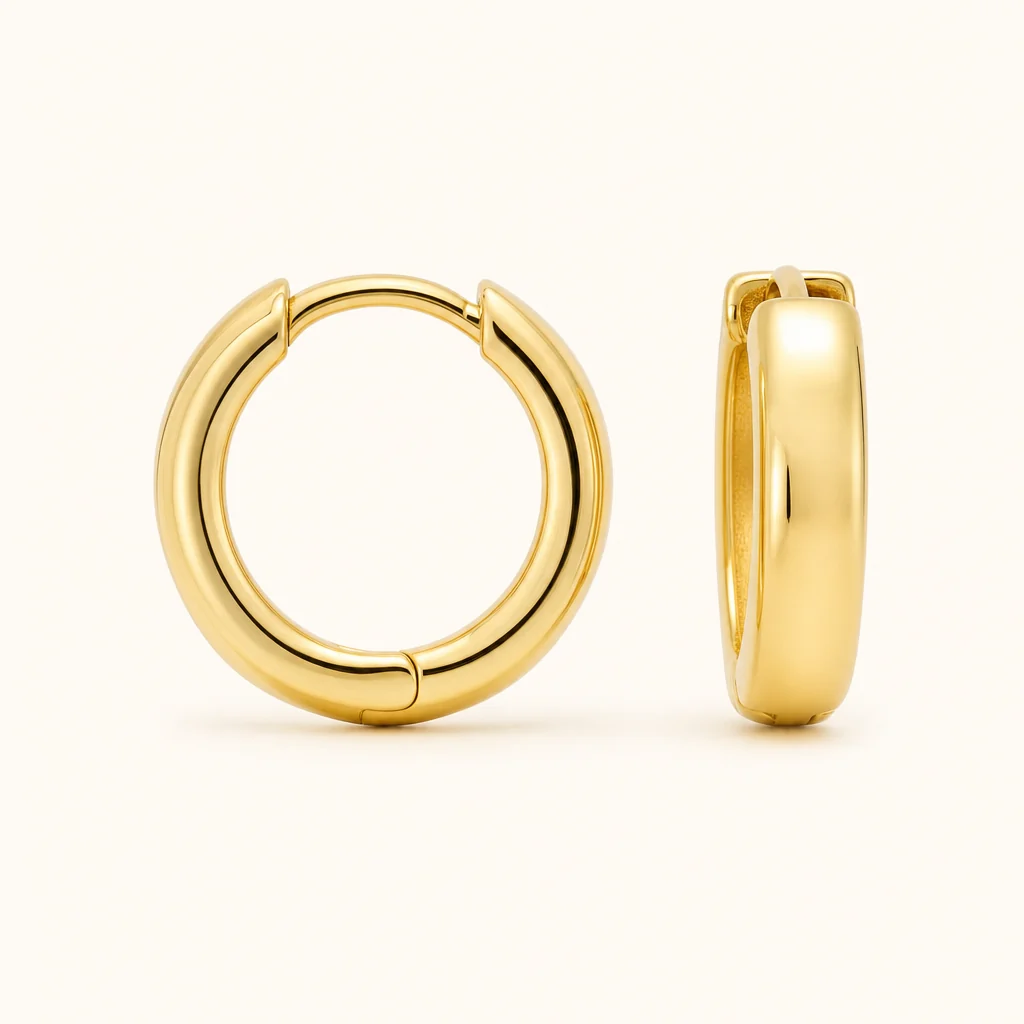
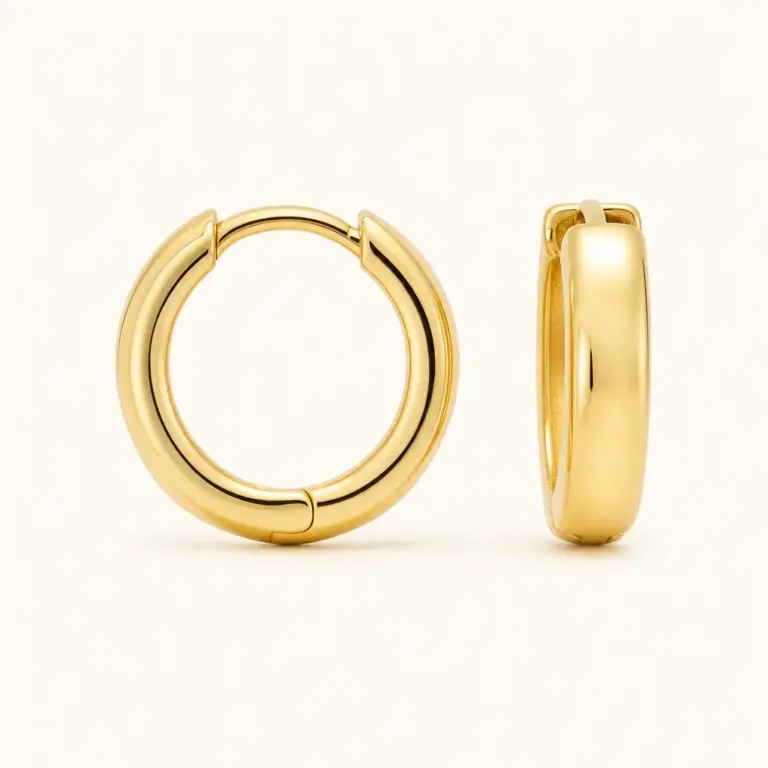
The PAVOI 14K Gold Plated Huggie Earrings are an example: the listing says they have 14K yellow gold plating over sterling silver posts, so the base metal is sterling silver and the gold layer sits on top. Good Housekeeping’s affordable-jewelry-brands roundup included PAVOI at the brand level (an associate editor said the brand’s chain huggie earrings made her a fan, though not confirmed as this exact pair), and noted that plating can wear over time. The PAVOI 14K Gold Plated Chain Necklace also has 14K gold plating, and the listing offers several chain styles—curb, paperclip, box, bead, snake, herringbone and figaro—so you can pick the look you want on the listing page.
Gold plating will eventually fade with exposure to water, sweat, perfume, lotions and friction. How long it lasts depends on the thickness of the plating, how often you wear the piece, and how you care for it. If you want the look of gold without the cost of solid gold, plated jewelry is a practical choice, but expect to treat it gently and know that the finish won’t last forever.
Sterling silver: what it is and how it behaves
Sterling silver is an alloy made of 92.5% pure silver and other metals, usually copper. The copper adds strength, because pure silver is too soft for most jewelry. Sterling silver is a solid metal all the way through, so unlike plating, it won’t wear away to reveal a different colour underneath. However, it does tarnish—a natural chemical reaction that darkens the surface when silver is exposed to air, moisture and sulfur compounds.
Tarnish is not permanent damage; you can remove it with a polishing cloth or a gentle silver cleaner. Some people like the patina that develops on sterling silver over time, while others prefer to keep it bright. The PAVOI huggie earrings mentioned above have sterling silver posts under the gold plating, so the base metal is sterling silver. If the plating wears off in the future, the silver underneath will be exposed and may tarnish.
Sterling silver is a good choice if you want a solid metal that you can polish and restore, and it’s often easier on sensitive skin than base metals like brass or nickel. Just be prepared to clean it regularly if you want to keep the shine.
What ‘hypoallergenic’ means (and doesn’t mean) in jewelry
‘Hypoallergenic’ is a marketing term with no regulated definition in jewelry. A brand can call a piece hypoallergenic if it believes the materials are less likely to cause an allergic reaction, but there’s no standard test or certification required. The most common jewelry allergy is to nickel, a metal often used in base alloys, so many hypoallergenic claims mean the piece is nickel-free or nickel-safe. However, people can be allergic to other metals too, including copper, brass and even gold alloys.
The LILIE&WHITE Chunky Gold Hoop Earrings have stainless steel posts with gold plating, and the listing says they are hypoallergenic. Stainless steel is generally considered low-allergen because it contains very little nickel that can leach out, but it’s not a guarantee for everyone. The PAVOI huggie earrings are also described by the brand as hypoallergenic and suitable for sensitive skin, with sterling silver posts that the brand says are nickel safe, lead safe and cadmium compliant.
If you have a known metal allergy, check the listing for the exact materials and look for terms like ‘nickel-free,’ ‘lead-free’ or specific metals like sterling silver, stainless steel, titanium or solid gold. When in doubt, consult a dermatologist before wearing new jewelry, especially in fresh piercings.
How to care for gold plated and sterling silver pieces
Gold plated jewelry needs gentle handling to keep the plating intact as long as possible. The PAVOI necklace listing says to avoid contact with water, perfume and chemicals, store it in a cool, dry place, and clean gently with a soft cloth. The PAVOI huggie earrings have similar care instructions: clean with a soft, dry cloth and avoid harsh chemicals and heat. Put plated jewelry on last, after you’ve applied makeup, perfume and lotion, and take it off first when you get home. Store pieces separately in a jewelry box or pouch to prevent scratching.
Sterling silver pieces can be cleaned with a silver polishing cloth or a gentle silver cleaner when tarnish appears. Avoid wearing sterling silver in chlorinated water (pools, hot tubs) or while using household cleaners, as these can accelerate tarnishing. Store silver in a cool, dry place, ideally in anti-tarnish pouches or cloth, and keep pieces separated so they don’t scratch each other.
Both types of jewelry will last longer if you remove them before showering, swimming, exercising or sleeping. A little extra care goes a long way in preserving the finish and keeping the metal looking its best.
Common mistakes to avoid
One common mistake is assuming ‘hypoallergenic’ means the jewelry is safe for everyone. If you have sensitive skin or a known allergy, always check the metal composition on the listing and consider doing a patch test (wearing the piece for a short time on a less sensitive area) before committing to all-day wear. Another mistake is treating gold plated jewelry like solid gold: plating is delicate and will wear off with rough handling, water exposure and daily friction, so don’t expect it to last indefinitely without care.
People also sometimes store jewelry in humid bathrooms or leave it on while showering or swimming, which speeds up tarnishing and plating wear. Finally, don’t rely on the term ‘gold’ alone—check whether the listing says gold plated, gold filled, or solid gold, because the durability and price differ significantly. If the listing doesn’t specify, ask the seller or check the product details before you buy.
Quick checklist before you buy
Before you add a piece of jewelry to your cart, run through this checklist to make sure it suits your needs:
- Check the metal: Is it gold plated, sterling silver, stainless steel, or solid gold? The listing should state this clearly.
- Look for allergy information: If you have sensitive skin, look for ‘nickel-free,’ ‘lead-free,’ or specific metals like sterling silver or stainless steel. ‘Hypoallergenic’ alone is not a guarantee.
- Read the care instructions: Gold plated pieces usually need to be kept away from water and chemicals; sterling silver needs polishing. Make sure you’re willing to follow the care routine.
- Check the size and weight: Earring diameter, necklace length and weight can affect comfort and style.
- Consider your lifestyle: If you shower with jewelry on, swim regularly, or work with your hands, gold plating may not hold up as well as sterling silver or stainless steel.
Which type of jewelry is right for you?
Gold plated jewelry is a practical choice if you want the look of gold at an accessible price and you’re willing to care for it carefully. It’s ideal for special occasions, layering, or pieces you rotate rather than wear every single day. The PAVOI necklace, for example, comes in multiple chain styles and is made from recycled materials according to the brand, so you can pick a look that suits your wardrobe and feel good about the sustainability claim. Just remember that the plating will fade over time, especially with daily wear.
Sterling silver is a good option if you want a solid metal that you can polish and restore, and it’s often gentler on sensitive skin than base-metal alloys. It requires regular cleaning to prevent tarnish, but it won’t wear away like plating. If you have a nickel allergy, sterling silver or stainless steel posts (like those on the LILIE&WHITE hoops) are often safer bets than brass or mystery-metal bases, though you should always check the listing and consult a dermatologist if you’re uncertain.
Ultimately, the right choice depends on your budget, how much maintenance you’re willing to do, and whether you have any metal sensitivities. Read the listing carefully, check the care instructions, and choose the material that fits your daily life. For more ideas, browse our guides to affordable gold jewelry and fashion stocking stuffers under $25, or see how we choose products for Cali’s Cart.
Products to compare
PAVOI 14K Gold Plated Huggie Earrings
The PAVOI 14K Gold Plated Huggie Earrings have 14K yellow gold plating over sterling silver posts, and the brand calls them hypoallergenic and suitable for sensitive skin. According to the listing, they measure just under 14 mm in diameter, making them compact enough for stacking or second piercings. Good Housekeeping’s affordable-jewelry-brands roundup included PAVOI at the brand level (an associate editor said the brand’s chain huggie earrings made her a fan, though not confirmed as this exact pair). The listing says the posts are nickel safe, lead safe and cadmium compliant, and the earrings come in a gift-ready box. The brand also notes they’re made from recycled materials. Keep in mind that the gold plating can wear over time, and the listing recommends cleaning with a soft, dry cloth and avoiding harsh chemicals and heat. These suit anyone looking for a small, stackable hoop with a sterling silver base and gold finish, but check the listing’s care instructions and be prepared to handle them gently.
PAVOI 14K Gold Plated Chain Necklace
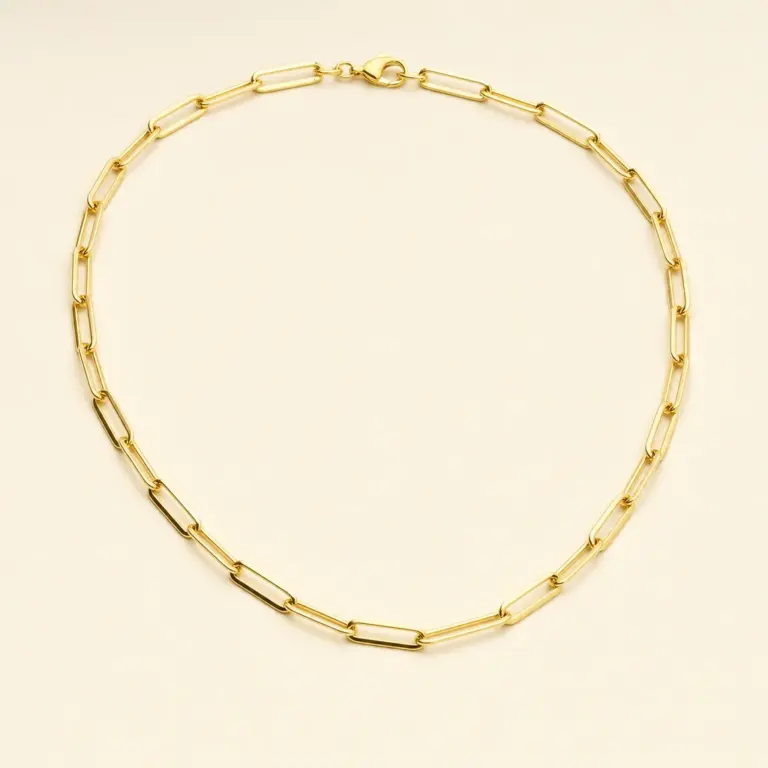
The PAVOI 14K Gold Plated Chain Necklace has a 14K gold plated finish and comes in several chain styles: curb, paperclip, box, bead, snake, herringbone and figaro, according to the listing. The brand says the length is adjustable, and the necklace is made from 100% recycled materials and packaged in 99% recycled materials. Good Housekeeping’s affordable-jewelry-brands roundup included PAVOI at the brand level. The listing says to avoid contact with water, perfume and chemicals, store the necklace in a cool, dry place, and clean gently with a soft cloth. The gold plating can wear over time with exposure, so this is best for someone who wants a layering piece or gift option and is willing to follow the care routine. It’s not solid gold, so expect the finish to fade eventually with daily wear. Check the listing to pick your preferred chain style and see the typical price range on this page.
LILIE&WHITE Chunky Gold Hoop Earrings
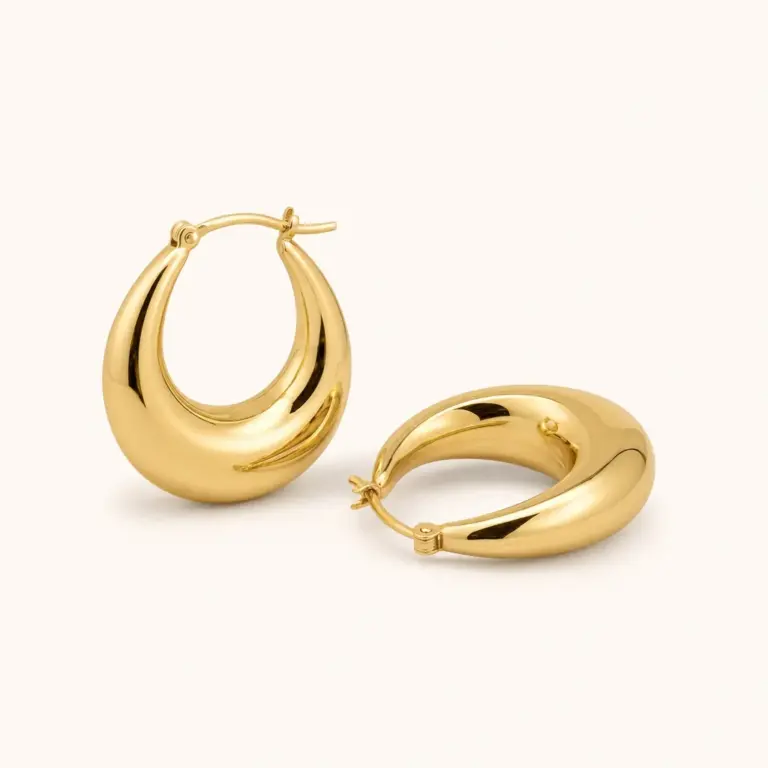
The LILIE&WHITE Chunky Gold Hoop Earrings have a stainless steel post with gold plating, and the listing says they are hypoallergenic. According to the listing, the diameter is three-quarters of an inch and each earring weighs 0.17 oz. They have a click-top closure and come with a pouch. We found no independent reviews of this item, so we can only describe what the listing says. Stainless steel is generally considered low-allergen, but ‘hypoallergenic’ is not a regulated term and is not a guarantee for everyone. The gold plating may wear over time with daily use. These suit someone looking for a small, lightweight hoop at a budget price level, but if you have a confirmed metal allergy, check the listing’s metal details carefully and consider consulting a dermatologist before wearing them.
PAVOI
PAVOI 14K Gold Plated Huggie Earrings
Best for Everyday stacking, gifts, second piercings
Gold plated huggie earrings with sterling silver posts, just under 14 mm in diameter, designed for everyday wear.
PAVOI
PAVOI 14K Gold Plated Chain Necklace
Best for Layering, everyday wear, gifts
A 14K gold plated chain necklace from PAVOI, available in several styles and adjustable length for layering or solo wear.
LILIE&WHITE
LILIE&WHITE Chunky Gold Hoop Earrings
Best for Everyday wear, gifts, minimalist jewelry fans
Small chunky gold hoops with a stainless steel post and gold plating, according to the listing.
As an Amazon Associate I earn from qualifying purchases. How we make money
Frequently asked questions
How long does gold plating last on jewelry?
Gold plating can last anywhere from a few months to a few years, depending on the thickness of the plating, how often you wear the piece, and how you care for it. Exposure to water, sweat, perfume, lotions and friction will cause the plating to wear away faster. To extend the life of gold plated jewelry, put it on last (after makeup and perfume), take it off before showering or exercising, and store it in a dry place away from other jewelry. Even with careful handling, the plating will eventually fade and may need to be re-plated or replaced.
Does sterling silver turn your skin green?
Sterling silver itself does not usually turn skin green, but the copper in the alloy (sterling silver is 92.5% silver) can sometimes react with your skin’s oils, sweat or lotions and leave a greenish mark. This is more common in humid conditions or if your skin is particularly acidic. The mark is harmless and washes off easily. To reduce the chance of discolouration, keep your sterling silver jewelry clean and dry, and remove it before exercising or applying lotion.
Is ‘hypoallergenic’ jewelry safe for everyone?
No. ‘Hypoallergenic’ has no regulated definition in jewelry, so it’s not a guarantee that the piece is safe for everyone. It usually means the brand believes the materials are less likely to cause an allergic reaction, often because they are nickel-free or made from metals like stainless steel, sterling silver or titanium. However, people can be allergic to many different metals, including copper, brass and even gold alloys. If you have a known metal allergy or sensitive skin, check the listing for the exact materials and consult a dermatologist before wearing new jewelry, especially in piercings.
Can I shower or swim with gold plated or sterling silver jewelry?
It’s best to remove both gold plated and sterling silver jewelry before showering, swimming or exercising. Water, chlorine, soap and sweat can cause gold plating to wear away faster and can accelerate tarnishing on sterling silver. If you forget occasionally, it’s not the end of the world, but making it a habit to take jewelry off before water exposure will help it last longer. Dry your jewelry thoroughly if it does get wet, and store it in a cool, dry place when you’re not wearing it.