How to Choose a Travel Bag That Keeps Valuables Close
Last updated: October 7, 2026
Cali's Cart is reader-supported. When you buy through our links we may earn a commission, at no extra cost to you. As an Amazon Associate I earn from qualifying purchases. Learn more
Keeping your passport, cards and cash secure while travelling doesn’t require a bulky money belt or complicated system. The right bag design puts valuables in pockets that stay close to your body, uses closures that can’t be easily opened by someone else, and organizes essentials so you’re not digging through everything in public. Whether you’re navigating airport security, riding crowded transit or exploring a new city, a well-designed travel bag lets you access what you need quickly while keeping the most important items protected.
This guide walks through the features that matter when choosing a bag for travel security: pocket placement and types, closure systems, RFID-blocking technology, size considerations and wearing options. We’ll also cover common mistakes and provide a practical checklist to help you evaluate bags before you buy. Remember that no bag can prevent theft entirely—smart habits like keeping your bag in front of you in crowds, using all zippers and closures, and carrying only what you truly need are just as important as the bag itself.
In short
- Look for bags with multiple compartments including hidden or back pockets that sit against your body when worn
- RFID-blocking card slots can help protect against electronic skimming, though no feature guarantees complete protection
- Consider adjustable straps that let you wear the bag crossbody or close to your chest in crowded areas
- Check the listing for closure types—zippers offer more security than open pockets or magnetic snaps
- Compact designs force you to carry only essentials, reducing both bulk and the risk of losing important items
Pocket placement and hidden compartments
The most secure pocket on any travel bag is one that sits against your body when you wear it. Back pockets—the kind that rest against your back or hip when you’re wearing a crossbody bag—keep valuables out of sight and harder for someone else to access without you noticing. When you’re evaluating a bag, check the listing photos and description to see where pockets are positioned and which ones would touch your body when worn.
Multiple compartments also help you organize items by importance and access frequency. You might keep your phone and a transit card in an easy-reach front pocket, your passport and backup cards in a hidden back pocket, and receipts or maps in a middle section. This organization means you’re not opening your main compartment repeatedly in public, which reduces both the time your bag is open and the chance of dropping something. Check the listing details for how many pockets a bag offers and what size items they’re designed to hold—some bags specify card slots, passport slots or coin pockets, while others just list zippered compartments without details.
Closure types and security features
Zippers provide more security than open pockets, magnetic snaps or drawstrings because they require deliberate action to open and close. When you’re looking at bag listings, note what type of closure each compartment uses. The most important pockets—wherever you plan to keep cards, cash and documents—should have zipper closures. Some bags also include features like tethered key clips with LED lights, which keep your keys attached inside the bag and make them easier to find without emptying everything out.
Anti-theft design elements can include lockable zippers, slash-resistant materials or wire-reinforced straps, though these features vary widely by brand and aren’t always specified in detail. If a listing mentions anti-theft design, look for specifics about what that means—whether it’s just the pocket placement and closures or additional material features. Keep in mind that these design elements add a layer of difficulty for opportunistic theft but aren’t foolproof, and your own awareness and habits remain the most important security factor.
RFID-blocking technology explained
RFID-blocking materials in card slots are designed to prevent electronic skimmers from reading the chips in your credit cards and passport from a distance. Many travel bags and wallets now include this feature in specific pockets or slots. According to the listings, RFID-blocking is typically built into card slots or passport compartments, not the entire bag. If this feature matters to you, check which pockets have RFID protection and whether that matches where you plan to keep your cards and documents.
It’s important to understand that RFID-blocking is a feature, not a guarantee of complete protection. The effectiveness can vary based on the materials used and how the pockets are constructed, and no listing or manufacturer can promise that electronic skimming is impossible. If you’re concerned about RFID security, consider it one element of your overall approach along with monitoring your accounts and knowing what protections your card issuers offer. For everyday organization and quick access to cards, look for how many card slots a bag or wallet provides and whether they’re in a convenient location.
Size, weight and what to carry
Compact bags naturally limit how much you can carry, which can be an advantage for security—the fewer items you have, the less you have to keep track of and the less time you spend with your bag open. When you’re checking a bag’s dimensions in the listing, think about your actual daily needs: passport or ID, one or two cards, phone, keys, and perhaps a small amount of cash. A bag that measures around the typical compact crossbody size holds these essentials without extra bulk.
Weight matters for comfort, especially if you’ll be wearing the bag for hours while sightseeing or travelling. Listings that specify weight give you a sense of whether the bag itself will add noticeable heft before you put anything in it. Lighter materials like nylon or faux leather keep the empty bag weight down, though you’ll want to check the care instructions—some materials require dry cleaning only, which may be inconvenient during extended travel. Always keep a separate copy of important documents (paper or digital) stored away from the originals you’re carrying.
Strap adjustability and wearing options
An adjustable strap lets you customize how the bag sits on your body and change the wearing position based on the situation. Some bags offer multiple wearing styles—crossbody, over one shoulder, across your chest, or even as a belt bag—by adjusting the strap length and position. Check the listing to see whether the strap is adjustable and what range of positions it allows. For security in crowded spaces, you want the option to wear the bag crossbody with the bag itself in front of you where you can see and feel it.
The strap attachment points also matter for how the bag hangs and whether it stays in place or swings around as you move. Listings don’t always detail this, so look closely at the product photos to see where the strap connects to the bag body. A bag that can be worn tight against your body and adjusted quickly as you move from open spaces to crowded transit gives you more control over your valuables throughout the day.
Common mistakes to avoid
One frequent mistake is choosing a bag based on capacity without considering access—a large main compartment might hold everything, but if you have to dig through it all to find your transit card or ID, you’ll be standing in public with your bag wide open repeatedly. Look for bags that separate quick-access items (front pockets) from valuables you only need occasionally (back or inner pockets). Another error is assuming that any bag labeled for travel will automatically have security features; always read the specific listing details about pockets, closures and materials rather than relying on general category descriptions.
Many people also overlook care requirements until after purchase. A bag that requires dry cleaning only can be impractical for travel, especially longer trips where you might need to clean it. Check the listing’s care instructions before you buy. Finally, don’t assume one size will work for everyone—some bags come in only one size, so you’ll need to check the dimensions and strap length range in the listing to confirm it will fit your body and hold what you need. If sizing information is unclear, check the listing’s size chart or contact the seller before ordering.
Quick checklist before you buy
Before you commit to a travel bag, work through this practical checklist using the product listing information:
- Pocket count and placement: Does it have at least one back or hidden pocket for valuables? Are there separate compartments for quick-access items versus secure storage?
- Closures: Do the most important pockets have zipper closures? Are there any open pockets where items could fall out?
- RFID protection: If you want this feature, which specific pockets have RFID-blocking, and is that where you’ll keep your cards and passport?
- Dimensions and weight: Check the measurements—will it hold your essentials without extra bulk? Is the weight specified, and is it comfortable for all-day wear?
- Strap adjustability: Can you adjust it to wear crossbody with the bag in front? What’s the strap length range?
- Materials and care: What is the bag made from, and what care does it require? Is that practical for your travel plans?
- Colour options: If the bag comes in multiple colours, choose one that won’t show dirt easily and suits your other travel gear.
Products to compare
Travelon Anti-Theft Classic Slim Crossbody
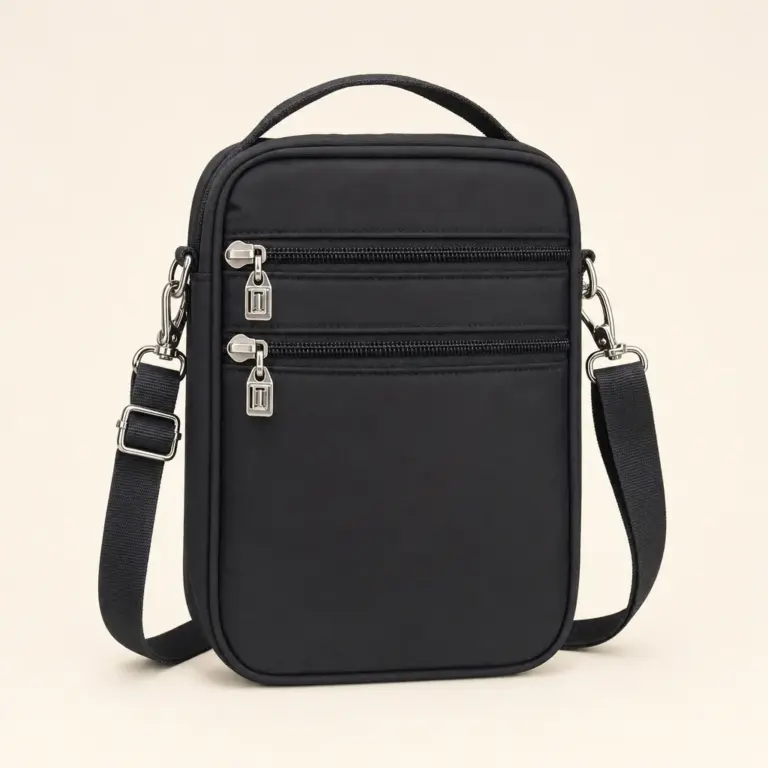
The Travelon Anti-Theft Classic Slim Crossbody offers RFID-blocking card and passport slots in the main compartment, along with two front zippered pockets for quick access and a rear snap-close pocket. According to the listing, it includes anti-theft design elements and a tethered key clip with an LED light inside. It comes in 14 colour options and one size, so check the listing for exact dimensions and strap length to confirm it will work for your needs. No independent reviews were found to confirm durability or quality, and the listing doesn’t specify materials or care instructions, so verify those details on the product page before ordering. This bag suits travellers who want organized card and document storage with multiple access points.
BOSTANTEN Small Crossbody Bag
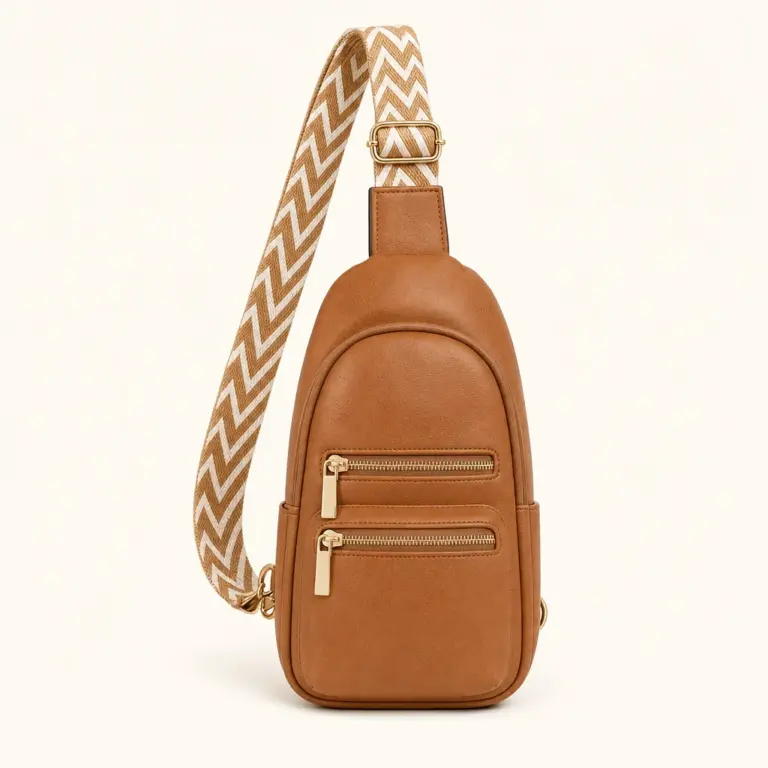
The BOSTANTEN Small Crossbody Bag is made from faux leather (100% polyester) with a nylon lining and weighs 0.66 lbs. According to the listing, it has a main zip pocket with five card slots and an inner zipper pocket, plus a hidden back zipper pocket for valuables. The adjustable strap allows four wearing positions: crossbody, sling, chest or shoulder. Parade covered BOSTANTEN crossbodies at the brand level. This bag requires dry cleaning only and comes in one size with 16 colour options. It suits those who want a lightweight, compact bag with multiple wearing options and a hidden back pocket, though it’s faux leather rather than genuine and the care requirement may be inconvenient for some travellers.
Airkit Small RFID Wallet
The Airkit Small RFID Wallet is a bifold compact wallet made from faux leather with 10 RFID-blocking card slots, four clear ID windows (two detachable), a zippered coin pocket, two receipt slots and a bill compartment. BGR listed Airkit among reliable RFID wallet brands at the brand level. According to the listing, it comes in 29 colour options and one size at a budget price level. Keep in mind that RFID blocking is a feature, not a guarantee of complete protection. This wallet suits everyday carry and travel for those who want organized card storage with RFID protection at an affordable price point, though it’s faux leather rather than genuine.
Travelon
Travelon Anti-Theft Classic Slim Crossbody
Best for Travel, city trips, keeping cards and documents organized
A slim crossbody bag with RFID-blocking slots, multiple pockets and anti-theft features for travel and city outings.
BOSTANTEN
BOSTANTEN Small Crossbody Bag
Best for Hands-free daily errands and travel with valuables secure
A compact crossbody with multiple pockets, adjustable strap, and a hidden back pocket for valuables.
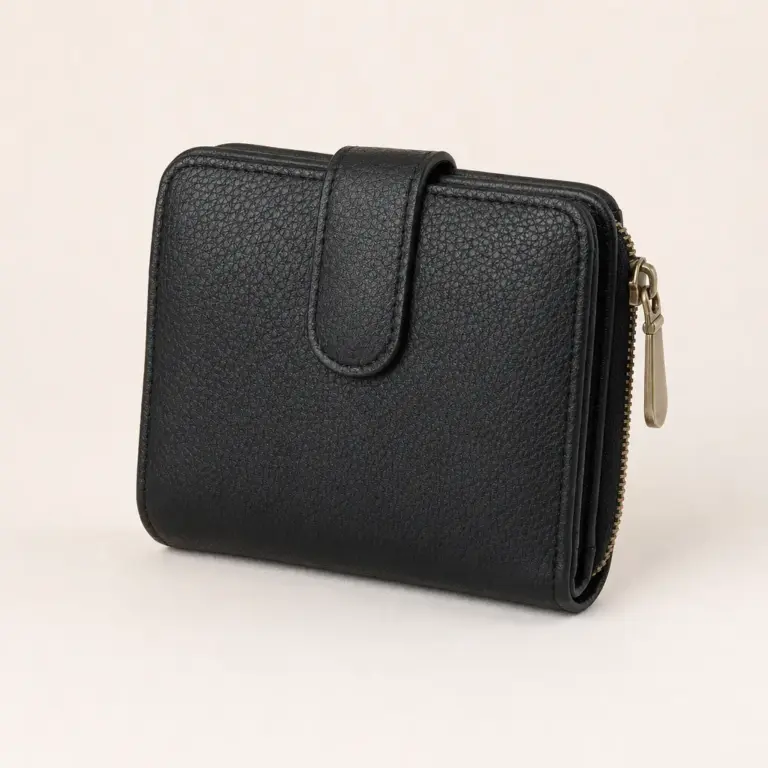
Airkit
Airkit Small RFID Wallet
Best for Everyday carry, travel and gift giving
A compact bifold wallet with RFID blocking, 10 card slots, 4 ID windows and a zippered coin pocket.
As an Amazon Associate I earn from qualifying purchases. How we make money
Frequently asked questions
What’s the most secure way to carry a crossbody bag in crowds?
Wear the bag crossbody with the strap across your chest and the bag itself positioned in front of your body where you can see it and keep one hand on it if needed. This position makes it much harder for someone to access your bag without you noticing. Keep all zippers closed and use any security closures the bag offers. In very crowded situations like packed transit or festivals, you can also swing the bag around to your front and hold it against your chest.
Do I really need RFID blocking in my travel bag?
RFID blocking can help protect against electronic skimming of the chips in credit cards and passports, though the actual risk level is debated and no feature guarantees complete protection. If you want this feature, look for bags or wallets that specify RFID-blocking materials in the card and passport slots. Whether you choose RFID protection or not, monitoring your accounts regularly and knowing your card issuer’s fraud protections remain important security practices.
How do I know if a bag’s dimensions will work for my essentials?
Check the listing for measurements (usually given as width x height x depth) and compare them to the items you plan to carry. If dimensions aren’t listed, check for a size chart on the product page or contact the seller before ordering.
Should I choose a bag with one large compartment or multiple small pockets?
Multiple pockets help you organize items by importance and access frequency, which means you’re not opening your main compartment repeatedly in public. Look for at least three pocket types: a quick-access front pocket for items you need often (transit card, phone), a secure back or hidden pocket for valuables (passport, backup cards, cash), and a middle compartment for everything else. This organization reduces the time your bag is open and makes it easier to find what you need without exposing all your belongings.