How to Care for Knitwear: Washing, Drying and Pilling
Last updated: October 7, 2026
Cali's Cart is reader-supported. When you buy through our links we may earn a commission, at no extra cost to you. As an Amazon Associate I earn from qualifying purchases. Learn more
Knitwear—from cable-knit cardigans to sweater dresses and cozy scarves—adds warmth and texture to your fall and winter wardrobe. But knit fabrics, whether made from natural fibres or synthetics like acrylic and polyester, need special care to stay soft, maintain their shape and resist pilling. Washing a knit sweater the wrong way can lead to shrinkage, stretching or fuzzy fabric, so understanding the basics of knitwear care helps you protect your investment and keep your favourite pieces looking fresh season after season.
This guide walks you through washing, drying, storing and de-pilling knit garments and accessories. We researched common care practices and drew on the care instructions provided by brands like PRETTYGARDEN, SAMPEEL, FURTALK and YANIBEST to give you practical, step-by-step advice. Whether you’re caring for a cable-knit cardigan, a sweater dress or a satin-lined beanie, these tips will help you extend the life of your knitwear and keep it looking its best.
In short
- Always check the care label first—many knits require hand washing in cool water with gentle detergent to prevent shrinkage and damage.
- Never wring or twist wet knitwear; press water out gently with a towel and dry flat on a clean surface to maintain the original shape.
- Remove pills with a fabric shaver or sweater comb, and store folded (not hung) in a cool, dry place to prevent stretching.
Always start with the care label
The care label sewn into your knit garment is your most reliable guide. It tells you whether the item can be machine washed or must be hand washed, what water temperature to use, and whether it can be tumble dried or should be laid flat. Ignoring these instructions can result in a shrunken sweater or a stretched-out hem, so take a moment to read the label before you wash.
For example, the PRETTYGARDEN Cable Knit Cardigan specifies hand wash only, while the SAMPEEL Long Sleeve Sweater Dress allows machine washing in cold water. The FURTALK Pashmina-Style Wrap Scarf and YANIBEST Satin-Lined Beanie both call for hand washing in cold water. If the label is missing or unclear, default to the gentlest method: hand wash in cool water and lay flat to dry.
How to hand wash knitwear
Hand washing is the safest method for most knit garments, especially those made from delicate fibres or with intricate construction like cable knits. Fill a clean basin or sink with cool water and add a small amount of gentle detergent designed for delicates or wool (even if your knit is acrylic or a synthetic blend, a mild detergent will be kinder to the fabric). Submerge the garment and gently press it down to saturate the fibres, then swirl it gently in the water for a minute or two. Avoid rubbing, scrubbing or twisting, which can distort the knit structure.
Drain the soapy water and refill the basin with clean, cool water to rinse. Press the garment gently to release the suds, then drain and repeat until the water runs clear. Never lift a wet knit garment by the shoulders or hem—support the entire weight with both hands to prevent stretching. Once rinsed, press the garment gently against the side of the basin to remove excess water, but do not wring or twist.
Machine washing: when and how
Some knitwear, particularly pieces made from synthetic blends, can be machine washed if the care label permits. The SAMPEEL sweater dress, for instance, is made from 70% polyester, 25% rayon and 5% spandex, and the listing says it can be machine or hand washed in cold water. When machine washing knits, always use the gentle or delicate cycle, cold water and a mild detergent. Place the garment inside a mesh laundry bag to protect it from snagging or excessive agitation.
Skip the fabric softener, which can leave a residue on synthetic fibres and reduce their breathability. Once the cycle is complete, remove the garment promptly to prevent wrinkles and proceed to drying. Even machine-washable knits should never go in the dryer unless the care label explicitly allows it—heat can cause shrinkage and damage the fabric’s elasticity.
Drying knitwear the right way
Proper drying is just as important as proper washing. The golden rule for knitwear is to dry flat, which means laying the garment on a clean, dry towel on a flat surface, away from direct heat or sunlight. After you’ve pressed out excess water (never wrung it), lay the garment on the towel and gently reshape it to its original dimensions, smoothing out any wrinkles or folds. Roll the towel up with the garment inside and press down to absorb more moisture, then unroll and transfer the garment to a fresh, dry towel or a mesh drying rack.
Let the garment air dry completely, which may take several hours or overnight depending on the thickness of the knit and the humidity in your home. Flip it over halfway through drying to ensure even air circulation. Never hang a wet knit garment on a hanger or clothesline—the weight of the water will stretch the shoulders and distort the shape. The SAMPEEL sweater dress listing suggests hanging or line drying, but for best results with knit fabrics, laying flat is safer. The FURTALK scarf should also be laid flat to dry, as the listing specifies.
Preventing and removing pilling
Pilling—those small, fuzzy balls that form on the surface of knit fabric—is a common issue, especially with acrylic and synthetic knits. The PRETTYGARDEN cardigan, for example, is 100% acrylic and may require careful handling to prevent pilling, according to the listing. Pilling occurs when loose fibres rub together during wear or washing, so minimizing friction helps reduce it. Turn garments inside out before washing, use a gentle cycle or hand wash, and avoid overloading the washing machine.
When pills do appear, remove them with a fabric shaver (an electric tool that gently shaves off the fuzz) or a sweater comb (a fine-toothed tool you drag across the fabric). Work gently and in one direction to avoid damaging the underlying knit. Regular de-pilling keeps your knitwear looking fresh and can extend its lifespan. Store knits folded rather than hung to reduce friction against other garments in your closet.
Storing knitwear to maintain shape
How you store your knitwear between wears matters. Heavy knit sweaters and cardigans should always be folded and placed on a shelf or in a drawer—hanging them on a hanger will stretch the shoulders and create unsightly bumps. Fold along the natural lines of the garment (such as the centre front of a cardigan) and stack items loosely to allow air circulation. If you’re storing knitwear for the season, make sure each piece is clean and completely dry first; any residual moisture or soil can attract moths or cause mildew.
For long-term storage, consider placing cedar blocks or lavender sachets in your drawer or storage box to deter moths, which are attracted to natural fibres but can also damage synthetics. Avoid plastic bags, which trap moisture—use breathable cotton storage bags or simply keep items in a cool, dry closet. The YANIBEST beanie and FURTALK scarf, being smaller knit accessories, can be folded and tucked into a drawer or bin alongside your seasonal wardrobe.
Common mistakes to avoid
One of the most common mistakes is using hot water or high heat, which can cause knits to shrink, lose elasticity or become misshapen. Always use cool or lukewarm water for washing and avoid the dryer unless the care label explicitly permits it. Another mistake is wringing or twisting wet knitwear to remove water—this distorts the fabric and can stretch seams. Instead, press the water out gently or roll the garment in a towel.
Hanging wet or even dry heavy knits is another pitfall. The weight of the fabric pulls on the shoulders and neckline, creating permanent stretching. Finally, don’t skip the step of checking the care label or assume all knits can be treated the same way. A 100% acrylic cardigan like the PRETTYGARDEN piece requires hand washing, while a polyester-blend sweater dress like the SAMPEEL may tolerate a gentle machine cycle. Treating each garment according to its specific needs will give you the best results.
Quick checklist before you buy
Before you add a new knit piece to your wardrobe, consider the care requirements and whether they fit your lifestyle. Here’s a quick checklist:
Taking a few minutes to review these details before you buy will help you choose knitwear that suits both your style and your care routine. For more inspiration on building a versatile fall and winter wardrobe, explore our guides on fall wardrobe basics and winter-ready accessories.
- Check the care label or listing: Does it require hand washing, or can it be machine washed? If you don’t have time for hand washing, look for machine-washable options like the SAMPEEL sweater dress.
- Look at the fabric content: Natural fibres like wool and cashmere are warm and breathable but often need gentle care. Synthetics like acrylic and polyester (found in the PRETTYGARDEN cardigan, SAMPEEL dress, FURTALK scarf and YANIBEST beanie) are typically more affordable and easier to care for, but may pill more readily.
- Consider the construction: Cable knits, ribbed edges and intricate patterns can be more delicate and may require extra care to maintain their shape.
- Think about storage: Do you have shelf space to fold heavier knits, or will you be tempted to hang them and risk stretching?
- Read the size chart on the listing: Knitwear fit can vary, and fit varies from piece to piece. Check the measurements and sizing guidance before you order.
Products to compare
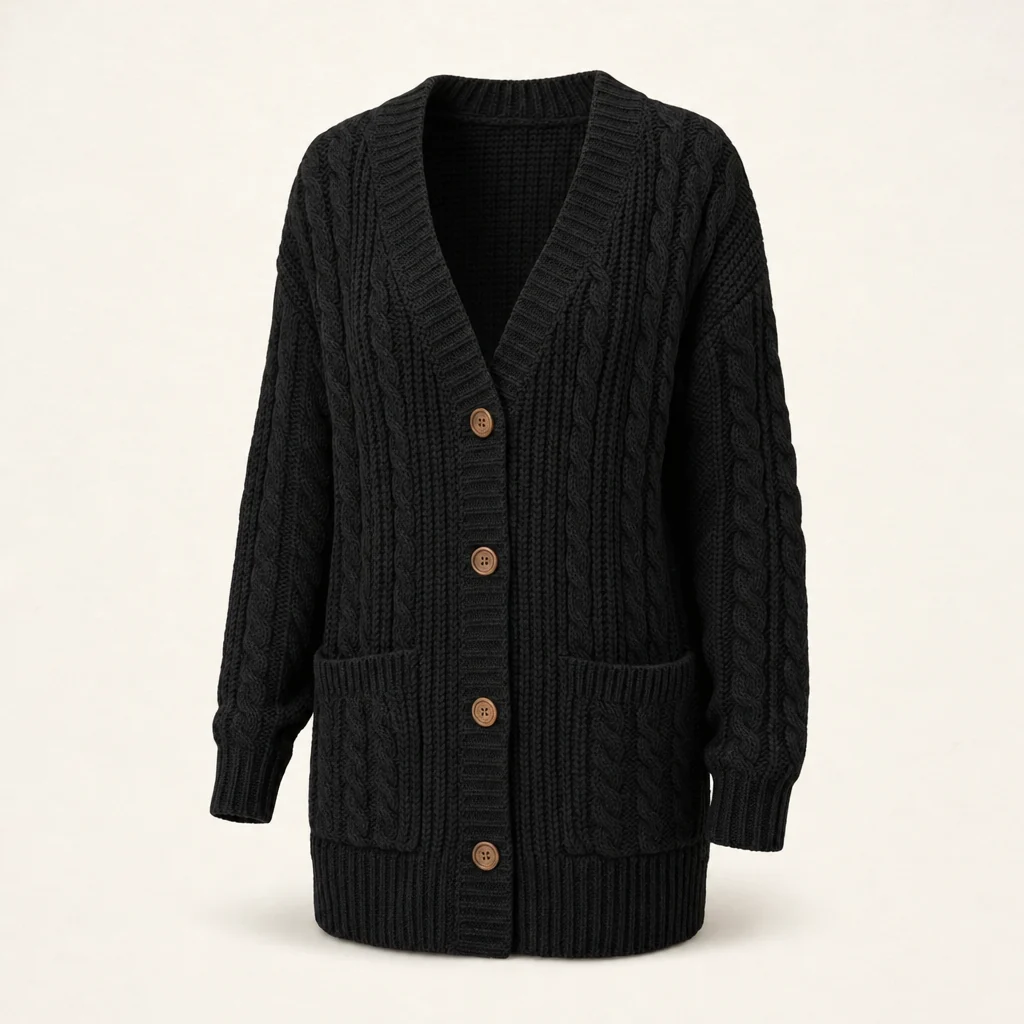
PRETTYGARDEN Cable Knit Cardigan
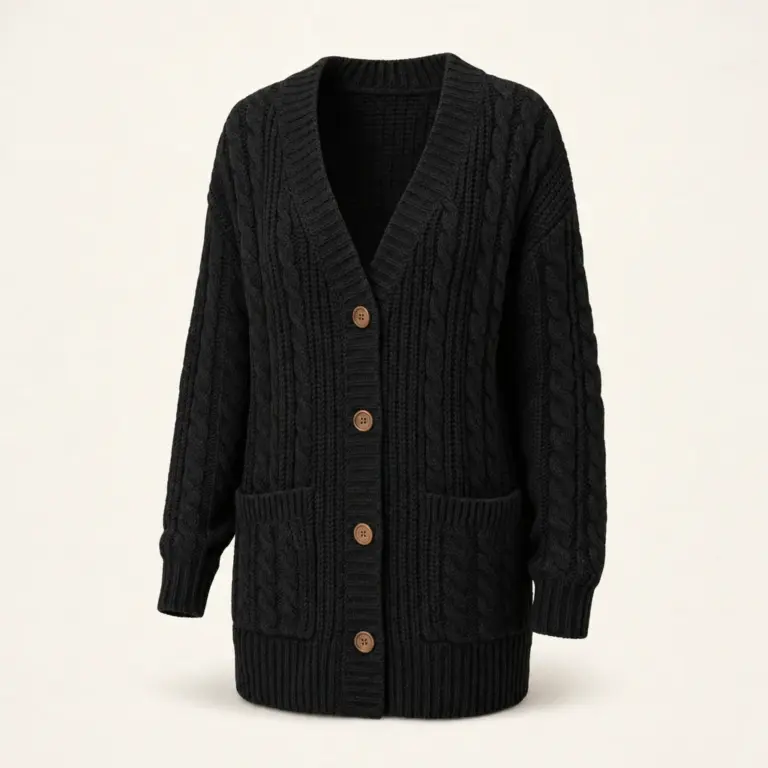
The PRETTYGARDEN Cable Knit Cardigan is made from 100% acrylic and features cable-knit construction with twist patterns, a button-down front and wide ribbed edges at the cuffs and hem. According to the listing, it has a loose fit and is available in 30 colour options and sizes S to XL. The brand specifies hand wash only, so this cardigan suits shoppers who are comfortable with hand washing and want a variety of colour choices. NBC Select featured a PrettyGarden cable-knit sweater in its fall-sweaters-from-Amazon roundup, though that may not be this exact cardigan. The listing notes that sizing can be inconsistent and the piece may require careful handling to prevent pilling, so check the size chart on the product page before ordering.
SAMPEEL Long Sleeve Sweater Dress
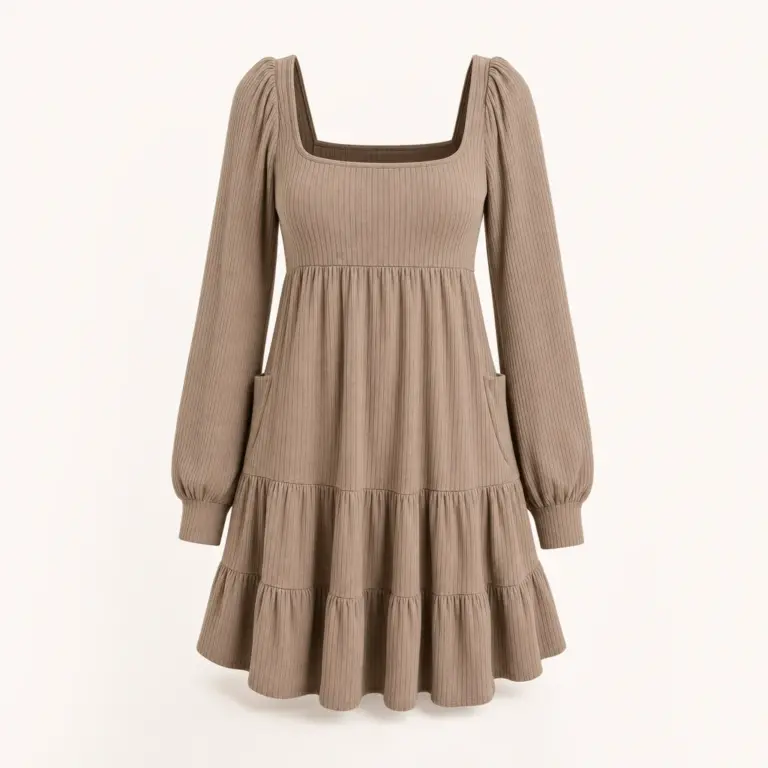
The SAMPEEL Long Sleeve Sweater Dress has a square neckline, long sleeves and an above-knee A-line silhouette with side pockets. It’s made from 70% polyester, 25% rayon and 5% spandex, and the listing says it can be machine or hand washed in cold water, then hung or line dried (though laying flat is gentler for knit fabrics). Available in 10 colours and sizes S to XXL, this dress suits shoppers looking for a machine-washable knit option for dressy-casual fall and winter occasions. The listing notes that the dress may arrive wrinkled from vacuum packaging, and we found no independent reviews to verify fit or quality, so refer to the size chart and listing details before purchasing.
FURTALK Pashmina-Style Wrap Scarf
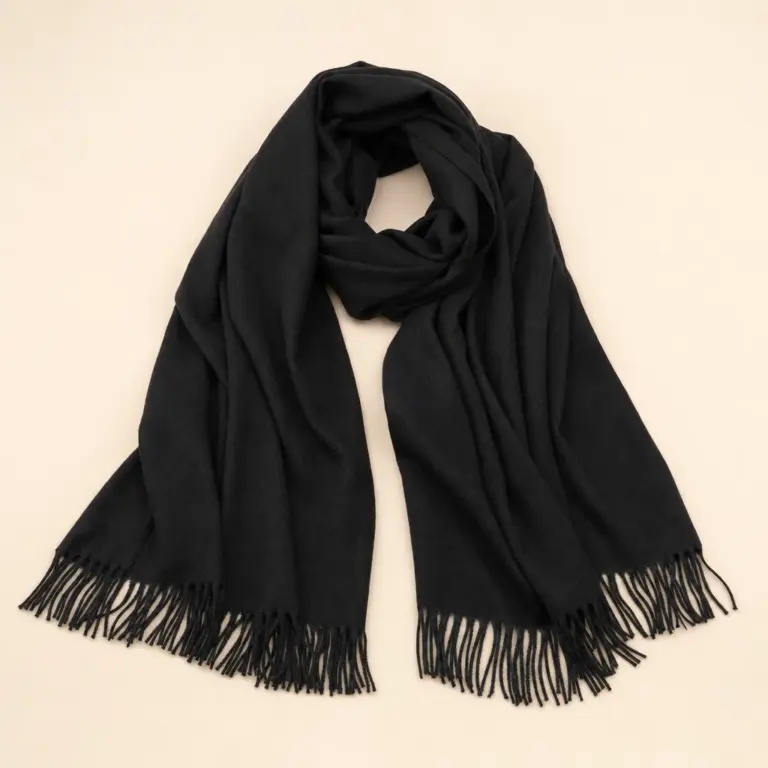
The FURTALK Pashmina-Style Wrap Scarf is a 70% polyester, 30% viscose blend in a one-size-fits-most design. The listing markets it for weddings, evening wear and travel, and it’s available in 12 colour options. The brand specifies hand washing in cold water and laying flat to dry. This scarf suits shoppers who want a large, lightweight wrap that folds compactly for travel and are comfortable with hand-wash care. Note that it is not real cashmere or pashmina wool—it’s a synthetic blend—and we found no independent reviews to verify quality or durability, so check the listing for full details.
YANIBEST Satin-Lined Beanie
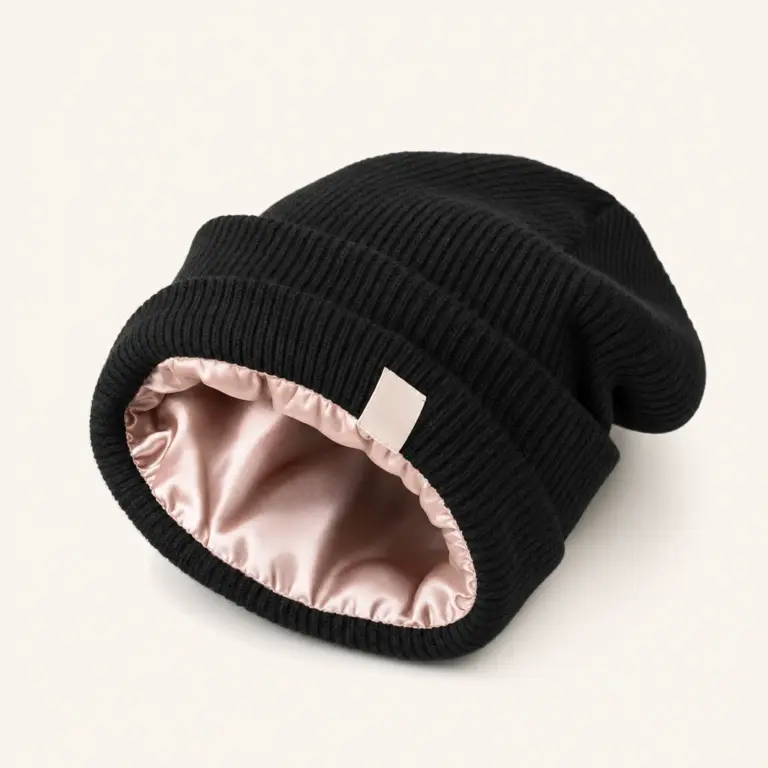
The YANIBEST Satin-Lined Beanie has a 100% acrylic knit exterior with a satin interior lining, designed in a slouchy cuffed style with a pull-on closure. According to the listing, it is intended for head circumferences of 57 cm to 59 cm. It’s available in 23 colour options and requires hand washing only. This beanie suits winter wear and shoppers looking for a satin-lined option to reduce friction on hair, though the satin lining may feel slippery for some wearers. The one-size stretch fit may not suit all head sizes, and we found no independent reviews, so refer to the listing for measurements and care details.
PRETTYGARDEN
PRETTYGARDEN Cable Knit Cardigan Review
Best for Fall layering over tees and tanks
A cable-knit acrylic cardigan with button closure and wide ribbed edges, available in 30 colour options.
SAMPEEL
SAMPEEL Long Sleeve Sweater Dress
Best for Dressy-casual fall and winter occasions
A square-neck sweater dress with pockets and long sleeves, made from a polyester-rayon-spandex blend.
FURTALK
FURTALK Pashmina-Style Wrap Scarf
Best for Wedding guests, travel layers, evening drape
A polyester-viscose blend wrap scarf designed for weddings, travel and layering over evening or everyday outfits.
YANIBEST
YANIBEST Satin-Lined Beanie
Best for Winter wear, those looking for a satin-lined hat option
An acrylic beanie with a satin lining, designed as a slouchy cuffed winter hat in one size.
As an Amazon Associate I earn from qualifying purchases. How we make money
Frequently asked questions
Can I put knitwear in the dryer?
Most knitwear should not go in the dryer, as heat can cause shrinkage and damage the fabric’s elasticity. Always check the care label first—some synthetic-blend knits may tolerate low heat, but the safest method is to lay the garment flat on a clean towel and air dry it away from direct heat or sunlight. This preserves the shape and prevents stretching.
How do I stop my knit sweater from pilling?
To minimize pilling, turn garments inside out before washing, use a gentle cycle or hand wash in cool water, and avoid overloading the washing machine. When pills do form, remove them with a fabric shaver or sweater comb, working gently in one direction. Store knits folded rather than hung to reduce friction, and handle acrylic and synthetic knits with extra care, as they tend to pill more readily than natural fibres.
Should I hang or fold my knit cardigan?
Always fold heavy knit cardigans and sweaters rather than hanging them. Hanging puts stress on the shoulders and can cause the garment to stretch out of shape. Fold the cardigan along its natural lines and store it on a shelf or in a drawer. Lighter knit pieces, like thin sweater dresses, can sometimes be hung on padded hangers, but folding is still the safer choice for maintaining the original shape.
What’s the difference between hand wash and machine wash for knits?
Hand washing is gentler and gives you more control over the process, making it the best choice for delicate or intricately constructed knits like cable-knit cardigans. Machine washing on a gentle cycle in cold water is faster and works well for sturdier synthetic-blend knits, but always use a mesh laundry bag and check the care label first. Both methods require laying the garment flat to dry for best results.