How to Layer for Fall in Canada: Rain Shell, Softshell or Puffer
Last updated: October 7, 2026
Cali's Cart is reader-supported. When you buy through our links we may earn a commission, at no extra cost to you. As an Amazon Associate I earn from qualifying purchases. Learn more
Canadian fall weather shifts without warning. A sunny morning walk can turn into a windswept afternoon commute, and a mild September day can give way to near-freezing temperatures by October. Layering lets you adapt on the go, and the key is understanding which outer layer—rain shell, softshell or puffer—suits the conditions you’ll actually face.
We researched the differences between these three jacket types and the practicalities of fall layering across the country. This guide walks through how each layer works, when to reach for which outer shell, and what to look for before you commit to a purchase.
In short
- Fall layering in Canada means a base layer, insulating mid layer, and weather-resistant outer shell that adapts to rapid temperature and precipitation changes.
- Rain shells block moisture but offer no warmth; softshells resist wind and light rain with some insulation; puffers provide warmth but need a shell over top in steady rain.
- Check the forecast daily and choose your outer layer based on whether you’ll face rain, wind, cold or all three—and whether you’ll be active or stationary.
Understanding the three-layer system
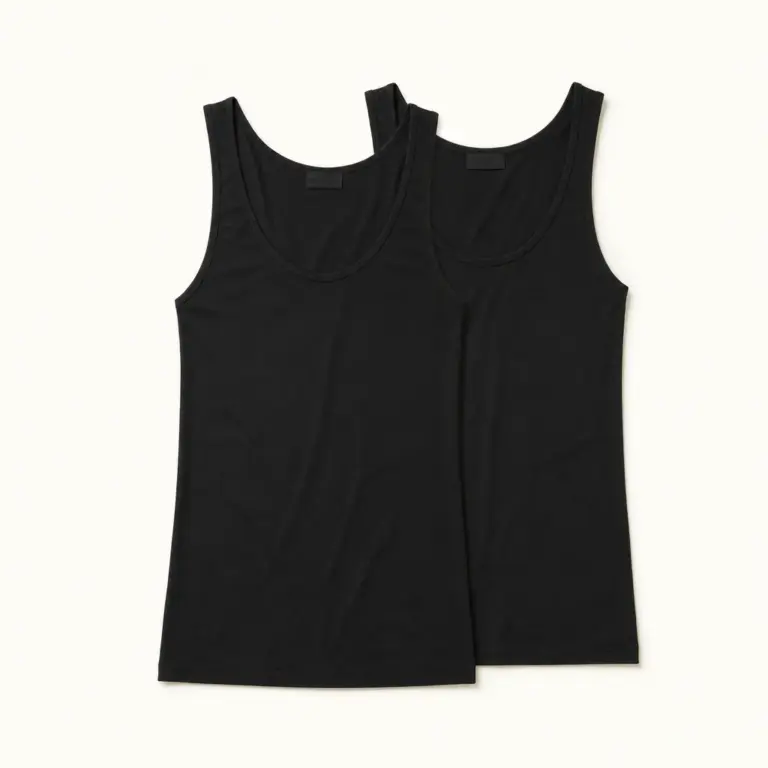
The three-layer system is a flexible framework: a base layer next to your skin manages moisture, a mid layer insulates, and an outer layer shields you from wind and precipitation. The base layer is typically a fitted tee or tank that wicks sweat away from your skin. The Amazon Essentials Slim-Fit Tank, for example, is made from a 58 per cent cotton, 39 per cent modal and 3 per cent spandex blend according to the listing, and Bustle named it a pick for layering tanks in its undershirt roundup.
Your mid layer provides warmth without bulk. A fleece pullover, merino sweater or lightweight down vest traps body heat while allowing moisture to escape. In milder fall weather, you may skip the mid layer entirely and wear just a base and outer shell. The outer layer is where rain shells, softshells and puffers differ most, and choosing the right one depends on whether you prioritize waterproofing, breathability, warmth or packability.
When to choose a rain shell
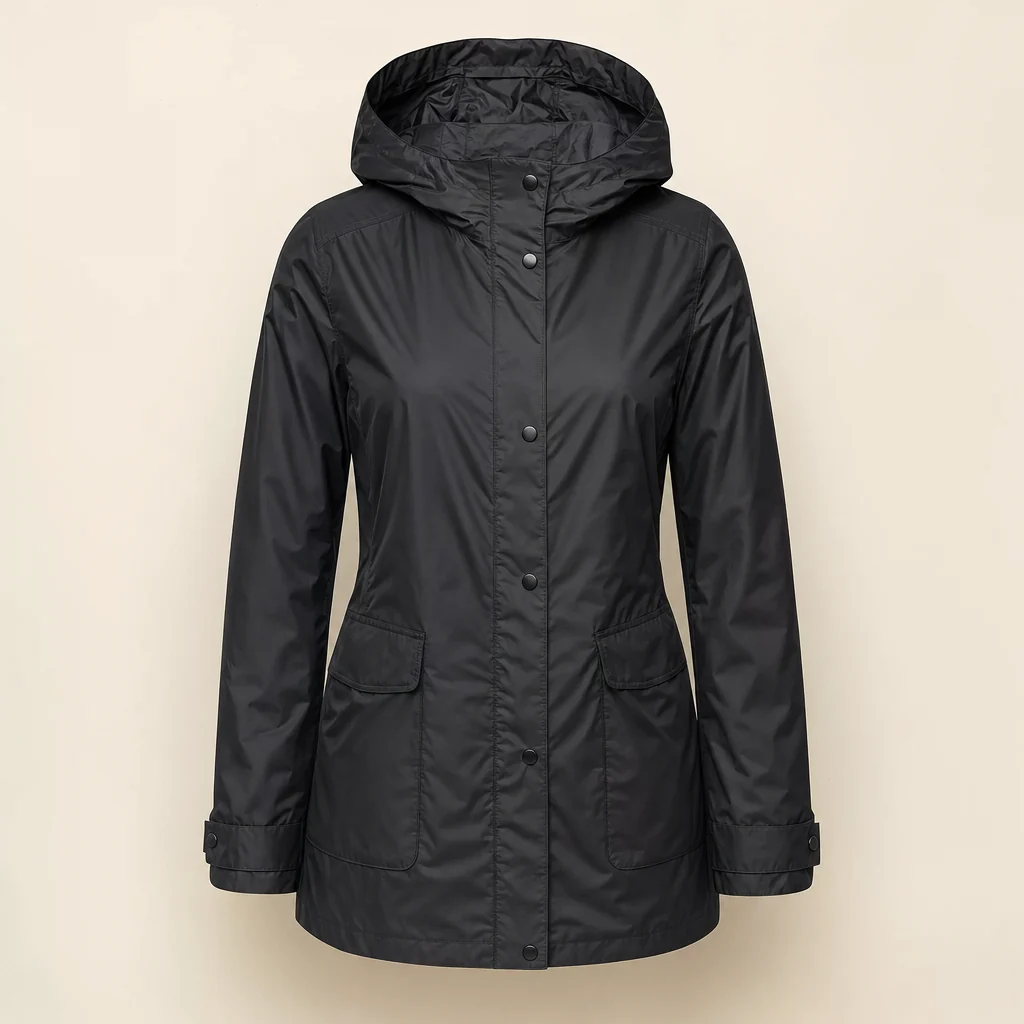
A rain shell is a lightweight, waterproof jacket with no insulation. It blocks rain and wind but provides no warmth on its own, so you’ll layer a fleece or sweater underneath when temperatures drop. Rain shells are ideal for wet fall days, commutes and travel because they pack small and dry quickly. The Columbia Arcadia II Rain Jacket uses Omni-Tech waterproof-breathable technology according to the brand, and the listing describes a two-layer nylon shell with polyester mesh lining. One of the zippered hand pockets doubles as a stuff sack, so the jacket packs into itself.
Wirecutter made the Arcadia II a top pick in its everyday rain jacket review, noting that it repelled water as well as jackets costing far more and offered the most sizes and colours of its picks. The independent review also pointed out that the jacket has no armpit zips for venting, and the hood runs on the small side. If you’ll be hiking or doing high-output activities, the lack of ventilation may be a drawback. For commuting, errands and light rain in unpredictable weather, a packable rain shell is a practical choice. Always check the size chart on the listing for fit details, and be prepared to layer a warm mid layer underneath when the temperature drops.
When to choose a softshell
Softshells are stretchy, wind-resistant jackets with some water resistance and built-in insulation. They’re more breathable than rain shells and more flexible than puffers, making them a good choice for active fall days when you’ll be moving outdoors. The 33,000ft Fleece-Lined Softshell Jacket features three-layer construction with a TPU membrane and fleece lining throughout, according to the listing. The fabric is 96 per cent polyester and 4 per cent spandex, and the jacket includes a stand-up collar, adjustable hood, three zippered pockets (two hand, one arm), inner cuffs and adjustable hem drawcords.
The listing describes the jacket as offering waterproof performance, but we found no independent reviews to verify that claim. Softshells are typically water-resistant rather than fully waterproof, so expect them to handle light rain and snow but not sustained downpours. If heavy rain is forecast, a rain shell is the safer choice. The fleece lining in this jacket provides warmth without the bulk of a puffer, and the adjustable hood and inner cuffs help seal out wind. The listing notes 18 colour options and sizes from XS to 3XL, and the jacket is machine washable. Check the size chart carefully, as sizing varies according to cited summaries, and some wearers may find the wrists feel tight.
When to choose a puffer
Puffers are insulated jackets filled with down or synthetic material. They trap body heat efficiently and pack down small, making them ideal for travel and layering on cold, dry fall days. The Amazon Essentials Packable Puffer Jacket has a water-resistant polyester shell and 100 per cent polyester fill, and it packs into an included drawstring carrying bag according to the listing. The jacket features contoured seams for a fitted silhouette, zip pockets, elasticized cuffs and a stand-up collar. TheStreet covered this jacket in a shopping article, and the listing describes it as a lightweight puffer suitable for fall and layering.
Because the fill is lightweight, this jacket is not designed for deep Canadian winter or very cold conditions. If you need core warmth in November or December, you’ll want a heavier coat with more insulation. The fitted shape may also limit how much you can layer underneath, so check the size chart on the listing if you plan to wear bulky sweaters. Puffers are less effective in steady rain because the fill can clump when wet, even with a water-resistant shell. If rain is likely, wear a rain shell over your puffer or choose the rain shell on its own with a warm mid layer underneath.
Layering a vest for core warmth
A puffer vest adds core insulation without restricting your arms, and it layers easily under a rain shell or softshell when temperatures drop. The Amazon Essentials Packable Puffer Vest features lightweight quilted construction with a water-resistant finish, contoured seams for a fitted shape, a stand-up collar, elasticized cuffs and zip pockets, according to the listing. The vest packs into an included drawstring carrying bag and is machine washable.
We found no independent reviews to verify fit or warmth, so rely on the listing details and size chart. The fitted seaming may limit how much you can layer underneath, and the polyester shell may not breathe well during high-activity outings. Vests work well over long-sleeve tees or lightweight sweaters on mild fall days, and they’re easy to stash in a bag when you warm up. They’re not a substitute for a full jacket in heavy winter cold or as a standalone outer layer in wind and rain.
Common mistakes to avoid
One of the most common layering mistakes is wearing cotton as a base layer. Cotton absorbs moisture and stays wet, leaving you clammy and cold. Choose synthetic blends, merino wool or modal-cotton blends with a bit of spandex for stretch and moisture management. Another mistake is overdressing. If you’re warm standing still, you’ll overheat once you start moving. Dress so you feel slightly cool at the start of a walk or commute, and let your body heat warm you up.
Many people also choose their outer layer based on temperature alone and ignore precipitation. A puffer keeps you warm on a dry, cold day, but it won’t keep you dry in rain. Check the forecast for both temperature and precipitation, and pick your shell accordingly. Finally, don’t assume a jacket will fit the same way across brands or even across styles within the same brand. Always consult the size chart on the listing, and consider how much room you’ll need for mid layers underneath.
Quick checklist before you buy
Before you commit to a rain shell, softshell or puffer, ask yourself these questions:
- What weather will I face most often—rain, wind, cold or a mix of all three?
- Will I be active (walking, hiking, cycling) or mostly stationary (commuting, standing outside)?
- Do I need the jacket to pack down small for travel or storage?
- How much room do I need underneath for mid layers like fleeces or sweaters?
- Can I machine wash it, or does it require special care?
- Does the listing provide a size chart, and does it match my measurements?
Products to compare
Columbia Arcadia II Rain Jacket
The Columbia Arcadia II Rain Jacket suits commuters, travellers and anyone who needs reliable rain protection without bulk. According to Wirecutter, it repelled water as well as jackets costing far more and offered the most sizes and colours of its picks. The listing describes Omni-Tech waterproof-breathable technology, a 100 per cent nylon shell with polyester mesh lining, an adjustable storm hood and drawcord hem, and a hand pocket that doubles as a stuff sack. The jacket is machine washable and available in dozens of colours and extended sizes. Wirecutter noted that it has no armpit vents for high-output activities and the hood runs on the small side, so it’s best for everyday rain rather than intense hiking. Check the size chart on the listing for fit details.
33,000ft Fleece-Lined Softshell Jacket
The 33,000ft Fleece-Lined Softshell Jacket is designed for cold, windy days and outdoor walks. The listing describes three-layer construction with a TPU membrane, fleece lining throughout, a stand-up collar, adjustable hood, three zippered pockets (two hand, one arm), inner cuffs and adjustable hem drawcords. The fabric is 96 per cent polyester and 4 per cent spandex, and the jacket is machine washable. It’s available in 18 colour options and sizes XS to 3XL. We found no independent reviews to verify the waterproof claim, and softshells are typically water-resistant rather than fully waterproof, so this jacket is better suited to light rain and snow than sustained downpours. Sizing varies according to cited summaries, and some wearers may find the wrists feel tight, so check the size chart carefully.
Amazon Essentials Packable Puffer Jacket
The Amazon Essentials Packable Puffer Jacket suits fall layering, travel and mild cool-weather days. The listing describes a water-resistant polyester shell, 100 per cent polyester fill, contoured seams for a fitted silhouette, zip pockets, elasticized cuffs and a stand-up collar. The jacket packs into an included drawstring carrying bag and is machine washable. TheStreet covered this jacket, and the listing notes it’s available in 21 colours and sizes XS to 6X. Because the fill is lightweight, it’s not designed for deep Canadian winter or very cold conditions—you’ll need a heavier coat for that. The fitted shape may limit layering underneath, so check the size chart if you plan to wear bulky sweaters. In steady rain, wear a rain shell over the puffer or choose a rain shell with a warm mid layer instead.
Amazon Essentials Packable Puffer Vest
The Amazon Essentials Packable Puffer Vest is designed for layering over knits and long sleeves in mild weather. The listing describes lightweight quilted construction with a water-resistant finish, contoured seams for a fitted shape, a stand-up collar, elasticized cuffs, zip pockets and an included drawstring carrying bag. The vest is made from 100 per cent polyester and is machine washable. We found no independent reviews to verify fit or warmth, so check the size chart on the listing. The fitted seaming may limit layering underneath, and the polyester shell may not breathe well during activity. This vest is not a substitute for a full jacket in heavy winter cold or as a standalone outer layer in wind and rain, but it’s a practical option for adding core warmth without restricting your arms.
Amazon Essentials Slim-Fit Tank
The Amazon Essentials Slim-Fit Tank works well as a base layer under cardigans, blazers and hoodies. The listing describes a 58 per cent cotton, 39 per cent modal and 3 per cent spandex blend with a slim fit designed to hug the body, an open scoop neckline, thin tank straps and double needle stitching. Bustle named it a pick for layering tanks in its undershirt roundup. The tank is machine washable and available in 43 colours and sizes XS to XXL. The slim fit may not suit all body types or preferences, so check the size chart carefully for fit expectations. The cotton-modal blend with added stretch offers softness and flexibility for all-day wear.
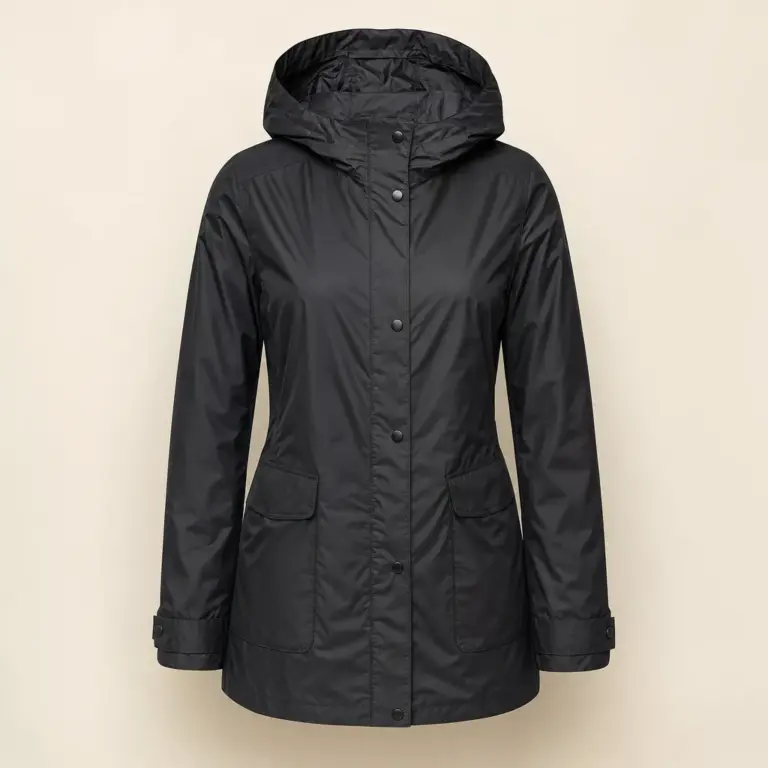
Columbia
Columbia Arcadia II Rain Jacket Review
Best for Commuting, travel, and light rain in unpredictable weather
A packable nylon rain shell with waterproof Omni-Tech technology, mesh lining, and adjustable features in dozens of colours.
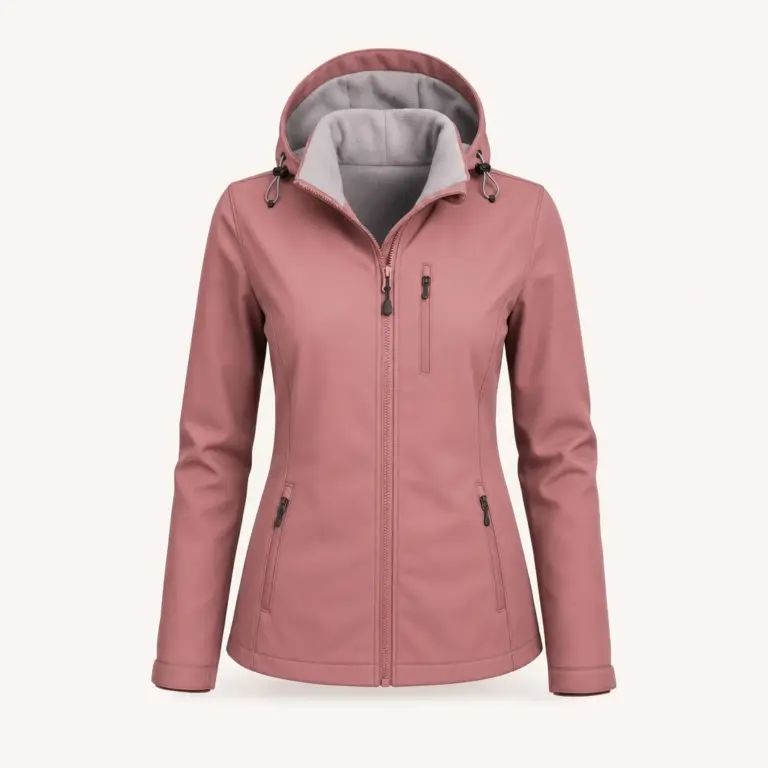
33,000ft
33,000ft Fleece-Lined Softshell Jacket
Best for Cold, windy days and outdoor walks
A hooded softshell jacket with fleece lining, three-layer construction, and three zippered pockets.
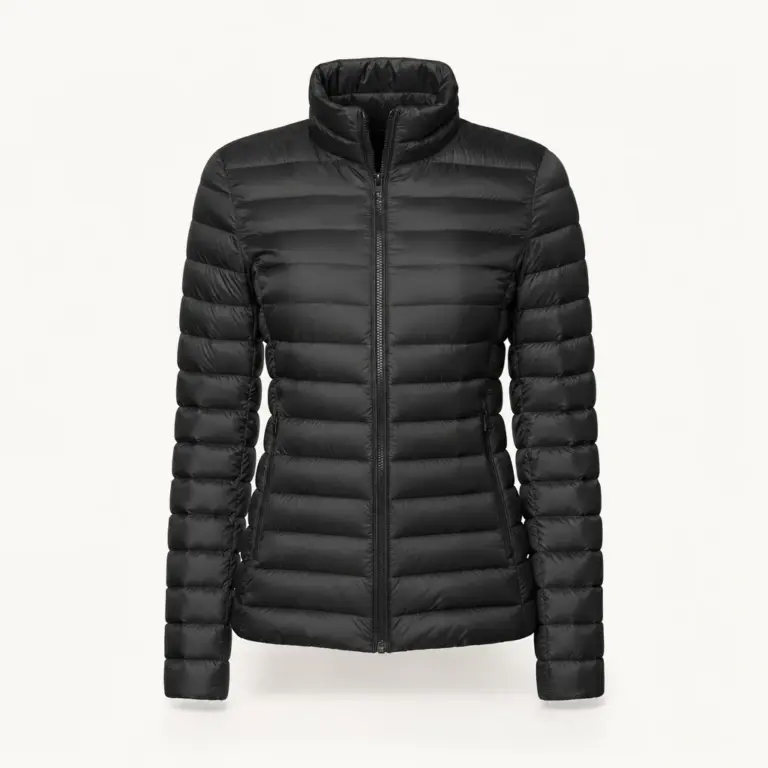
Amazon Essentials
Amazon Essentials Packable Puffer Jacket Review
Best for Fall layering, travel, and mild cool-weather days
A lightweight water-resistant puffer with contoured seams and a packable design for travel and fall layering.
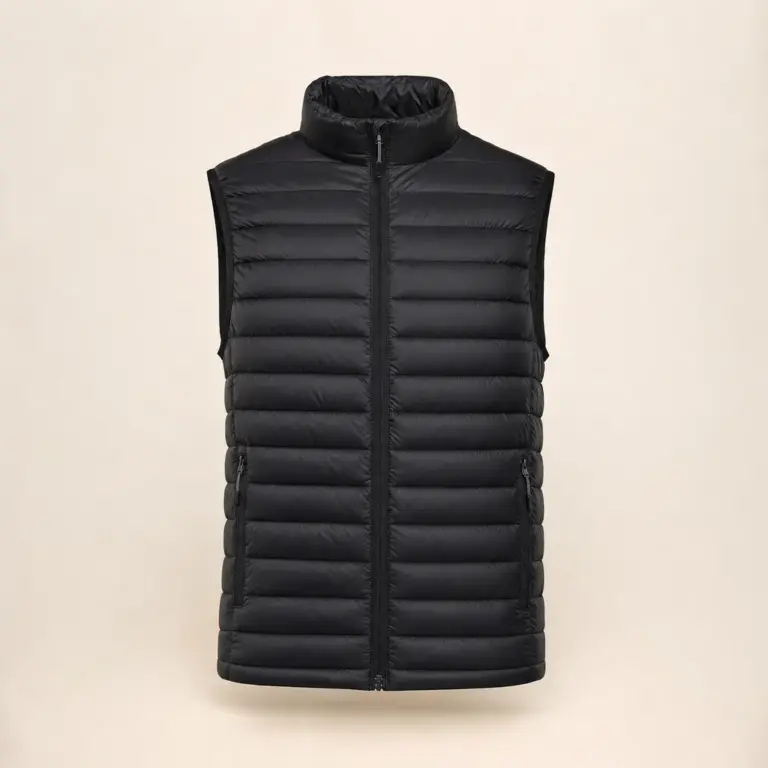
Amazon Essentials
Amazon Essentials Packable Puffer Vest
Best for Layering over knits and long sleeves in mild weather
A lightweight, water-resistant quilted vest from Amazon Essentials that packs into its own carrying bag.
Amazon Essentials
Amazon Essentials Slim-Fit Tank
Best for Layering under cardigans, blazers, and hoodies
A slim-fit tank in a soft cotton-modal blend, designed for layering or wearing on its own.
As an Amazon Associate I earn from qualifying purchases. How we make money
Frequently asked questions
Can I wear a puffer jacket in the rain?
Puffers with water-resistant shells can handle light rain or snow, but they’re not designed for sustained downpours. The fill can clump when wet, reducing warmth and making the jacket heavy. If steady rain is forecast, wear a rain shell over your puffer or choose a rain shell with a warm mid layer underneath. Check the care instructions on the listing, as some puffers require special washing and drying to maintain their loft.
How do I know if a softshell is warm enough for fall?
Check the listing for details about the lining and insulation. A fleece-lined softshell, like the 33,000ft jacket, provides more warmth than an unlined shell. Softshells are generally best for active fall days when you’ll be moving and generating body heat. If you’ll be stationary or temperatures drop below freezing, layer a warm mid layer underneath or choose a puffer for more insulation. Always consult the size chart to ensure you have room for layering.
What should I wear under a rain shell?
Rain shells have no insulation, so layer a fleece, sweater or lightweight puffer underneath when temperatures drop. In milder weather, a long-sleeve tee or base layer may be enough. Choose mid layers that wick moisture and dry quickly, and avoid cotton, which stays wet and cold. If you’ll be active, look for breathable mid layers that won’t trap sweat against your skin.
How do I pack a puffer jacket without damaging it?
Many puffers, like the Amazon Essentials Packable Puffer Jacket, come with a stuff sack or pack into their own pocket. Stuff the jacket loosely rather than folding it, which can stress the seams and baffles. When you unpack it, shake it out and let it loft back up. Store puffers uncompressed when you’re not travelling, as prolonged compression can reduce the fill’s ability to trap heat. Check the care instructions on the listing for washing and drying guidance.