How to Choose a Vitamin C Serum
Last updated: October 7, 2026
Cali's Cart is reader-supported. When you buy through our links we may earn a commission, at no extra cost to you. As an Amazon Associate I earn from qualifying purchases. Learn more
Vitamin C serums have become a staple in many skincare routines, designed to help brighten the complexion and support a more even skin tone. These lightweight formulas are typically applied in the morning before sunscreen, though the sheer variety of options—from gentle beginner formulas to high-strength concentrates—can make choosing one feel overwhelming. Understanding what to look for helps you find a serum that fits your skin type, experience level and daily routine without unnecessary guesswork.
We researched vitamin C serums by reviewing expert sources including Wirecutter and examining product formulations, packaging and user feedback patterns. This guide walks you through the key factors to consider: concentration levels, complementary ingredients, packaging that protects the formula, and realistic expectations for what vitamin C can and cannot do. Whether you’re new to serums or looking to refine your choice, these practical tips will help you shop with confidence.
In short
- Vitamin C serums are designed to brighten and even out skin tone, typically applied in the morning under sunscreen
- Concentration matters but higher isn’t always better—sensitive skin may react to strong formulas, so patch test and start slowly
- Look for stable packaging (dark or opaque bottles) and store away from heat and light to prevent oxidation
- Pair vitamin C with complementary ingredients like vitamin E and ferulic acid for added antioxidant support
- Sunscreen every morning remains essential when using vitamin C or any brightening skincare
Understanding vitamin C concentration
Vitamin C serums come in a wide range of strengths, and the percentage is usually printed on the label or in the product name. A higher percentage doesn’t automatically mean better results; stronger formulas are more likely to sting or irritate, especially on sensitive skin. If you’re new to vitamin C, a gentler formula used consistently is a sensible place to start, and you can always step up later once you know how your skin responds.
If you’re new to vitamin C, starting with a gentler formula helps your skin adjust. The Olay Vitamin C + Peptide 24 Serum uses a milder vitamin C derivative combined with peptides, making it suitable for beginners or those with combination skin. For those comfortable with active ingredients and seeking a classic high-strength option, the Timeless 20% Vitamin C + E Ferulic Acid Serum offers 20% L-ascorbic acid, though Wirecutter notes this concentration may sting sensitive skin. Always patch test a new serum on your inner arm or jawline and start by applying it every other day before building up to daily use.
Key ingredients that work with vitamin C
Vitamin C rarely works alone in effective formulas. Complementary ingredients can stabilize the vitamin C, enhance its antioxidant properties or address additional skin concerns. Vitamin E and ferulic acid are two of the most common partners—research suggests they help stabilize L-ascorbic acid and may boost its antioxidant effects. Wirecutter’s budget pick, the Timeless serum, combines 20% vitamin C with both vitamin E and ferulic acid, a trio found in many premium formulas.
Other beneficial additions include niacinamide (vitamin B3), which can work alongside vitamin C in brightening formulas. According to the Olay listing, its serum combines vitamin C with peptides, vitamin B3 and lactic acid, designed to visibly brighten and hydrate skin. Lactic acid is a gentle exfoliant that may help with skin texture. When comparing products, look at the full ingredient list to see what else you’re getting beyond the vitamin C itself—these supporting players often determine how well the serum fits into your existing routine and whether it addresses your specific goals.
Packaging and stability concerns
Vitamin C, particularly L-ascorbic acid, is notoriously unstable and can oxidize when exposed to light, air and heat. Once oxidized, the serum loses effectiveness and may even irritate skin. This is why packaging matters as much as the formula inside. Dark glass bottles, opaque containers or airless pump bottles help protect the serum from degradation. Avoid clear glass or plastic jars that expose the product to light every time you open them.
Wirecutter specifically criticized the Olay Vitamin C + Peptide 24 Serum’s plastic packaging as “truly horrible,” which highlights a common trade-off: some otherwise excellent formulas come in less-than-ideal containers. If you choose a serum in suboptimal packaging, store it in a cool, dark place—many people keep theirs in a bathroom cabinet or even the refrigerator. Replace your serum if it changes colour noticeably (turning yellow, orange or brown) or develops an off smell, as these are signs of oxidation. Most vitamin C serums remain stable for several months when stored properly, but check the product for any expiry guidance.
Texture, scent and daily wearability
A serum’s texture and scent affect whether you’ll actually use it every morning. Vitamin C serums range from watery and fast-absorbing to slightly sticky or oily. If you wear makeup or layer multiple skincare products, a lightweight formula that absorbs quickly makes your routine smoother. According to the Olay listing, its serum is “soft, ultra-lightweight” and “works well under makeup,” absorbing quickly with no greasy or sticky residue—a practical consideration for busy mornings.
Some vitamin C serums have a citrus scent, either from added fragrance or the ingredients themselves, while others are fragrance-free. The Olay serum is described as citrus-scented, which some people find refreshing and others may prefer to avoid. High-strength L-ascorbic acid serums can also have a slightly acidic or metallic smell. If you have sensitive skin or fragrance sensitivities, check whether the product contains added fragrance. Texture and scent are personal preferences, but they determine whether a serum becomes a daily staple or sits unused on your shelf.
Common mistakes to avoid
One frequent mistake is expecting immediate, dramatic results. According to the Olay listing, you may notice more hydrated-looking skin within a day, but visible brightening and evening of skin tone typically take weeks of consistent use. Vitamin C is a long-term investment in your complexion, not an overnight fix. Another common error is skipping sunscreen—vitamin C serums are often applied in the morning to help defend against environmental stressors, but sunscreen every morning remains essential for protecting your skin and preventing further discolouration.
Many people also start with too high a concentration or apply the serum too frequently at first, leading to irritation, redness or peeling. Patch test any new vitamin C serum and introduce it gradually, especially if you’re using other active ingredients like retinoids or exfoliating acids. Finally, don’t store your serum on a sunny windowsill or in a hot, steamy bathroom where it’s exposed to heat and light daily. Proper storage extends the life of your product and ensures you’re getting the benefits you paid for.
Setting realistic expectations
Vitamin C serums are designed to help brighten the complexion and support a more even skin tone over time, but they’re not a fix for everything. They won’t erase deep pigmentation, acne marks or sun damage overnight. These are cosmetic products that work gradually with consistent use. Based on the Olay listing, after one month of use you may expect skin that appears more even with a healthy, brightened glow—a realistic timeframe for noticing visible changes.
It’s also important to understand that vitamin C works best as part of a broader skincare routine. Sunscreen, gentle cleansing and adequate hydration all play roles in maintaining healthy-looking skin. If you have persistent concerns about pigmentation, acne or other skin conditions, see a dermatologist rather than relying solely on over-the-counter serums. Vitamin C can be a valuable addition to your routine, but it’s not a fix for everything, and setting realistic expectations helps you evaluate whether a product is actually working for you.
Quick checklist before you buy
Before adding a vitamin C serum to your cart, run through this checklist to ensure you’re choosing one that suits your needs and will work well in your routine:
- Concentration: Start with a gentler formula if you’re new to vitamin C or have sensitive skin; experienced users comfortable with actives may prefer a higher-strength formula
- Complementary ingredients: Look for vitamin E, ferulic acid, niacinamide or peptides, which often appear alongside it
- Packaging: Choose dark glass, opaque or airless pump bottles that protect against light and air exposure
- Texture: Consider whether you want a lightweight, fast-absorbing serum or don’t mind a slightly richer feel
- Scent: Check if the product is fragrance-free or scented, depending on your preference and sensitivity
- Price point: Effective vitamin C serums exist at both budget and premium price levels—compare the ingredient list and packaging quality
- Storage plan: Make sure you have a cool, dark place to store the serum away from heat and direct sunlight
- Patch test: Plan to test the serum on a small area first and introduce it slowly into your routine
Products worth considering
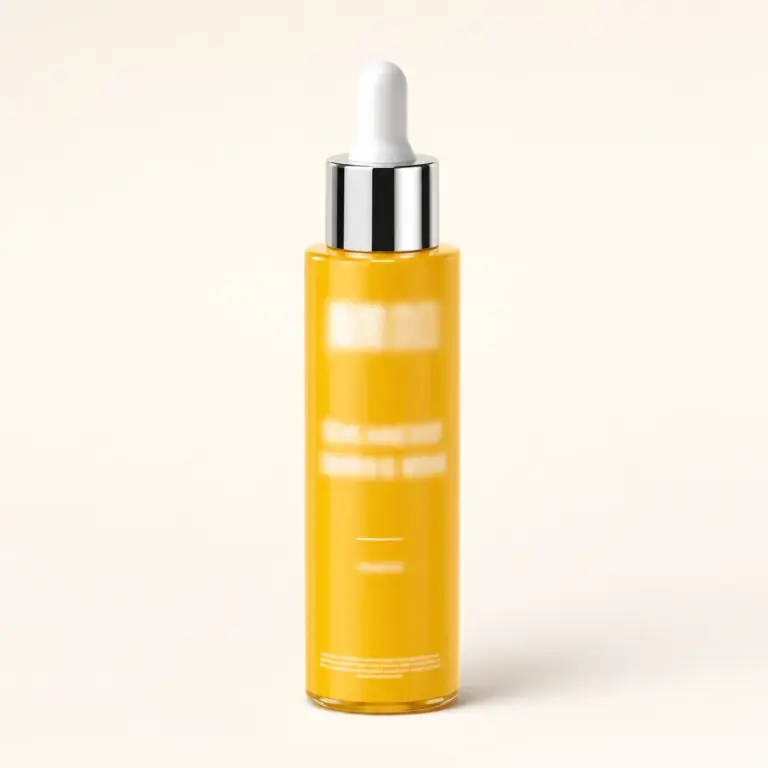
Olay Vitamin C + Peptide 24 Serum
Wirecutter recommends the Olay Vitamin C + Peptide 24 Serum as a gentle option for those new to vitamin C, noting there’s a lot to like about its lightweight formula and brightening ingredients. According to the listing, it combines vitamin C with peptides, vitamin B3 and lactic acid, designed to visibly brighten and hydrate skin. The citrus-scented formula absorbs quickly with no greasy residue and works well under makeup, making it practical for daily morning use. However, Wirecutter describes the plastic packaging as truly horrible, and this isn’t a high-strength L-ascorbic acid formula for those seeking maximum potency. It’s typically about $30 to $50 and suits beginners or anyone with combination skin wanting an elegant, easy-to-use serum.
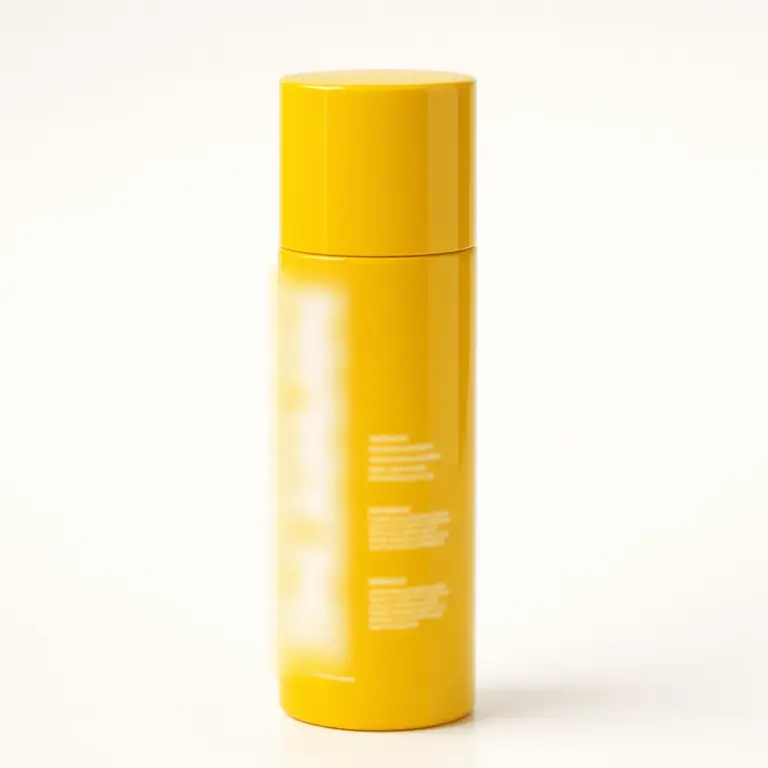
Timeless 20% Vitamin C + E Ferulic Acid Serum
Wirecutter named the Timeless 20% Vitamin C + E Ferulic Acid Serum their budget pick, noting it has a similar ingredients panel to premium formulas but typically about $30 to $50. The serum combines 20% vitamin C with vitamin E and ferulic acid, the classic antioxidant trio found in many high-end products. According to the listing, it’s designed for both dry and oily skin types and is applied after cleansing with 2-3 pumps. This is a straightforward option for value seekers who want a potent vitamin C formula without the luxury price tag, though the high concentration may sting or irritate sensitive skin. Some users may also find the texture slightly sticky. If you’re comfortable with active ingredients and looking for a classic C + E + ferulic formula, this offers excellent value.
Olay
Olay Vitamin C + Peptide 24 Serum Review
Best for Beginners wanting a gentle vitamin C serum; combination skin
A gentle vitamin C serum with peptides, recommended by Wirecutter for beginners seeking brighter, hydrated skin.
Timeless
Timeless 20% Vitamin C + E Ferulic Acid Serum
Best for Value seekers wanting a classic C + E + ferulic formula
Wirecutter's budget pick for vitamin C serums with a classic antioxidant formula at an accessible price point.
As an Amazon Associate I earn from qualifying purchases. How we make money
Frequently asked questions
Should I use vitamin C serum in the morning or at night?
Vitamin C serums are typically applied in the morning under sunscreen. This timing allows the antioxidants to help defend your skin against environmental stressors throughout the day. However, some people prefer to use vitamin C at night or alternate days depending on their routine and other active ingredients. Regardless of when you apply it, always wear sunscreen during the day—vitamin C doesn’t replace sun protection.
How long does it take to see results from a vitamin C serum?
According to the Olay listing, you may notice more hydrated-looking skin within a day, but visible brightening and a more even skin tone typically take about a month of consistent daily use. Vitamin C works gradually, not overnight, so patience and regular application are key. If you don’t see any changes after two to three months of consistent use, the formula may not suit your skin or you may need to adjust your expectations.
Can I use vitamin C serum with other active ingredients?
Many people successfully use vitamin C alongside other actives, but introduce new products slowly and pay attention to how your skin responds. Some combinations work well—vitamin C in the morning and retinoids at night, for example—while layering multiple strong actives at once may cause irritation. If you’re using exfoliating acids or prescription treatments, start vitamin C every other day and gradually increase frequency. When in doubt, consult a dermatologist about the best routine for your skin.
Why did my vitamin C serum change colour?
Vitamin C, especially L-ascorbic acid, oxidizes when exposed to light, air and heat, turning yellow, orange or brown. Once a serum has changed colour noticeably or developed an off smell, it’s oxidized and should be replaced—it won’t work as intended and may irritate your skin. To prevent this, store your serum in a cool, dark place away from direct sunlight and heat, and choose products in dark or opaque packaging when possible. Most serums remain stable for several months with proper storage.