Jeans Fit Guide: Rise, Leg Shape and Inseam
Last updated: October 7, 2026
Cali's Cart is reader-supported. When you buy through our links we may earn a commission, at no extra cost to you. As an Amazon Associate I earn from qualifying purchases. Learn more
Finding jeans that fit well starts with understanding three key measurements: rise, leg shape and inseam. Rise is the distance from the crotch seam to the top of the waistband, and it determines where the jeans sit on your body—at your hips, natural waist or somewhere in between. Inseam measures from the crotch seam down to the hem, controlling the overall length and whether the jeans will puddle at your ankles or hit just right. Leg shape describes how the fabric tapers or widens from hip to hem, influencing the silhouette and how the jeans balance with different footwear.
Each of these elements works together to create the overall fit and look of a pair of jeans. A mid-rise jean with a wide leg will sit and drape very differently than a low-rise skinny jean, even if both are labelled the same waist size. This guide walks through how to measure, what each term means in practice, and how to use size charts and product details to find jeans that suit your height, proportions and style preferences. We researched current listings and independent coverage to show how these measurements appear in real products, so you can shop with confidence.
In short
- Rise measures from crotch seam to waistband (low, mid or high) and affects where jeans sit on your torso
- Inseam runs from crotch seam to hem and determines length; measure a pair you own flat and compare with the listing’s size chart
- Leg shapes—skinny, straight, bootcut, flare, wide-leg—change how jeans drape and what shoes work best
- Stretch denim fits closer to the body than rigid denim, so sizing and comfort differ between fabrics
Understanding Rise: Low, Mid and High
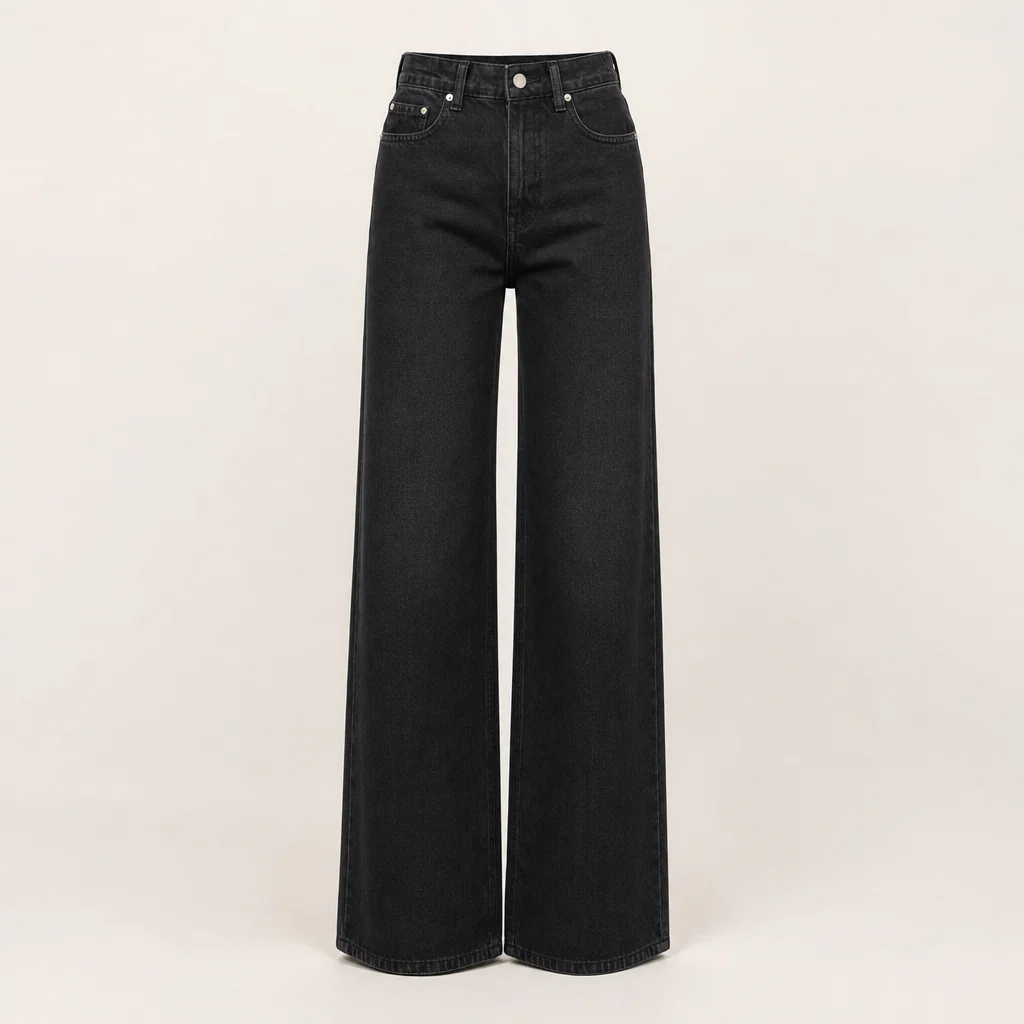
Rise is the vertical measurement from the crotch seam up to the top edge of the waistband. Low-rise jeans sit below the natural waist, often resting on the hips. Mid-rise jeans sit at or just below the belly button. High-rise jeans reach the natural waist or above. The Levi’s 318 Shaping Wide-Leg Jeans have a mid-rise waist, according to the listing, which places them in the mid-rise category.
Rise affects both comfort and proportion. A higher rise can provide more coverage and support around the midsection, while a lower rise creates a more casual, relaxed look. If you have a longer torso, a high rise may feel more secure and prevent gapping at the back. If you have a shorter torso, a low or mid rise may be more comfortable and avoid bunching at the waist. Always check the rise measurement on the size chart rather than relying on the label alone, as brands define low, mid and high differently.
Measuring and Choosing Inseam Length
Inseam is the distance from the crotch seam down to the bottom hem of the jeans. It determines whether the jeans will be full-length, cropped or somewhere in between on your frame. The Amazon Essentials Pull-On Jegging offers three inseam options—27, 29 and 31 inches—according to the listing, which allows you to choose based on your height and whether you prefer a cropped or full-length look.
To find your ideal inseam, lay a pair of jeans that fit you well flat on the floor and measure from the crotch seam straight down to the hem. Compare that number with the inseam listed on the size chart. Keep in mind that the inseam measurement on a listing is often based on a specific sample size, so it may vary slightly across the size range. The Levi’s 318 jeans have a 32-inch inseam based on size 27, according to the listing, which may be long for petite heights without hemming. If you’re between inseams or unsure, check whether the fabric can be easily hemmed or if the brand offers petite or tall versions.
Inseam also interacts with leg shape. A wide-leg jean with a 32-inch inseam will pool more at the ankle than a skinny jean with the same inseam, because the extra fabric drapes differently. If you plan to wear heels or boots, a longer inseam may work well; for flats or sneakers, a shorter inseam or a cropped style may be more practical.
Leg Shapes: Skinny, Straight, Bootcut, Flare and Wide-Leg
Leg shape describes how the jeans taper or widen from the hip down to the hem. Skinny jeans fit close to the leg from hip to ankle, with a narrow leg opening. Straight-leg jeans maintain a consistent width from knee to hem, creating a clean, classic line. Bootcut jeans are fitted through the thigh and flare slightly from the knee down, designed to fit over boots. Flare jeans widen more dramatically from the knee, creating a bell shape. Wide-leg jeans have a relaxed, roomy fit through the entire leg, with a wide opening at the hem. The Levi’s 318 jeans have a wide-leg silhouette, according to the listing, which creates a relaxed, modern look.
The Amazon Essentials jegging has a skinny fit through hip, thigh and leg, according to the listing, which means it hugs the body closely from waist to ankle. Skinny and straight styles tend to work well with ankle boots, loafers and sneakers, while bootcut, flare and wide-leg styles balance better with heeled boots or platforms. Leg shape also affects how much fabric gathers at the ankle: a wide leg may puddle if the inseam is too long, while a skinny leg will simply stack or bunch.
When comparing leg shapes, check the leg opening measurement on the size chart if it’s provided. This measurement, combined with inseam, helps you visualize how the jeans will drape on your frame.
Stretch Denim vs Rigid Denim: How Fabric Affects Fit
Jeans are made from either stretch denim, which contains elastane or spandex, or rigid denim, which is 100% cotton with no stretch. Stretch denim moulds to your body and moves with you, making it comfortable for sitting and active wear, but it may also relax and stretch out over the course of the day. Rigid denim holds its shape and structure but can feel stiff initially and may require a break-in period. The Levi’s 318 jeans are made from a fabric blend of 78% cotton, 21% polyester and 1% elastane, according to the listing, which provides stretch for comfort. The Amazon Essentials jegging is 79% cotton, 18% polyester and 3% elastane, according to the listing, offering more stretch for a pull-on fit.
Stretch denim typically fits closer to your measurements, so you may size down if you’re between sizes or prefer a snug fit. Rigid denim often requires sizing up slightly to allow room for movement, as it won’t give. Always check the fabric composition on the listing and consider how much stretch you prefer. If you want jeans that hold their shape all day, look for lower elastane percentages (1% to 2%). If you prioritize comfort and ease of movement, higher elastane (3% or more) or a pull-on waistband may suit you better.
Common Mistakes to Avoid
One common mistake is assuming that rise, inseam and leg shape are standard across brands. A mid-rise jean from one brand may sit higher or lower than a mid-rise from another, and a 32-inch inseam may hit at different points depending on the leg shape and how the jeans are cut. Always check the specific measurements on the size chart rather than relying on the label alone. Parade’s coverage of the Levi’s 318 jeans noted that some reviews said the jeans run a bit big, and the listing advises checking the size chart, which underscores the importance of comparing your own measurements with the chart provided.
Another mistake is ordering based on your usual size without accounting for fabric stretch. A jegging or pull-on style with high elastane content will fit very differently than a rigid straight-leg jean, even if both are labelled the same size. The Amazon Essentials jegging has an elastic pull-on waistband and 3% elastane, according to the listing, which means it will stretch and conform to your body, so you may not need to size up. In contrast, a rigid denim jean may require a size up for comfort, especially if you plan to sit for long periods.
Finally, many shoppers overlook the leg opening measurement, which can make or break the overall look. A wide leg opening may overwhelm a petite frame, while a very narrow opening can make it difficult to pull jeans on over your foot or wear with certain shoes. Check the leg opening on the size chart and consider how it will work with your footwear and proportions.
Quick Checklist Before You Buy
Before you add jeans to your cart, work through this checklist to ensure a better fit. First, measure a pair of jeans you already own and love: lay them flat and measure the rise (crotch seam to waistband), inseam (crotch seam to hem) and leg opening (across the hem, then double it). Write down these numbers and compare them with the size chart on the listing. Second, check the fabric composition and note the percentage of elastane or spandex. If the jeans have 2% elastane or less, expect minimal stretch; 3% or more will feel stretchy and flexible.
Third, confirm the inseam length and decide whether you’re comfortable hemming the jeans if they’re too long, or whether you need a petite or short inseam from the start. The Levi’s 318 jeans have a 32-inch inseam, which may be long for petite heights without hemming, so factor in alteration time and cost if needed. Fourth, read the care instructions on the listing: machine-washable jeans are more convenient, but some stretch fabrics may shrink or lose shape over time. Both the Levi’s 318 and Amazon Essentials jegging are machine washable, according to the listings.
Finally, look for any fit notes or guidance on the listing itself. Some brands provide fit tips, such as ‘size down for a snug fit,’ though these should be verified against the actual measurements. If no independent reviews or fit feedback are available, as is the case with the Amazon Essentials jegging, rely on the size chart. Always check the listing for sizing guidance before ordering.
Styling Tips for Different Rises, Inseams and Leg Shapes
Once you understand your measurements, you can use rise, inseam and leg shape to create different looks. High-rise jeans pair well with cropped tops or tucked-in shirts, as they sit at the natural waist and create a balanced silhouette. Mid-rise jeans like the Levi’s 318 work with longer tunics, blazers and untucked blouses for everyday and smart-casual wear, according to our research. Low-rise jeans suit casual, relaxed styles and look best with fitted tops to avoid adding bulk at the hips.
Inseam length affects shoe choice: a cropped inseam shows off ankle boots, loafers and sneakers, while a full-length inseam works with heeled boots or platforms. If you choose a wide-leg jean with a long inseam, consider wearing a heel or platform to prevent the hem from dragging. Skinny jeans and jeggings like the Amazon Essentials style fit closely through the leg, so they tuck easily into tall boots or pair with ballet flats and slip-ons.
For more outfit ideas and wardrobe planning, see our guides on Fall Wardrobe Basics: 7 Pieces to Build On, Workweek Capsule Wardrobe: 10 Pieces, Many Outfits and Weekend Casual Capsule Wardrobe. These resources show how jeans fit into a versatile wardrobe and how to mix rise, inseam and leg shape with other pieces.
Products to compare
Levi’s 318 Shaping Wide-Leg Jeans
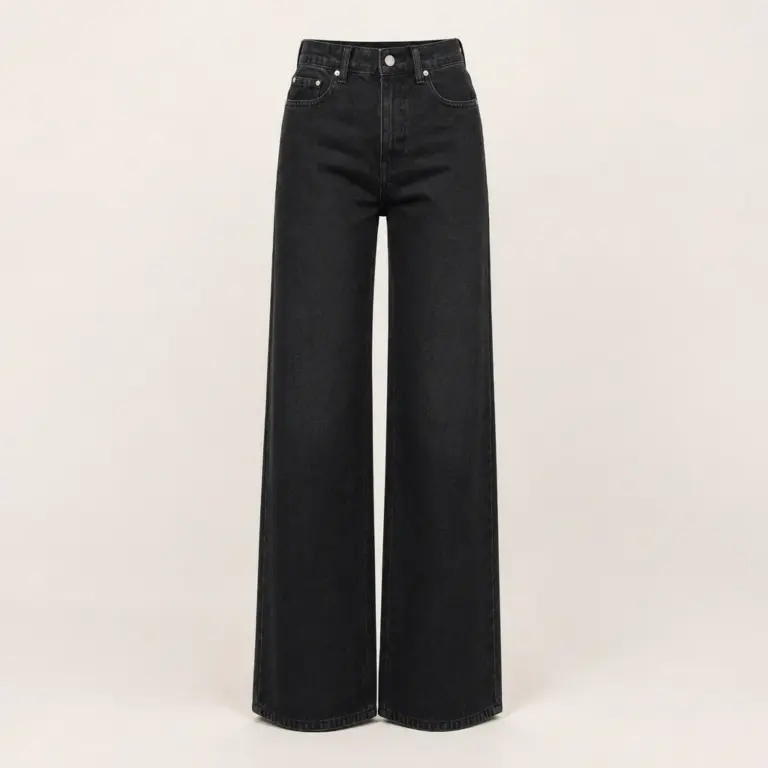
The Levi’s 318 Shaping Wide-Leg Jeans suit those who want a relaxed, modern silhouette with a mid-rise waist. According to the listing, the jeans have a 32-inch inseam and are made from 78% cotton, 21% polyester and 1% elastane for stretch. Parade’s coverage noted that the jeans are described as flattering and comfortable, and that some reviews said they run a bit big, so check the size chart on the listing. The 32-inch inseam may be long for petite heights without hemming. The brand calls this a shaping fit. The jeans are machine washable and available in regular and plus sizes, making them a practical choice for everyday and smart-casual wear. See the typical price range on this page.
Amazon Essentials Pull-On Jegging
The Amazon Essentials Pull-On Jegging is an affordable option for those seeking a pull-on jegging for everyday wear. According to the listing, the jegging has an elastic pull-on waistband, a skinny fit through hip, thigh and leg, and is available in three inseam lengths: 27, 29 and 31 inches. The fabric is 79% cotton, 18% polyester and 3% elastane, and the jegging is machine washable. The listing states there are front and back pockets, belt loops and a faux fly, and 14 colour choices. No independent reviews were found, so fit and sizing are uncertain without verified feedback. Check the size chart on the listing to compare measurements with a pair you own. See the typical price range on this page.
Levi's
Levi’s 318 Shaping Wide-Leg Jeans Review
Best for Everyday and smart-casual wear with a relaxed silhouette
Wide-leg jeans with a mid-rise fit and shaping silhouette, made from a cotton-blend fabric with stretch.
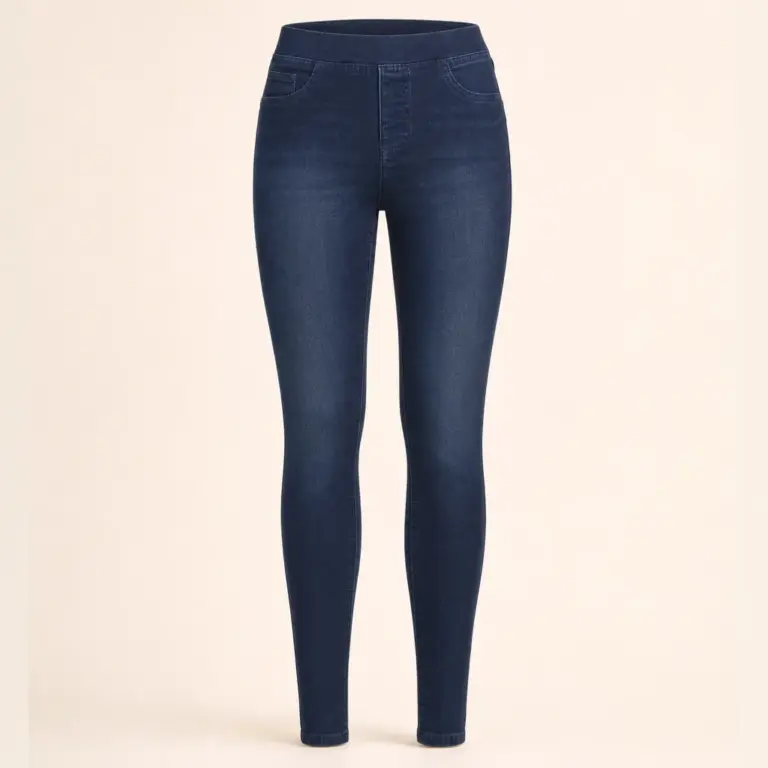
Amazon Essentials
Amazon Essentials Pull-On Jegging
Best for Those seeking an affordable pull-on jegging for everyday wear
A pull-on jegging in stretch denim with an elastic waistband and three inseam options.
As an Amazon Associate I earn from qualifying purchases. How we make money
Frequently asked questions
What is the difference between rise and inseam?
Rise is the distance from the crotch seam up to the top of the waistband, determining where the jeans sit on your torso (low, mid or high). Inseam is the distance from the crotch seam down to the hem, controlling the overall length of the jeans. Both measurements are important for fit, and you can find them on the size chart of most listings.
How do I know which inseam length to choose?
Measure a pair of jeans that fit you well by laying them flat and measuring from the crotch seam straight down to the hem. Compare that number with the inseam listed on the size chart. If you’re between sizes or unsure, consider whether you prefer a cropped look or full-length coverage, and whether you’re willing to hem the jeans if they’re too long.
Do wide-leg jeans require a longer inseam than skinny jeans?
Not necessarily, but leg shape affects how the inseam drapes. A wide-leg jean with a 32-inch inseam will pool more at the ankle than a skinny jean with the same inseam, because the extra fabric creates more volume. If you choose a wide-leg style, consider your height and whether you’ll wear heels or flats, and check the leg opening measurement on the size chart.
How does stretch denim affect sizing?
Stretch denim contains elastane or spandex and moulds to your body, so it may fit closer to your measurements and can stretch out slightly over the day. Rigid denim has no stretch and holds its shape, but may feel stiff initially. Check the fabric composition on the listing: higher elastane percentages (3% or more) offer more stretch, while 1% to 2% provides structure with a bit of give.