Comforter vs Duvet Insert vs Duvet Cover: What Is the Difference?
Last updated: October 7, 2026
Cali's Cart is reader-supported. When you buy through our links we may earn a commission, at no extra cost to you. As an Amazon Associate I earn from qualifying purchases. Learn more
If you’ve ever stood in the bedding aisle wondering whether you need a comforter, a duvet insert, or a duvet cover—or all three—you’re not alone. The terms are used inconsistently, and the difference isn’t always obvious when you’re setting up a bedroom for the first time or refreshing your space. The short answer: a comforter and a duvet insert are essentially the same thing (a quilted blanket filled with down, down alternative, or synthetic fibres), while a duvet cover is a removable, washable shell that goes over the insert. Understanding how each piece works will help you choose the right setup for your bed, your laundry habits, and your décor.
In practice, many Canadians use the word ‘comforter’ for a quilted blanket that sits directly on the bed, and ‘duvet insert’ for one that goes inside a cover. But manufacturers and retailers often use the terms interchangeably, so you’ll see products labelled ‘comforter duvet insert’ or simply ‘comforter’ that work either way. The key is to know what you’re buying—whether it’s the puffy inner layer, the outer fabric case, or a complete set—and how the pieces fit together. This guide walks through the differences, the practical trade-offs, and what to check on the listing before you add anything to your cart.
In short
- A comforter is a quilted blanket you can use on its own or inside a duvet cover; a duvet insert is the same thing (the terms are often used interchangeably in Canada).
- A duvet cover is a removable fabric shell that zips or buttons around a comforter or insert, protecting it and letting you change your bedroom’s look without washing the whole insert.
- Comforters with corner tabs and covers with inside ties keep everything in place; measure your bed and compare dimensions on the listing before you buy.
What is a comforter (or duvet insert)?
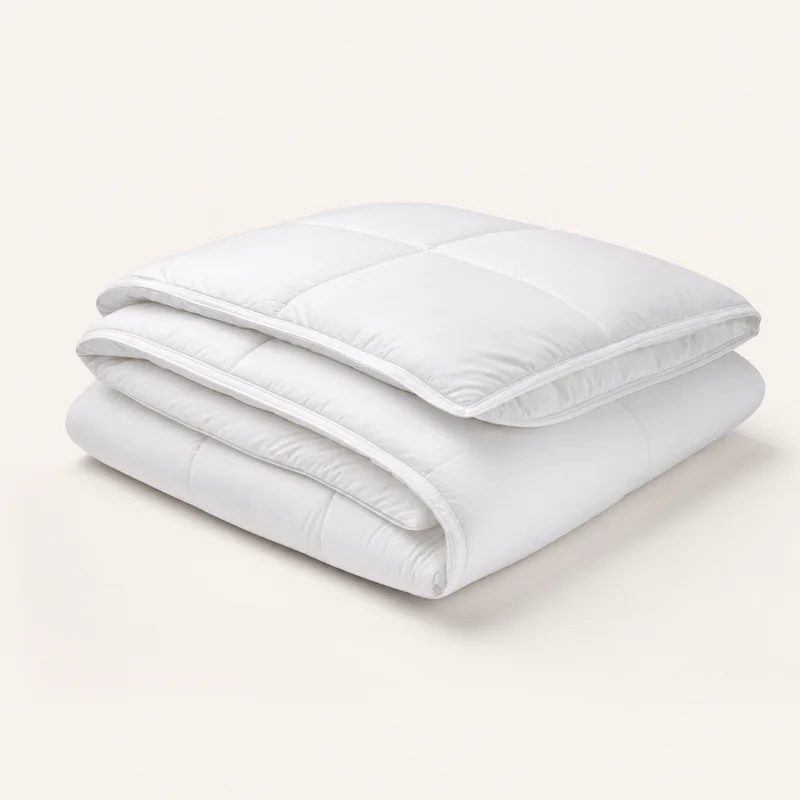
A comforter is a quilted blanket with a fabric shell (usually cotton, polyester, or a blend) filled with insulating material such as down, down alternative, or polyester fibres. The shell and fill are stitched together in a pattern—box stitch, baffle box, or channel quilting—to keep the fill from shifting. You can use a comforter on its own, layered over your sheets, or slip it inside a duvet cover for extra protection and style flexibility. The term ‘duvet insert’ refers to the same product when it’s designed to be used with a cover; in Canada, you’ll see both terms on the same listing.
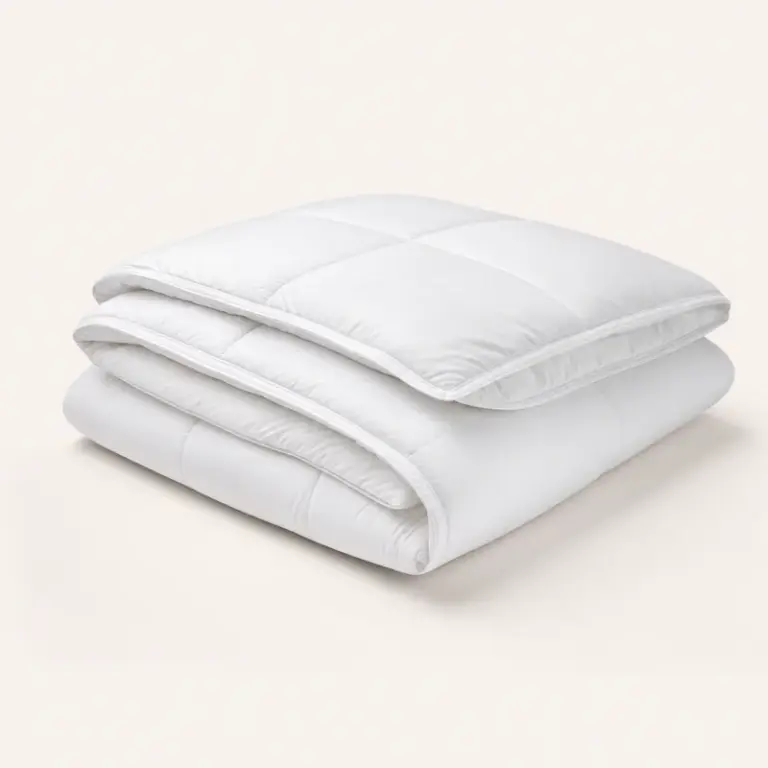
Comforters come in standard bed sizes (twin, double, queen, king) and vary in weight, loft, and warmth. Lightweight inserts suit warmer months or layered bedding; heavier, high-loft versions add warmth in winter. Most have corner tabs or loops so you can tie them to the inside of a duvet cover, preventing the insert from bunching up. The Utopia Bedding Queen Comforter Duvet Insert measures 88 × 88 inches for a queen bed, with a polyester shell, siliconized fibre fill, box-stitch construction with piped edges, and built-in corner tabs. According to the listing, it is machine washable (cold water, tumble dry no heat). Wirecutter named this comforter its budget pick, describing it as light, feather-free, and inexpensive in its comforter review.
What is a duvet cover?
A duvet cover is a removable fabric case—think of it as a giant pillowcase for your comforter. It slips over the insert and closes with buttons, a zipper, or ties along one edge (usually the bottom or side). Inside, you’ll find corner ties or loops that attach to the tabs on your comforter, holding everything in place so the insert doesn’t slide around or bunch up when you move in bed. Duvet covers are sold on their own or as part of a set that includes matching pillow shams.
The main advantage of a duvet cover is that you can wash the cover frequently (weekly or every couple of weeks, like your sheets) and wash the bulky insert much less often—maybe once or twice a year, or when it needs a refresh. Covers also let you change your bedroom’s look without buying a new comforter: swap a white cover for a patterned one, or switch colours with the seasons. The Bedsure Duvet Cover Set (Queen, 3-Piece) includes a 90 × 90-inch duvet cover and two pillow shams, made from prewashed polyester microfiber. According to the brand, the fabric is soft; the cover has eight corner ties inside and a zipper closure, and the set is machine washable. Multiple colour options are offered on the listing.
When you’re shopping, check the duvet cover’s dimensions against your comforter’s measurements. A cover that’s too small will stretch and wear out quickly; one that’s too large will leave the insert loose and lumpy. Measure your comforter and compare the numbers on the listing before you buy.
Comforter alone vs comforter with a cover: which setup makes sense?
Using a comforter on its own is simpler: you make the bed with sheets, lay the comforter on top, and you’re done. This works well if your comforter has a finished, decorative shell (quilted cotton, for example) and you don’t mind washing the whole thing every few weeks. The downside is that comforters are bulky, and frequent washing can flatten the fill and wear out the fabric over time. If your machine is small or your laundromat charges by the load, a queen or king comforter becomes an expensive, time-consuming chore.
Using a comforter inside a duvet cover adds a step when you make the bed, but it protects the insert from spills, pet hair, and everyday wear. You wash the lightweight cover as often as you like, and the insert stays cleaner longer. This setup also gives you decorating flexibility: buy one neutral insert and rotate two or three covers to change the room’s look. The trade-off is the initial effort of stuffing the comforter into the cover (corner tabs and ties make this easier) and the cost of buying both pieces if you’re starting from scratch. For many, the convenience of washing a cover instead of a bulky comforter is worth it, especially in a bedroom refresh or when setting up a guest room.
Materials, care and what to expect over time
Comforter shells are typically cotton, polyester, or a cotton-poly blend. Cotton feels breathable and soft; polyester is more affordable and dries faster. Fill materials include down (insulating, lightweight, compressible), down alternative (synthetic clusters that mimic down), and polyester fibres (budget-friendly, easy to wash, but can flatten over time). The Utopia Bedding insert uses a polyester shell with siliconized fibre fill, which the listing describes as lightweight. Wirecutter noted it as a wallet-friendly down-alternative option.
Duvet covers come in the same range of fabrics: cotton (percale, sateen, or jersey weaves), linen, microfiber (polyester), and blends. Cotton percale is crisp and cool; sateen is smooth and slightly warmer; microfiber is soft, wrinkle-resistant, and typically the most affordable. The Bedsure cover is prewashed polyester microfiber, which the brand says is soft, and it is machine washable. For more on fabric choices, see our guide on how to choose sheets.
Care instructions vary by product. Most polyester comforters and covers are machine washable in cold water; down and down-alternative inserts may require a large-capacity washer and low-heat drying with dryer balls to restore loft. Always check the listing’s care instructions and your appliance’s capacity before you buy. Over time, expect synthetic fills to flatten and lose loft faster than down; covers will pill or fade depending on the fabric and how often you wash them. No warranty information is stated for the Bedsure set, so check the listing for any coverage.
Common mistakes to avoid
One frequent mistake is buying a duvet cover without measuring your comforter first. If the cover is too small, you’ll struggle to close it and the fabric will strain at the seams; if it’s too large, the insert will shift and bunch, leaving cold spots and a lumpy appearance. Measure your comforter’s width and length, then compare those numbers with the cover’s dimensions on the listing. A small difference is fine; anything more can cause problems.
Another common issue is skipping the corner ties or tabs. If your comforter doesn’t have tabs, or your cover doesn’t have ties, the insert will slide to one end of the cover every time you move. You can add ties yourself with ribbon or fabric tape, but it’s easier to buy pieces designed to work together. The Utopia Bedding insert includes corner tabs; the Bedsure cover has eight corner ties inside.
Finally, don’t assume that ‘comforter set’ means you’re getting a duvet cover. Many comforter sets include the comforter itself plus pillow shams and decorative pillows, but no cover. If you want the option to use a cover, check what’s included in the package and buy the cover separately if needed. For budget-conscious setups, see our guide to best budget bedding upgrades.
Quick checklist before you buy
Before you add a comforter, insert, or duvet cover to your cart, run through this checklist:
• Measure your bed and your existing bedding. Compare your mattress size and any current comforter dimensions with the product’s measurements on the listing. • Decide whether you want to use a cover. If yes, budget for both the insert and the cover (or a set that includes both). If no, choose a comforter with a finished shell you like. • Check for corner tabs and ties. Inserts should have tabs or loops; covers should have inside ties or loops to match. • Read the care instructions. Make sure your washer and dryer can handle the size and fabric, or plan for trips to a laundromat with large-capacity machines. • Look at the fill type and weight. Lightweight inserts suit warm sleepers or layered bedding; heavier fills add warmth in winter. The listing should state the fill material and any warmth or loft claims. • Confirm what’s in the package. Sets may include pillow shams, extra pillowcases, or a storage bag; make sure you know what you’re getting. • Check the warranty details on the listing. Policies vary by seller and product; read the fine print before you buy.
Styling and seasonal swaps
One of the biggest advantages of the duvet-cover system is the ability to change your bedroom’s look without replacing the expensive inner layer. Keep one or two neutral inserts (white, ivory, or grey) and rotate covers in different colours, patterns, or textures. In winter, try a flannel or heavier cotton cover for a cozy feel; in summer, switch to lightweight percale or linen. This approach works especially well in guest rooms, kids’ rooms, or if you like to refresh your space with the seasons.
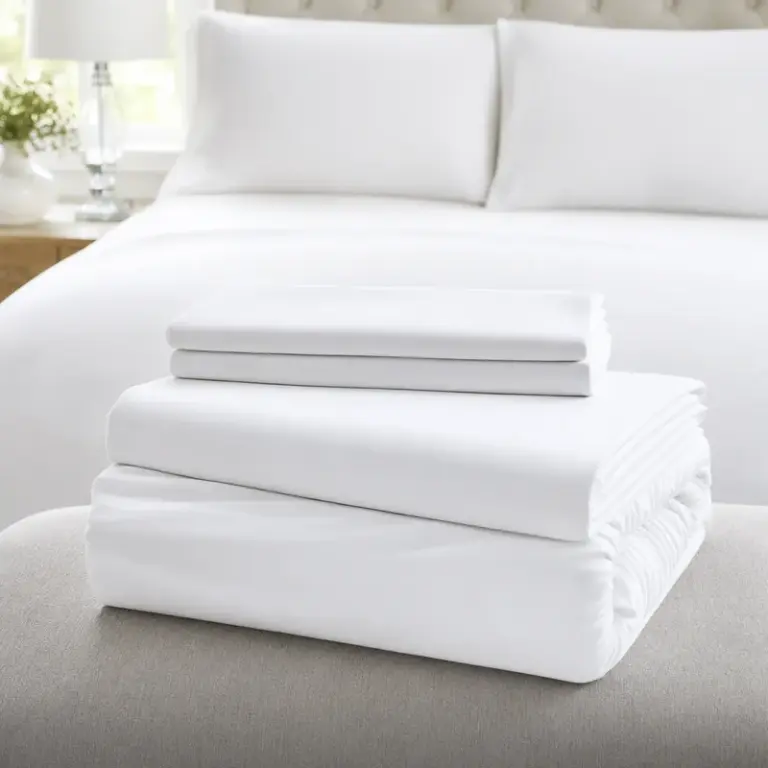
If you’re setting up your first apartment or a guest room on a budget, start with an affordable comforter that works on its own, then add a cover later if you want the flexibility. The Utopia Bedding insert, for example, has a simple white shell with piped edges and can sit directly on the bed or go inside a cover when you’re ready to invest in one. For more ideas on prioritizing bedding upgrades, see our guide on comforter or mattress topper: which to upgrade first.
Products to compare
Utopia Bedding Queen Comforter Duvet Insert
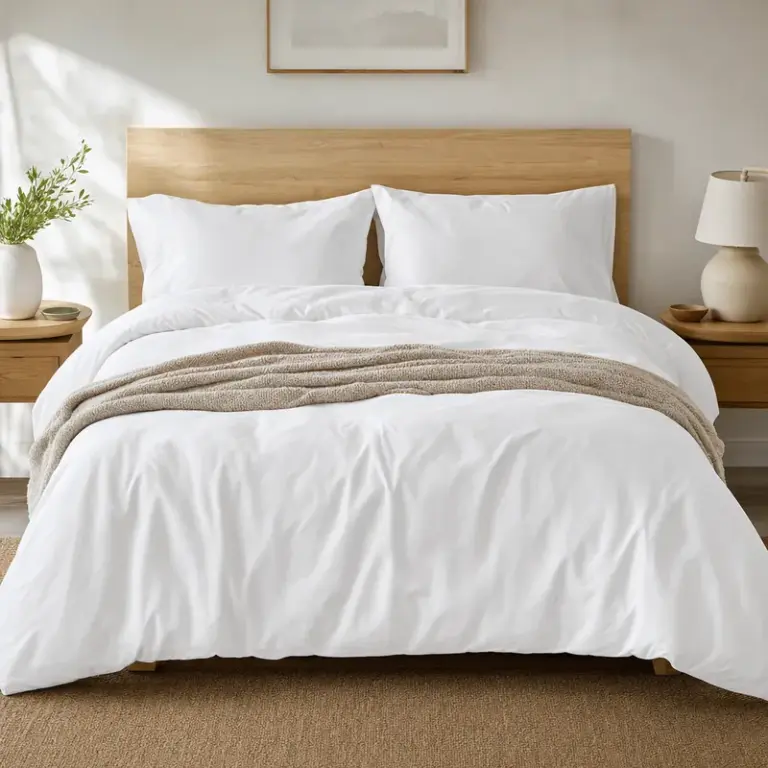
The Utopia Bedding Queen Comforter Duvet Insert suits anyone looking for lightweight, budget-friendly bedding for a guest room, a first apartment, or everyday use. At 88 × 88 inches, it fits standard queen beds and duvet covers. According to the listing, it has a polyester shell with siliconized fibre fill, box-stitch construction with piped edges, built-in corner tabs to attach a duvet cover, and machine-wash care (cold water, tumble dry no heat). Wirecutter named it a budget pick in its comforter review, describing it as light, feather-free, and inexpensive. The insert is thinner and less fluffy than premium options, and the listing does not state a warranty, so check the listing for coverage. It works well for shoppers who want an affordable insert they can use on its own or pair with a separate cover.
Bedsure Duvet Cover Set (Queen, 3-Piece)
The Bedsure Duvet Cover Set (Queen, 3-Piece) is an option for anyone looking for microfiber bedding on a budget. The set includes a 90 × 90-inch duvet cover and two pillow shams, made from prewashed polyester microfiber. According to the brand, the fabric is soft. The cover has eight corner ties inside to secure a duvet insert, a zipper closure, and machine-wash care. Multiple colour options are offered on the listing. The material is polyester, not a natural fibre like cotton or linen, and no warranty information is stated, so check the listing for any coverage. This set suits shoppers who prefer the easy care and wrinkle resistance of microfiber and want an affordable way to protect a comforter and change their bedroom’s look.
Utopia Bedding
Utopia Bedding Queen Comforter Duvet Insert Review
Best for Budget bedding, guest rooms, lightweight warmth
A lightweight polyester duvet insert with box-stitch construction and corner tabs for standard queen beds.
Bedsure
Bedsure Duvet Cover Set (Queen, 3-Piece)
Best for Shoppers looking for microfiber bedding on a budget
A three-piece queen duvet cover set in prewashed polyester microfiber with zipper closure and eight corner ties.
As an Amazon Associate I earn from qualifying purchases. How we make money
Frequently asked questions
Can I use a comforter without a duvet cover?
Yes. Many comforters are designed to be used on their own, with a finished decorative shell. You simply lay the comforter over your sheets like a bedspread. The trade-off is that you’ll need to wash the entire comforter regularly, which can be bulky and time-consuming. Using a duvet cover protects the comforter and lets you wash the lightweight cover more often, extending the life of the insert.
What is the difference between a comforter and a duvet insert?
In practice, there is little difference—the terms are often used interchangeably in Canada. Both refer to a quilted blanket filled with down, down alternative, or synthetic fibres. ‘Comforter’ is sometimes used for a product meant to sit directly on the bed, while ‘duvet insert’ suggests it will go inside a cover, but many products work either way. Check the listing for corner tabs (a sign it’s designed for use with a cover) and the shell finish (decorative shells can be used alone).
How do I keep my duvet insert from bunching inside the cover?
Look for a comforter with corner tabs or loops and a duvet cover with matching ties or loops inside each corner. Before you close the cover, tie or button the tabs to the loops so the insert stays anchored in place. Duvet clips can also help. If your current bedding doesn’t have tabs and ties, you can sew ribbon loops onto the comforter’s corners and add ties inside the cover.
Do I need to buy a comforter and duvet cover in the same size?
The cover should be the same size as the comforter or slightly larger. If the cover is too small, it will stretch and strain; if it’s too large, the insert will shift and bunch. Measure your comforter’s width and length, then compare those dimensions with the cover’s measurements on the listing.