How to Choose Running Shoes: Neutral vs Stability
Last updated: October 7, 2026
Cali's Cart is reader-supported. When you buy through our links we may earn a commission, at no extra cost to you. As an Amazon Associate I earn from qualifying purchases. Learn more
Choosing between neutral and stability running shoes can feel overwhelming when you’re staring at rows of options online or in a store. The difference comes down to how much guidance your foot needs during your stride. Neutral shoes are designed for runners who want cushioning and flexibility without added support features, while stability shoes include elements meant to guide the foot through its natural motion. Understanding which category suits your running style is the first step toward a more comfortable run.
This guide walks you through the key differences between neutral and stability shoes, what to look for in each type, and how to make sure you’re choosing the right fit for your feet. We’ve researched current models and compiled practical advice to help you shop with confidence, whether you’re new to running or simply looking to replace an old pair.
In short
- Neutral shoes offer cushioning without guidance features; stability shoes add support elements to guide your stride
- Try shoes later in the day when feet are slightly swollen, and leave about a thumb’s width at the toe
- Consider visiting a running store for a gait check to understand your natural foot motion
Understanding Neutral Running Shoes
Neutral running shoes are built for runners who don’t need extra guidance or correction in their stride. These shoes focus on cushioning and shock absorption, allowing your foot to move naturally through each step. The midsole is typically uniform in density, without firmer sections or support rails. If you’ve been running comfortably in neutral shoes, or if a gait analysis shows you don’t need stability features, a neutral shoe is likely your best match.
The Brooks Ghost 17 is an example of a neutral design. According to the listing, it’s built for road running and walking with a midsole that includes flex grooves for smooth transitions. The shoe features DNA LOFT v3 nitrogen-infused cushioning in the midsole, a double jacquard air mesh upper for breathability, and a rubber outsole with recycled silica. The listing describes it as a neutral support design with a lace-up closure and a kick-back collar for support and structure.
Neutral shoes suit runners whose feet don’t roll excessively inward or outward during the gait cycle. They’re also a good choice for walkers who want everyday cushioning without added support elements. Keep in mind that neutral doesn’t mean minimal—many neutral shoes offer substantial cushioning and structure, just without the guidance features found in stability models.
Understanding Stability Running Shoes
Stability shoes add support features designed to guide your foot through its natural motion. These features can include firmer foam sections along the inner edge of the midsole, support posts, or guide rails that help control side-to-side movement. The goal is to provide a gentle nudge that keeps your stride aligned, rather than forcing your foot into a rigid position. If you’ve noticed that your shoes wear unevenly, or if a running store gait check suggests you could benefit from guidance, stability shoes are worth considering.
The Brooks Adrenaline GTS 25 is designed for runners and walkers seeking stability and cushioned support. According to the listing, it features a GuideRails holistic support system and DNA Loft v3 nitrogen-infused cushioning. The shoe has an engineered mesh upper with a flat-knit collar, and a rubber outsole designed for smooth transitions. Runner’s World reviewed this model and found that the updated guide rails and lighter DNA Loft v3 foam guide the stride gently, without the pushy feel of earlier versions, and stay comfortable over long miles.
Stability shoes aren’t just for serious runners—they’re also common among walkers and casual joggers who want a little extra support. The key is to choose a shoe that provides guidance without feeling restrictive. Modern stability designs have moved away from heavy, rigid support structures toward lighter, more flexible systems that work with your foot rather than against it.
How to Tell Which Type You Need
The most reliable way to determine whether you need neutral or stability shoes is to visit a running store that offers gait analysis. A staff member will watch you walk or run on a treadmill and assess how your foot moves through each stride. This observation can reveal whether your foot rolls inward excessively, stays neutral, or rolls outward, which helps guide the shoe recommendation. Many stores offer this service at no charge, and it’s worth the trip if you’re unsure.
If a gait analysis isn’t an option, look at your current shoes for clues. Check the wear pattern on the outsole: if the wear is concentrated along the inner edge, you might benefit from stability features. If the wear is relatively even across the sole, a neutral shoe is likely a good match. You can also pay attention to how your feet feel during and after a run. If you experience discomfort along the inner ankle or arch, or if your knees feel strained, a stability shoe might offer the support you need. However, discomfort can have many causes, so consider consulting a healthcare professional if pain persists.
Remember that your needs can change over time. Factors like weight changes, increased mileage, or simply aging can affect how your foot moves. It’s worth reassessing your shoe type every year or two, especially if you’ve noticed changes in how your runs feel.
Key Features to Look for in Both Types
Regardless of whether you choose neutral or stability, certain features matter for comfort and durability. Cushioning is one of the most important: look for midsole materials that absorb shock without feeling too soft or unstable. Many modern running shoes use nitrogen-infused foams or other advanced materials that balance cushioning with responsiveness. The upper should be breathable—mesh is common—and should fit snugly without pinching. Check the listing for details on materials and construction.
The outsole material and tread pattern affect traction and durability. Rubber outsoles are standard for road running, and some incorporate recycled materials. The heel counter (the stiff section around the back of the shoe) should hold your heel securely without digging in. The collar and tongue should be padded enough to prevent irritation. Some shoes also feature reflective elements for visibility if you run in low light, though this isn’t universal.
Weight is another consideration: lighter shoes can feel faster and less tiring over long distances, but they may sacrifice some cushioning or durability. Heavier shoes often offer more support and protection. Think about your typical running distance and surface when weighing these trade-offs. Finally, check the care instructions—some running shoes require hand washing only, which can be inconvenient if you prefer machine washing.
Common Mistakes to Avoid
One of the most common mistakes is choosing a shoe based on appearance rather than function. A shoe might look sleek or come in your favourite colour, but if it doesn’t match your foot’s needs, you’ll likely end up uncomfortable. Always prioritize fit and support type over aesthetics. Another mistake is assuming that a higher price automatically means a better shoe. While premium models often include advanced materials or features, a mid-range shoe that fits your foot well will serve you better than an expensive model that doesn’t.
Many runners also make the error of buying shoes that are too small. Your feet swell during a run, and you need extra room in the toe box to accommodate this. Leave about a thumb’s width between your longest toe and the front of the shoe. Trying shoes on later in the day, when your feet are slightly swollen, gives you a more accurate sense of fit. Don’t rely solely on your usual shoe size—sizing can vary between brands and even between models from the same brand. Always check the size chart on the listing and read any fit notes provided.
Finally, resist the urge to wear running shoes for too long. Even if they still look fine, the cushioning and support break down over time, typically after several hundred kilometres of use. Continuing to run in worn-out shoes can lead to discomfort and may increase your risk of strain. Keep track of your mileage and plan to replace your shoes before they’re completely worn out.
Quick Checklist Before You Buy
Before you finalize your purchase, run through this checklist to make sure you’ve covered the essentials:
- Have you determined whether you need neutral or stability support? (Consider a gait check if unsure.)
- Have you checked the size chart on the listing and measured your feet if needed?
- Are you trying shoes on later in the day, or at least accounting for foot swelling?
- Is there about a thumb’s width of space at the toe when you’re standing?
- Have you checked the materials and care instructions to make sure they suit your routine?
- Does the shoe have the cushioning level and weight you want for your typical runs?
- If you’re switching from one type to the other (neutral to stability or vice versa), are you prepared for an adjustment period?
Making the Final Decision
Once you’ve narrowed down your options, trust your research and your feet. If you’ve had a gait analysis or have a history of running comfortably in a particular type of shoe, lean on that experience. If you’re new to running or switching types, give yourself a few runs to adjust—shoes can feel different at first, and it takes time for your feet and legs to adapt to a new level of support or cushioning.
Remember that the “best” shoe is the one that fits your foot and meets your needs, not the one with the most features or the flashiest design. Both neutral and stability shoes have their place, and neither is inherently better than the other. The right choice depends entirely on how your foot moves and what feels comfortable to you. For a side-by-side look at two models, check out our comparison: Brooks Adrenaline GTS 25 vs Ghost 17: Stability or Neutral?
Finally, keep in mind that running shoes are just one part of a comfortable running routine. Proper warm-up, gradual mileage increases, and attention to your body’s signals all play a role in keeping you healthy and enjoying your runs. If you’re looking for more running-related gear, browse our Gifts for Runners guide for inspiration.
Products to compare
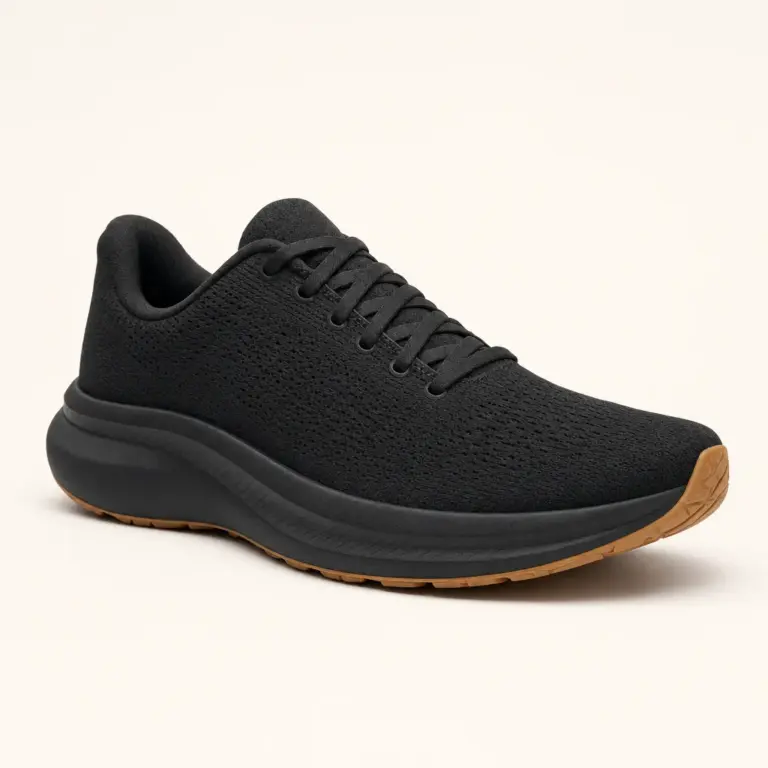
Brooks Adrenaline GTS 25
The Brooks Adrenaline GTS 25 is designed for runners and walkers seeking stability and cushioned support. According to the listing, it features a GuideRails holistic support system and DNA Loft v3 nitrogen-infused cushioning, along with an engineered mesh upper with a flat-knit collar and a rubber outsole designed for smooth transitions. Runner’s World reviewed this model and found that the updated guide rails and lighter DNA Loft v3 foam guide the stride gently, without the pushy feel of earlier versions, and stay comfortable over long miles. The shoe is available in many colour options and a wide range of sizes and widths. Keep in mind that it requires hand washing only, and it’s not suited for those who prefer neutral shoes without support features. For more details, visit the Brooks Adrenaline GTS 25 product page or read the Runner’s World review.
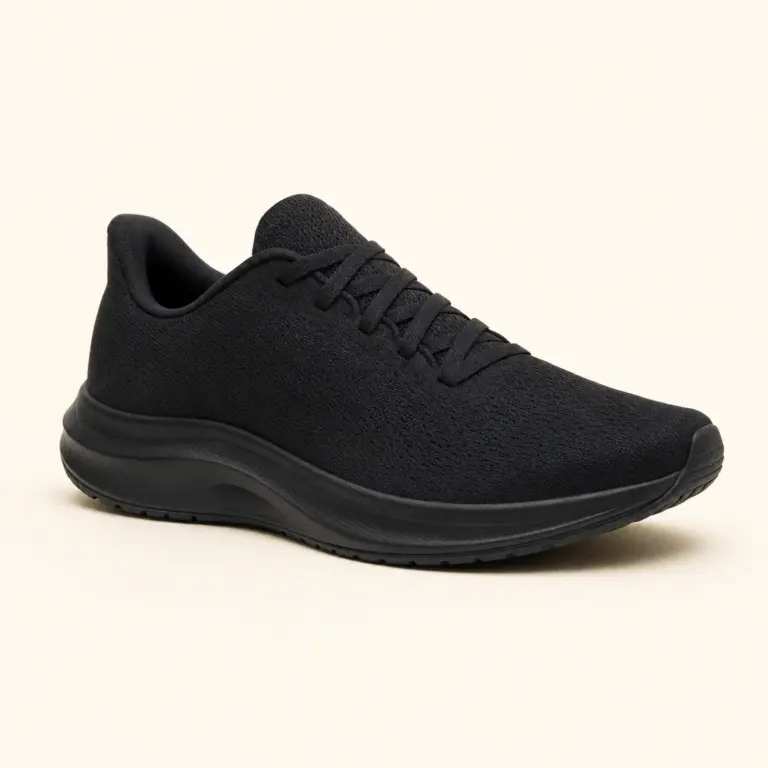
Brooks Ghost 17
The Brooks Ghost 17 is a neutral support design built for road running and walking. According to the listing, it features DNA LOFT v3 nitrogen-infused cushioning in the midsole, a double jacquard air mesh upper for breathability, and a rubber outsole with recycled silica. The shoe has a midsole with flex grooves for smooth transitions and a kick-back collar for support and structure, with a lace-up closure. The listing describes it as suitable for neutral runners and walkers seeking everyday cushioning. It’s available in many colour options, though availability varies by colour and size. This shoe is not designed for those needing stability support features. Always check the size chart on the listing to find your best fit. For more information, visit the Brooks Ghost 17 product page.
Brooks
Brooks Adrenaline GTS 25 Review
Best for Runners and walkers seeking stability and cushioned support
A stability running shoe with GuideRails support and nitrogen-infused DNA Loft v3 cushioning for runners and walkers.
Brooks
Brooks Ghost 17
Best for Neutral runners and walkers seeking everyday cushioning
A neutral running shoe with nitrogen-infused cushioning, breathable mesh upper, and recycled rubber outsole for road running and walking.
As an Amazon Associate I earn from qualifying purchases. How we make money
Frequently asked questions
Can I wear stability shoes if I don’t need extra support?
You can, but it’s generally not recommended. Stability shoes are designed to guide your stride in a specific way, and if your foot doesn’t need that guidance, the support features might feel restrictive or uncomfortable. You’ll likely be happier with a neutral shoe that allows your foot to move naturally. If you’re unsure which type you need, consider a gait analysis at a running store.
How do I know if my running shoes still have enough cushioning?
Press on the midsole with your thumb—if it feels firm and doesn’t bounce back quickly, the cushioning has likely broken down. You might also notice that your runs feel harder on your joints, or that the shoes feel flat underfoot. Most running shoes lose their cushioning after several hundred kilometres of use, even if the outsole still looks fine. Keeping a rough log of your mileage can help you know when it’s time to replace them.
Should I buy the same size in running shoes as I do in regular shoes?
Not necessarily. Running shoe sizing can vary between brands and models, and you typically need a bit more room in the toe box than you would in everyday shoes. Always check the size chart on the listing and measure your feet if you’re between sizes. Try shoes on later in the day when your feet are slightly swollen, and make sure there’s about a thumb’s width of space at the toe. If you’re shopping online, read any fit notes provided by the brand or in customer feedback.
Can I switch from neutral to stability shoes or vice versa?
Yes, but give yourself time to adjust. Switching shoe types changes how your foot moves through each stride, and your muscles and tendons need a few runs to adapt. Start with shorter distances and pay attention to how your feet and legs feel. If you experience new discomfort that doesn’t improve after a week or two, the new shoe type might not be the right match. Consider consulting a running store or healthcare professional if you’re unsure about making the switch.