Lodge Cast Iron Skillet vs Lodge Enameled Dutch Oven: Which First?
Last updated: October 8, 2026
Cali's Cart is reader-supported. When you buy through our links we may earn a commission, at no extra cost to you. As an Amazon Associate I earn from qualifying purchases. Learn more
The Lodge Pre-Seasoned 12-Inch Cast Iron Skillet and the Lodge 6-Quart Enameled Cast Iron Dutch Oven are both mid-range to premium pieces of cookware from Lodge, but they do completely different jobs in the kitchen. The skillet is a 12-inch pre-seasoned cast iron pan designed for searing, pan-frying and oven-to-table cooking, while the Dutch oven is a 6-quart (5.6-litre) enameled pot built for soups, stews, braises and bread baking. Wirecutter named the skillet its pick for a deeper, heavier cast iron pan and the Dutch oven its top Dutch oven pick, noting that it cooks just as well as more expensive pots.
If you’re setting up your first kitchen or adding one foundational piece, the question comes down to how you cook most often. We researched both products to compare their design, size, care requirements and what each suits best, so you can decide which one to buy first.
In short
- The Lodge 12-inch skillet sears, pan-fries and bakes cornbread; the 6-quart enameled Dutch oven braises, makes soups and bakes bread.
- The skillet weighs 3.58 kg and needs hand washing, drying and re-oiling; the enameled pot weighs 6.75 kg full and requires hand washing.
- Choose the skillet if you cook for one or two and want searing and stovetop cooking; choose the Dutch oven if you batch-cook soups, stews and braises.
| Feature | Lodge Pre-Seasoned 12-Inch Cast Iron Skillet | Lodge 6-Quart Enameled Cast Iron Dutch Oven Review |
|---|---|---|
| Brand | Lodge | Lodge |
| Best for | Searing, cornbread and oven-to-table cooking | Soups, stews, braises and bread baking |
| Not ideal for | Anyone who can't comfortably lift 3.6 kg | Small households who want lightweight pots |
| Price | $$$ Premium price tierAbout $45 to $60 (varies by size)Typical range, Oct 2026 | $$$ Premium price tierAbout $130 to $180 (varies by colour)Typical range, Oct 2026 |
| Key features |
|
|
| Where to buy | Check Price | Check Price |
Swipe sideways to see every product.
As an Amazon Associate I earn from qualifying purchases. How we make money
Design and Materials
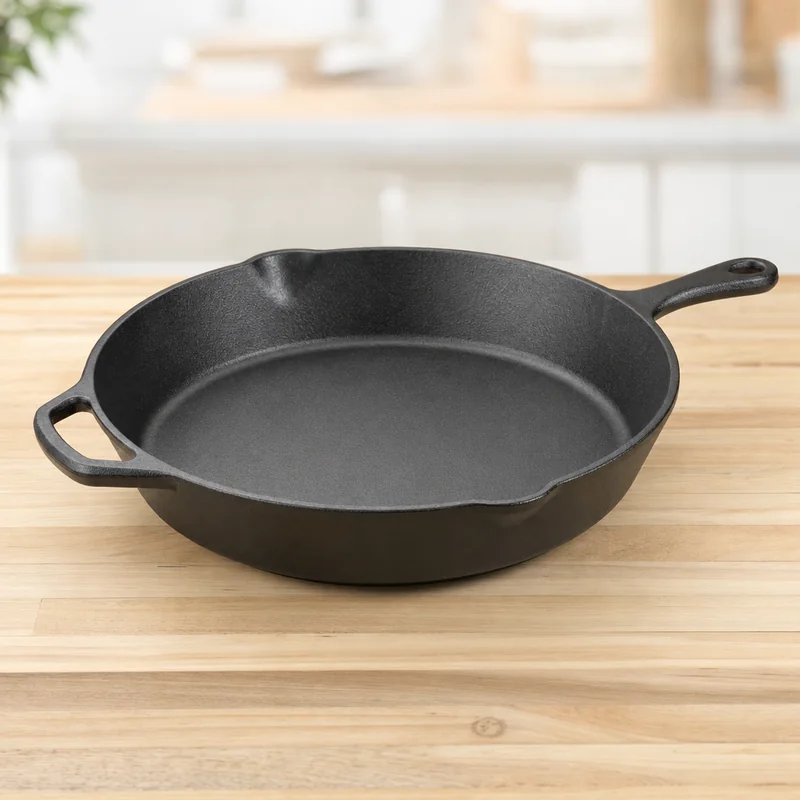
The Lodge 12-inch skillet is made from cast iron and comes pre-seasoned with soy-based oil, according to the listing. The entire pan—including the handle—is cast iron, so the handle gets very hot on the stovetop and in the oven, and you’ll need a mitt every time you move it. The listing says it works on gas, electric and induction cooktops and is oven safe up to 500 °F. Wirecutter describes it as heavy, and the listing confirms it weighs 3.58 kg. The skillet is 12 inches in diameter and 2 inches deep, with a charcoal finish.
The Lodge 6-quart enameled Dutch oven is also cast iron, but it’s coated with enamel inside and out, so it doesn’t need seasoning. The listing says the pot has a 5.6-litre capacity, a round shape and stainless steel loop handles and knob. According to the brand, it’s oven safe, and the listing notes it’s suitable for induction cooktops. The pot itself weighs 6.75 kg, and Wirecutter points out that it’s heavy when full. The enamel finish comes in Island Spice Red on this listing, but Wirecutter notes that colours are sold as separate listings, so price and stock can differ by colour.
Both pieces are heavy and require mitts when hot. The skillet’s bare cast iron surface needs hand washing, drying and re-oiling after each use, while the enameled pot’s interior is easier to clean but still hand wash recommended. Wirecutter advises avoiding metal utensils and sudden temperature changes to protect the enamel on the Dutch oven.
Size, Space and Setup
The 12-inch skillet fits a family-size batch of cornbread, four chicken thighs or two large steaks, according to typical cast iron skillet use. The 2-inch depth means you can pan-fry with a bit of oil or shallow-braise, but it’s not deep enough for soups or stews. Before you buy, measure your stovetop burners and oven racks to confirm the 12-inch diameter fits comfortably, and check that you can lift and pour from a 3.58 kg pan—Wirecutter notes it’s not for anyone who can’t comfortably handle that weight.
The 6-quart Dutch oven holds enough for a large pot of soup, a whole chicken with vegetables, or a no-knead bread loaf. Wirecutter says it has a wide cooking area and roomy handles, which makes it easier to manoeuvre than some narrower pots. The listing gives the capacity as 5.6 litres, so measure your oven and stovetop to confirm it fits, and consider whether you have the strength to lift and pour from a pot that weighs 6.75 kg when full. The round shape fits most stovetops, but check the listing’s dimensions if you have a small cooktop or oven.
Both pieces take up significant cabinet or shelf space. The skillet can hang from a pot rack if you have one, and the Dutch oven needs a sturdy shelf or lower cabinet. If you’re short on storage, the skillet is easier to tuck into a drawer or hang, while the Dutch oven is bulkier and heavier to move.
How Each Suits Different Homes and Needs
The Lodge 12-inch skillet is best for searing, cornbread and oven-to-table cooking, according to our research. If you cook for one or two people and want a pan that can sear a steak, fry eggs, bake cornbread or roast vegetables, the skillet does all of that on the stovetop and in the oven. It’s also a good choice if you’re building a starter cookware set and already have a pot for soups and pasta. The skillet’s pre-seasoned surface is ready to use, but it does require hand washing, drying and re-oiling after every use, which adds a step to cleanup.
The Lodge 6-quart enameled Dutch oven is best for soups, stews, braises and bread baking. If you batch-cook on weekends, make large pots of chili or soup, braise meat or bake no-knead bread, the Dutch oven is the more versatile first piece. Wirecutter found it cooks just as well as more expensive pots, and the enameled interior is easier to clean than bare cast iron—no seasoning or re-oiling required. The 6-quart capacity suits families or anyone who meal-preps, but it’s heavy when full, so it’s not for small households who want lightweight pots.
If you already own a nonstick skillet for everyday eggs and pan-frying, the Dutch oven fills a different role and lets you make dishes you can’t cook in a skillet. If you already have a soup pot, the skillet adds high-heat searing and oven baking to your toolkit. For more on cast iron versus nonstick, see our comparison of cast iron vs nonstick skillets.
Care, Upkeep and Value
The Lodge skillet requires hand washing only, according to the listing. After each use, wash it by hand, dry it completely and rub a thin layer of oil onto the surface to maintain the seasoning—this is standard cast iron care. Wirecutter notes that the handle gets very hot, so you’ll need a mitt every time you move the pan. The listing says Lodge backs the skillet with a lifetime warranty, and it’s made in the USA. Over time, the seasoning builds up and the pan becomes more nonstick, but you’ll need to re-season it if the surface gets damaged or rusty.
The Lodge Dutch oven is hand wash recommended, according to the listing. The enameled interior doesn’t need seasoning or oiling, so cleanup is simpler than bare cast iron, but Wirecutter advises avoiding metal utensils and sudden temperature changes to protect the enamel. The handles and knob get hot, so use mitts when moving the pot. The listing doesn’t specify a warranty beyond what Lodge offers, so check the listing for current warranty details. The enamel can chip if you drop the pot or bang it against hard surfaces, so handle it carefully and store it where it won’t knock against other pots.
Both pieces are mid-range to premium investments that can last decades with proper care. The skillet’s upkeep is more involved—hand wash, dry and re-oil after every use—but it’s nearly indestructible. The Dutch oven’s enamel is easier to maintain day-to-day, but it’s more fragile if dropped. If you’re looking for kitchen housewarming gifts or building a soup season kitchen, either piece is a solid choice depending on the recipient’s cooking style.
Choose the Lodge Pre-Seasoned 12-Inch Cast Iron Skillet if you
- You cook for one or two people and want a pan for searing, pan-frying and cornbread.
- You already have a soup pot and need a high-heat skillet for stovetop and oven cooking.
- You’re comfortable with hand washing, drying and re-oiling after every use.
- You can comfortably lift and pour from a 3.58 kg pan.
- You want a lifetime-warranty pan that builds seasoning over time.
Choose the Lodge 6-Quart Enameled Cast Iron Dutch Oven if you
- You batch-cook soups, stews, braises or bake bread regularly.
- You cook for a family or meal-prep in large quantities.
- You want easier cleanup without seasoning or re-oiling.
- You already own a skillet and need a pot for slow-cooked dishes.
- You can lift and pour from a pot that weighs 6.75 kg when full.
Which should you choose?
There’s no single winner here because the Lodge 12-inch skillet and the Lodge 6-quart enameled Dutch oven do completely different jobs. The skillet is the better first piece if you cook for one or two people, want high-heat searing and stovetop-to-oven versatility, and already have a pot for soups and pasta. The Dutch oven is the better choice if you batch-cook, make large pots of soup or stew, braise meat or bake bread, and already own a skillet or nonstick pan for everyday stovetop cooking.
To decide, ask yourself: Do you cook more one-pan dinners and seared proteins, or do you make large batches of soups, stews and braises? If the answer is searing and stovetop cooking, choose the skillet. If it’s batch cooking and slow-cooked dishes, choose the Dutch oven. If you cook both ways regularly, plan to add the other piece once your budget allows—both are foundational tools that last decades, and together they cover most of what you’ll cook at home.
Frequently asked questions
Can I use the Lodge skillet for soups and stews?
The 12-inch skillet is 2 inches deep, so you can make a shallow braise or a small batch of chili, but it’s not deep enough for large pots of soup or stew. For those dishes, the 6-quart Dutch oven is the better choice.
Do I need to season the enameled Dutch oven?
No. The Lodge enameled Dutch oven has an enamel coating inside and out, so it doesn’t need seasoning or re-oiling. Just hand wash it and avoid metal utensils and sudden temperature changes to protect the enamel.
Can I put either piece in the dishwasher?
No. The skillet’s listing says hand wash only, and the Dutch oven’s listing recommends hand washing. Dishwashers can damage the skillet’s seasoning and the Dutch oven’s enamel, so wash both by hand.
Which one is lighter and easier to handle?
The skillet weighs 3.58 kg, and the Dutch oven weighs 6.75 kg when full. The skillet is lighter and easier to lift, but both are heavy and require mitts when hot. If weight is a concern, check the listing’s dimensions and consider whether you can comfortably lift and pour from each piece.