How to Choose Sheets: Microfiber vs Cotton Percale vs Sateen
Last updated: October 7, 2026
Cali's Cart is reader-supported. When you buy through our links we may earn a commission, at no extra cost to you. As an Amazon Associate I earn from qualifying purchases. Learn more
Shopping for sheets means choosing between materials, weaves and finishes that all feel different on the bed. The three most common types you’ll encounter are microfiber (a brushed polyester), cotton percale (a crisp, plain weave) and cotton sateen (a smooth, lustrous weave). Each has a distinct texture, care routine and price point, and understanding the differences helps you match sheets to your climate, your preferences and your household’s laundry habits.
This guide walks through what sets microfiber, percale and sateen apart, what to expect from each type, and how to decide which suits your bedroom. We’ve also researched a few sheet sets across these categories to show you what’s available and what to look for on the listing before you buy.
In short
- Microfiber sheets are polyester-based, soft, wrinkle-resistant and budget-friendly, while cotton percale offers a crisp, breathable weave that softens over time but wrinkles easily.
- Sateen sheets have a silky, smooth finish with a subtle sheen, created by a different weave structure than percale, and tend to drape more heavily on the bed.
- Consider your sleep temperature, whether you prefer natural or synthetic fibres, how much ironing you’re willing to do, and your mattress depth when choosing a fitted sheet.
What is microfiber and how does it compare?
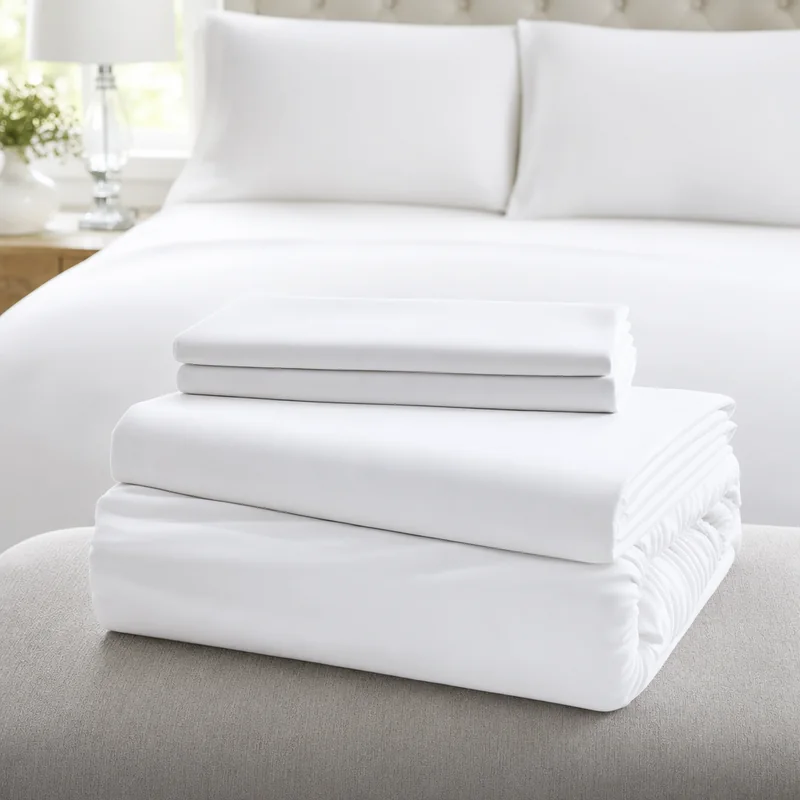
Microfiber sheets are made from polyester fibres that are brushed to create a soft, smooth surface. The CGK Unlimited Microfiber Sheet Set (Queen, 4-Piece), for example, uses double-brushed microfiber polyester and comes in a four-piece set with a fitted sheet, flat sheet and two pillowcases. According to the listing, the fitted sheet has deep pockets for mattresses up to around 16 inches, and the set is machine washable.
Microfiber is a synthetic material, not a natural fibre like cotton, so it behaves differently: it tends to resist wrinkles, dries quickly and holds colour well through repeated washing. TechGearLab tested microfiber sheets and named the CGK Unlimited set its best cooling option among microfiber, noting that it felt airy and lightweight compared to other polyester sheets, and that the fitted sheet had properly sized corners. The review also pointed out confusing ironing instructions on the care label and oversized envelope-style pillowcases. If you prefer natural fibres or find that polyester feels warm or clings to your skin, microfiber may not suit you, but it’s a practical, budget-friendly choice for guest rooms or first apartments.
Understanding cotton percale: the crisp, cool weave
Percale refers to a plain weave structure—one thread over, one thread under—that creates a matte, crisp finish. Cotton percale sheets feel cool and smooth to the touch when new, and they soften with washing and use. The RUVANTI 100% Cotton Percale Sheets (Queen) are made from 100% cotton percale with a 200 thread count, and the brand describes a crisp feel that softens over time. The four-piece queen set includes a fitted sheet with a 16-inch deep pocket, a flat sheet and two pillowcases, and it’s machine washable.
Elle’s roundup of percale sheets included RUVANTI’s cotton percale line (an editor roundup, not a lab test), and the publication noted that percale is crisp and can wrinkle. Because of the plain weave, percale allows air to move through the fabric, which may be comfortable in warm weather or if you tend to sleep hot. The trade-off is that percale wrinkles easily and may look rumpled unless you iron it or smooth it by hand when you make the bed. The 200 thread count may feel lighter and less dense than higher-count weaves, so if you prefer a heavier, silkier drape, sateen or a higher thread count percale might be a better match. Note that this set is sold by a third-party seller on Amazon.ca, so check the seller information on the listing.
What sateen sheets offer (and how they differ from percale)
Sateen is woven with more threads on the surface—typically four threads over and one under—which gives the fabric a smooth, slightly glossy finish and a heavier drape than percale. Sateen sheets feel silky and soft right out of the package, and they reflect a bit of light, giving the bed a subtle sheen. Because the weave is denser, sateen tends to be warmer than percale, and it’s less prone to wrinkling.
If you like a luxurious, hotel-like feel and you sleep cool or live in a colder climate, sateen may suit you well. If you sleep hot or prefer a matte, crisp texture, percale is usually the better choice. Sateen also shows wear differently: the surface can develop a slight pilling or lose its sheen over time, especially with frequent washing, so follow the care label and avoid harsh detergents or high heat in the dryer.
Duvet covers and alternative bedding styles
If you use a duvet insert instead of a flat sheet and blanket, you’ll need a duvet cover to protect it and add colour or pattern to your bed. The Bedsure Duvet Cover Set (Queen, 3-Piece) is made from prewashed polyester microfiber and includes a queen duvet cover measuring 90 by 90 inches and two pillow shams. According to the listing, the cover has eight corner ties inside to secure a duvet insert, a zipper closure and machine-wash care, and it’s available in multiple colours including white.
Duvet covers are a practical way to change the look of your bedroom without buying new bedding, and microfiber versions like this one are typically wrinkle-resistant and quick-drying. Because this is polyester rather than cotton, it won’t feel the same as a cotton percale or sateen duvet cover, so consider whether you prefer natural or synthetic fibres. The listing doesn’t state warranty information, so check the listing for details. For more on how duvet covers, inserts and comforters differ, see our guide Comforter vs Duvet Insert vs Duvet Cover: What Is the Difference?.
Common mistakes to avoid when choosing sheets
One frequent mistake is buying a fitted sheet without measuring your mattress height. Standard fitted sheets typically fit mattresses up to a certain depth, but pillow-top, memory foam and hybrid mattresses can be thicker. Both the CGK Unlimited microfiber set and the RUVANTI percale set list 16-inch deep pockets, but always measure your mattress from the surface to the bottom edge and compare it with the pocket depth on the listing to avoid a sheet that pops off the corners at night.
Another common error is expecting all cotton sheets to feel the same. Percale and sateen are both cotton, but they have completely different textures and care needs: percale is crisp and prone to wrinkles, while sateen is smooth and heavier. If you’ve only ever used one type, order a sample or read the listing carefully to understand what you’re getting. Finally, don’t assume that a higher thread count always means better quality. Very high thread counts can sometimes indicate multi-ply yarns or marketing rather than a genuinely finer weave, and a well-made lower-count percale can outlast a poorly made higher-count sateen.
Care and longevity: what to expect from each type
Microfiber sheets are generally low-maintenance: they resist wrinkles, dry quickly and hold up well to frequent washing. Wash them in cool or warm water with a mild detergent, and tumble dry on low heat. Avoid fabric softener, which can coat the fibres and reduce their softness over time. Microfiber may pill slightly with use, especially along seams or high-friction areas, but it’s durable and forgiving for everyday households.
Cotton percale and sateen both require a bit more care. Wash cotton sheets in warm or cool water, and tumble dry on low or line dry to minimize shrinkage. Percale will wrinkle in the dryer, so if you want a smooth look, either iron the sheets or pull them out while slightly damp and smooth them by hand on the bed. Sateen is less prone to wrinkles but can lose its sheen if washed in hot water or dried on high heat, so stick to gentle cycles and low temperatures. Both cotton weaves soften and improve with washing, so expect them to feel better after a few laundry cycles.
Quick checklist before you buy
Before you add sheets to your cart, measure your mattress depth and compare it with the fitted sheet’s pocket depth on the listing. Check the material and weave: microfiber is polyester and wrinkle-resistant, percale is crisp cotton that wrinkles easily, and sateen is smooth cotton with a sheen and heavier drape. Confirm the number of pieces in the set—some include two pillowcases, others include only one or none—and make sure the size matches your bed (twin, full, queen, king).
Read the care instructions on the listing to see if the sheets are machine washable and what temperature and dryer settings the brand recommends. If you’re buying a set sold by a third-party seller, check the seller information on the listing. Finally, consider your own preferences: do you sleep hot or cold? Do you mind ironing? Do you prefer natural fibres or are you comfortable with polyester? Answering these questions will help you narrow down the type of sheet that suits your bedroom and your routine. For more bedding ideas, browse our Bedroom & Bedding category or see Best Budget Bedding Upgrades for affordable ways to refresh your bed.
Products to compare
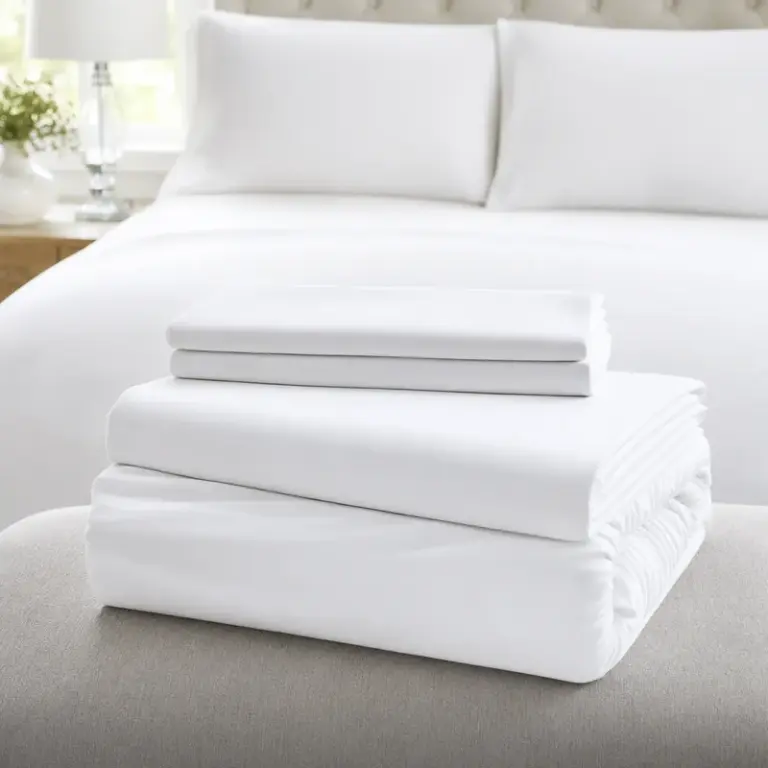
CGK Unlimited Microfiber Sheet Set (Queen, 4-Piece)
The CGK Unlimited Microfiber Sheet Set suits guest rooms, first apartments and anyone looking for affordable, low-maintenance bedding. According to TechGearLab, which tested microfiber sheets and named this set its best cooling option among them, the sheets felt airy and lightweight for microfiber, and the fitted sheet had properly sized corners. The four-piece queen set includes a fitted sheet with deep pockets for mattresses up to around 16 inches, a flat sheet and two pillowcases, and it’s machine washable. The listing says the microfiber is double-brushed, and the set is available in white and other colours. Downsides TechGearLab noted include confusing ironing instructions on the care label and oversized envelope-style pillowcases. Because this is polyester rather than cotton, it’s not the right choice if you prefer natural fibres.
RUVANTI 100% Cotton Percale Sheets (Queen)
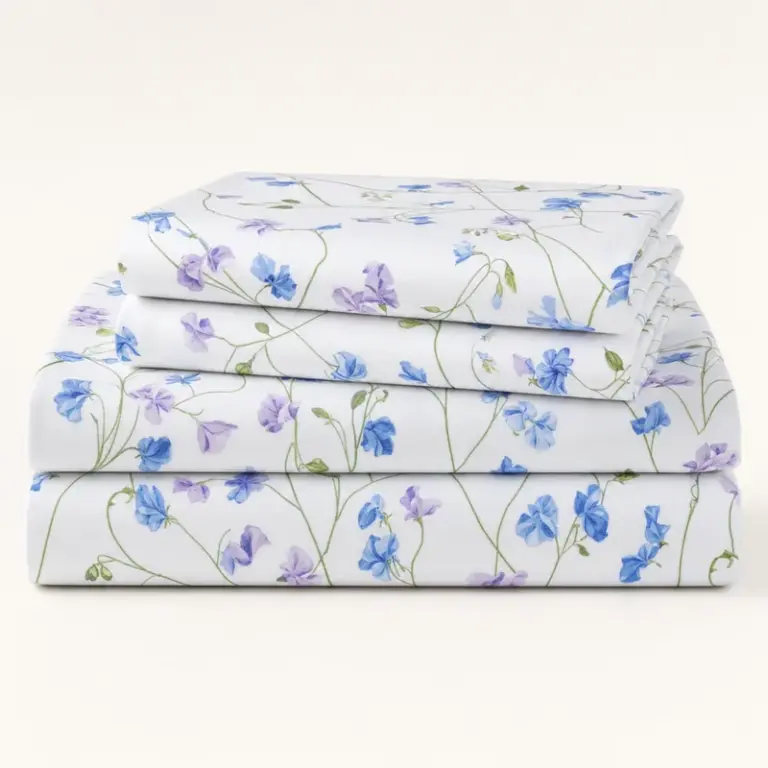
The RUVANTI 100% Cotton Percale Sheets are a good match for hot sleepers and anyone who prefers crisp, breathable cotton bedding. The four-piece queen set is made from 100% cotton percale with a 200 thread count, and the brand describes a crisp feel that softens with washing. The fitted sheet has a 16-inch deep pocket for thicker mattresses, and the set includes a flat sheet and two pillowcases. Elle’s roundup of percale sheets covered RUVANTI’s percale line (an editor roundup, not a lab test), and the publication noted that percale is crisp and can wrinkle. According to the listing, the sheets are machine washable and available in Sweet Pea and other colours. Keep in mind that percale wrinkles easily, so you’ll need to iron or smooth the sheets by hand if you want a polished look, and the 200 thread count may feel lighter than higher-count weaves. This set is sold by a third-party seller on Amazon.ca, so check the seller information on the listing.
Bedsure Duvet Cover Set (Queen, 3-Piece)
The Bedsure Duvet Cover Set is an option for shoppers looking for microfiber bedding on a budget. The three-piece queen set includes a duvet cover measuring 90 by 90 inches and two pillow shams, and according to the listing, it’s made from prewashed polyester microfiber. The cover has eight corner ties inside to secure a duvet insert, a zipper closure and machine-wash care, and it’s available in white and other colours. Because this is polyester rather than cotton, it won’t feel the same as a natural-fibre duvet cover, so it’s not the right choice if you prefer cotton. The listing doesn’t state warranty information, so check the listing for details.
CGK Unlimited
CGK Unlimited Microfiber Sheet Set (Queen, 4-Piece) Review
Best for Guest rooms, first apartments, budget-friendly bedding
Brushed microfiber sheet set with deep pockets for mattresses up to 16 inches, machine washable and available in multiple colours.
RUVANTI
RUVANTI 100% Cotton Percale Sheets (Queen)
Best for Hot sleepers and those who prefer crisp cotton sheets
Four-piece queen set in 100% cotton percale with a crisp, breathable weave and 16-inch deep pocket.
Bedsure
Bedsure Duvet Cover Set (Queen, 3-Piece)
Best for Shoppers looking for microfiber bedding on a budget
A three-piece queen duvet cover set in prewashed polyester microfiber with zipper closure and eight corner ties.
As an Amazon Associate I earn from qualifying purchases. How we make money
Frequently asked questions
What is the difference between percale and sateen sheets?
Percale is a plain weave (one thread over, one under) that creates a crisp, matte finish and a lighter, cooler feel. Sateen uses a different weave structure (typically four threads over, one under) that produces a smooth, slightly glossy surface and a heavier drape. Percale wrinkles easily and feels cool and breathable, while sateen is silkier, warmer and less prone to wrinkles.
Are microfiber sheets as good as cotton?
Microfiber and cotton are different materials with different qualities. Microfiber is polyester, so it’s wrinkle-resistant, dries quickly and is typically more affordable, but it’s a synthetic fibre. Cotton is a natural fibre that breathes well and softens over time, but it wrinkles more easily and usually costs more. Neither is objectively better; it depends on whether you prefer natural fibres, how much you’re willing to spend, and how much ironing you’re willing to do.
How do I know what size fitted sheet I need?
Measure your mattress from the top surface to the bottom edge to get the depth (height), then compare that measurement with the fitted sheet’s pocket depth on the listing. Make sure the pocket depth is at least as deep as your mattress, with a bit of extra room, so the sheet doesn’t pop off the corners.
Do I need to iron percale sheets?
You don’t have to iron percale sheets, but they will look wrinkled if you don’t. Percale’s plain weave makes it prone to creasing in the dryer. If you want a smooth, crisp look, you can iron the sheets or pull them out of the dryer while slightly damp and smooth them by hand on the bed. If you don’t mind a more relaxed, lived-in appearance, you can skip ironing altogether.