Benzoyl Peroxide Face Wash: What to Know Before You Buy
Last updated: October 7, 2026
Cali's Cart is reader-supported. When you buy through our links we may earn a commission, at no extra cost to you. As an Amazon Associate I earn from qualifying purchases. Learn more
Benzoyl peroxide face wash is one of the most researched over-the-counter options for acne care, and it’s widely available at drugstores and online across Canada. According to the American Academy of Dermatology, benzoyl peroxide helps kill acne-causing bacteria and is the active ingredient in many acne products found online and in stores. But while it’s effective for many people, benzoyl peroxide requires careful use—it can bleach fabrics, cause dryness and irritation, and isn’t suitable for everyone.
If you’re considering a benzoyl peroxide wash for the first time, or if you’ve had mixed results in the past, understanding how it works, what strength to start with and how to use it safely will help you make a more informed choice. This guide walks through the practical details: what benzoyl peroxide does, how to choose a formula that suits your skin, common mistakes to avoid and what to look for before you buy. We’ve also researched two widely available options—PanOxyl Acne Wash 4% Benzoyl Peroxide and CeraVe Foaming Face Wash—to show how different formulas fit different needs.
In short
- Benzoyl peroxide works on acne-causing bacteria and comes in different strengths; lower concentrations are generally gentler on skin.
- It can bleach towels, pillowcases and clothing, and may cause dryness, redness or irritation—patch test and start slowly.
- The American Academy of Dermatology notes benzoyl peroxide is most effective when used alongside another treatment.
- Persistent, painful or severe acne should be evaluated by a doctor or dermatologist; over-the-counter products are designed for mild-to-moderate breakouts.
What benzoyl peroxide does (and what it doesn’t)
Benzoyl peroxide is designed to help kill the bacteria associated with acne breakouts. The American Academy of Dermatology describes it as an ingredient that works on acne bacteria and is most effective when used alongside another treatment, such as a topical retinoid or salicylic acid. It’s available in different product forms—washes, gels, creams and leave-on treatments—and comes in different strengths; lower strengths are generally gentler on the skin.
What benzoyl peroxide doesn’t do is treat the underlying causes of acne, such as hormonal fluctuations or excess oil production. It’s a cosmetic ingredient designed to help reduce breakouts, not a cure. For persistent, painful or severe acne, or acne that doesn’t respond to over-the-counter products, see a doctor or dermatologist. Prescription treatments may be more appropriate, and a healthcare provider can rule out other skin conditions that may look like acne.
Understanding strengths and formulas
Benzoyl peroxide comes in different strengths, and lower strengths are generally gentler on the skin. A 4% formula is often recommended for people starting out, while higher-strength formulas may be more irritating. Higher strength doesn’t necessarily mean better results—research suggests that lower concentrations can be effective with fewer side effects, especially when used consistently.
Wash-off formulas, like the ones in this guide, are generally less irritating than leave-on gels or creams because they spend less time on the skin. A wash can be a practical first step if you’re new to benzoyl peroxide or if you have dry or sensitive skin. If you’re already using other acne treatments—such as retinoids, salicylic acid or prescription products—a wash may help you layer treatments without overloading your skin.
This means the product has been reviewed for safety and efficacy as an acne treatment. Check the packaging or listing if this matters to you.
Side effects and safety precautions
Benzoyl peroxide can cause dryness, redness, peeling or irritation, especially when you first start using it. These side effects are common and often improve as your skin adjusts, but they can be minimized by starting slowly. Use the wash once every other day for the first week or two, then gradually increase frequency as tolerated. Always patch test a new product on a small area of skin before applying it to your entire face.
One of the most important things to know about benzoyl peroxide is that it can bleach towels, pillowcases, clothing and any fabric it comes into contact with. Use white or light-coloured towels, and rinse the sink thoroughly after washing your face. If you’re using it on your body—chest or back—wear an old T-shirt to bed and use towels you don’t mind staining. This isn’t a minor inconvenience; it’s a genuine drawback that affects daily use.
If you experience severe irritation, burning, swelling or an allergic reaction, stop using the product immediately and consult a healthcare provider. People with very dry or sensitive skin, eczema or rosacea should approach benzoyl peroxide with caution and may need to use it less frequently or choose a gentler formula. Follow the product label for directions, and remember that benzoyl peroxide is one tool in a broader skincare routine—moisturizer and sunscreen remain essential.
Common mistakes to avoid
Many people use too much benzoyl peroxide too soon, which leads to irritation and discourages continued use. Start with a lower strength, use it infrequently at first, and give your skin time to adjust. Don’t combine benzoyl peroxide with other strong actives—like high-strength retinoids or chemical exfoliants—without understanding how they interact. Layering too many treatments at once increases the risk of irritation and can damage your skin barrier.
Another common mistake is expecting immediate results. Benzoyl peroxide is designed to help reduce breakouts over time, not overnight. It may take several weeks of consistent use to see improvement, and results vary from person to person. If you don’t see any change after eight to twelve weeks, or if your acne worsens, consult a doctor or dermatologist rather than increasing the strength or frequency on your own.
Pairing benzoyl peroxide with the rest of your routine
Because benzoyl peroxide can be drying, it’s important to use a gentle cleanser on the days you’re not using a benzoyl peroxide wash, and to follow every wash with a moisturizer. Look for a fragrance-free, non-comedogenic moisturizer that supports your skin barrier—ingredients like ceramides, niacinamide and hyaluronic acid are helpful. If you’re using benzoyl peroxide in the morning, apply sunscreen after your moisturizer; benzoyl peroxide itself doesn’t make your skin more sensitive to the sun, but many acne treatments do, and sunscreen is a non-negotiable part of acne care.
If you’re using other acne treatments, such as a retinoid or salicylic acid, consider using benzoyl peroxide in the morning and the other treatment at night to reduce the risk of irritation. The American Academy of Dermatology notes that benzoyl peroxide is most effective alongside another treatment, so a layered approach—used carefully—can be more helpful than relying on one product alone. For more guidance on building a routine, see our acne-care basics guide.
Quick checklist before you buy
Before you choose a benzoyl peroxide face wash, ask yourself a few practical questions. First, what strength are you comfortable starting with? If you’re new to benzoyl peroxide or have dry or sensitive skin, a lower-strength formula is a safer starting point. Second, do you need a wash for your face only, or are you treating breakouts on your chest or back as well? Some formulas are designed for both face and body, which can be more convenient and cost-effective.
Third, are you prepared for the fabric-bleaching issue? This isn’t a dealbreaker, but it does require some planning—white towels, careful rinsing and awareness of what you’re wearing after application. Fourth, are you already using other acne treatments, and if so, how will you layer them without over-irritating your skin? Finally, check whether the product is regulated as an over-the-counter drug in Canada if that’s important to you, and confirm that the size and format (pump, tube, bottle) suit your routine. Here’s a quick checklist:
Who should skip benzoyl peroxide
Benzoyl peroxide isn’t for everyone. If you have very dry, sensitive or eczema-prone skin, it may cause more irritation than benefit, especially without a solid moisturizing routine in place. People with a known allergy to benzoyl peroxide should avoid it entirely. If you’re pregnant or breastfeeding, check with your healthcare provider before starting any new acne treatment, even an over-the-counter one.
If your acne is severe, cystic, painful or accompanied by scarring, over-the-counter products are unlikely to be sufficient, and you should see a dermatologist for a prescription treatment plan. Similarly, if you’ve been using benzoyl peroxide consistently for several months without improvement, it’s time to consult a professional rather than continuing to experiment on your own. For more on how we evaluate and research beauty products, see our how we choose products page.
Products worth considering
PanOxyl Acne Wash 4% Benzoyl Peroxide
PanOxyl Acne Wash delivers 4% benzoyl peroxide in a wash formula designed for face and body breakouts, and it’s regulated as a Health Canada over-the-counter drug. Based on the American Academy of Dermatology’s guidance, benzoyl peroxide works on acne bacteria and is most effective when used alongside another treatment. It’s unscented and typically about $10 to $20, which makes it accessible for people starting over-the-counter acne care. Keep in mind that benzoyl peroxide can bleach towels and fabrics, can be drying or irritating, and requires a patch test and slow introduction—especially if you have dry or sensitive skin. It’s best suited to mild-to-moderate breakouts on the face, chest or back, and it’s not ideal for very dry or sensitive skin without a strong moisturizer in place.
CeraVe Foaming Face Wash
CeraVe Foaming Face Wash is a straightforward, gel-to-foam cleanser designed for normal to oily skin. The 562 mL pump bottle offers excellent value for a drugstore formula, and the ingredient list—ceramides, niacinamide and hyaluronic acid—is designed to support the skin barrier while removing oil and makeup. DermApproved, a dermatologist-run site, describes it as a first-line cleanser for oily and acne-prone skin, especially alongside drying acne treatments. It’s a practical choice if you’re looking for a non-stripping daily wash, especially if you’re using benzoyl peroxide or other actives and need something that won’t add to irritation. The pump dispenser can be difficult to control, and the foam texture may not appeal to everyone. It’s typically about $15 to $25 at Amazon.ca, but it may feel too drying for very dry or sensitive skin—CeraVe’s cream or hydrating cleanser would be a better fit in that case. For a detailed comparison, see our CeraVe Foaming Cleanser vs PanOxyl 4% Acne Wash guide.
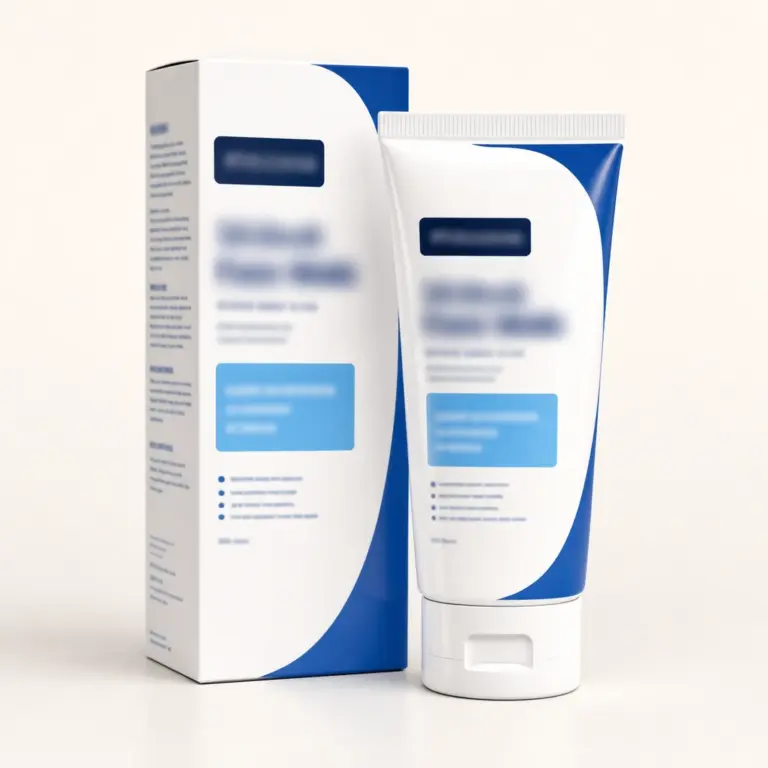
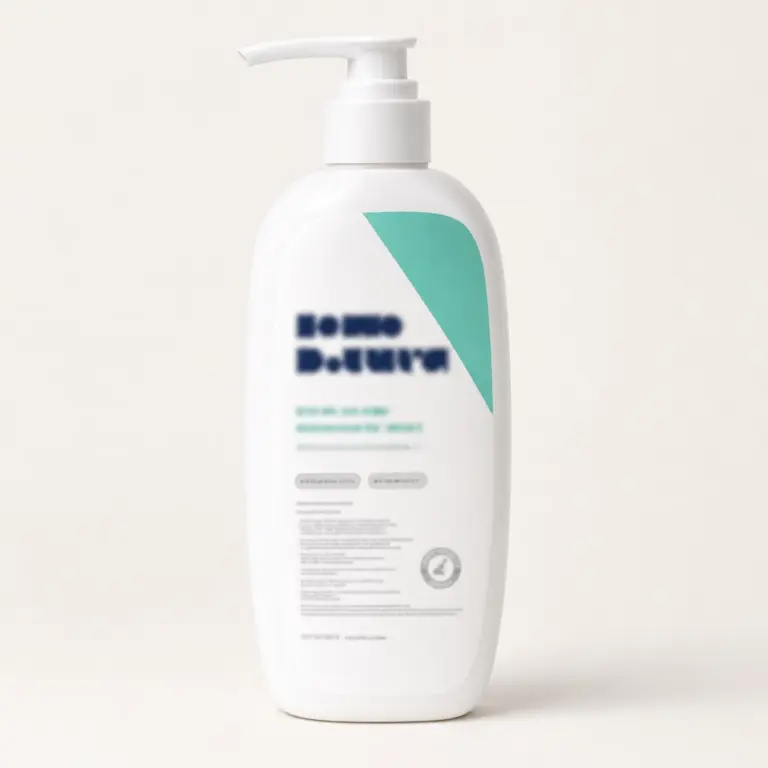
PanOxyl
PanOxyl Acne Wash 4% Benzoyl Peroxide
Best for Mild-to-moderate breakouts on face, chest, or back
A 4% benzoyl peroxide wash for mild-to-moderate breakouts on face, chest, and back.
CeraVe
CeraVe Foaming Face Wash
Best for Normal to oily skin; those using acne actives
A gel-to-foam cleanser for normal to oily skin with ceramides, niacinamide and hyaluronic acid in a large pump bottle.
As an Amazon Associate I earn from qualifying purchases. How we make money
Frequently asked questions
Can I use benzoyl peroxide face wash every day?
You can work up to daily use, but start slowly—once every other day for the first week or two—to give your skin time to adjust. Benzoyl peroxide can cause dryness, redness or irritation, especially when you first start using it. If your skin tolerates it well, you can gradually increase to once daily or even twice daily, but always follow the product label and listen to your skin. If irritation persists, reduce frequency or consult a healthcare provider.
Is a higher percentage of benzoyl peroxide more effective?
Not necessarily. Research suggests that lower concentrations can be effective with fewer side effects when used consistently. Higher strengths may be more irritating and don’t always deliver better results. If you’re new to benzoyl peroxide or have dry or sensitive skin, start with a lower strength and increase only if needed and tolerated.
Will benzoyl peroxide bleach my towels and clothes?
Yes. Benzoyl peroxide can bleach towels, pillowcases, clothing and any fabric it comes into contact with. Use white or light-coloured towels, rinse the sink thoroughly after washing your face, and wear old clothing to bed if you’re treating breakouts on your chest or back. This is a genuine inconvenience and something to plan for before you start using the product.
When should I see a doctor or dermatologist for acne?
See a healthcare provider if your acne is persistent, painful, severe or cystic, or if over-the-counter products haven’t helped after several months of consistent use. A doctor or dermatologist can prescribe stronger treatments, rule out other skin conditions and help you build a treatment plan that’s tailored to your skin. Don’t wait until scarring develops—early intervention is more effective.