How to Choose a Sunscreen in Canada
Last updated: October 7, 2026
Cali's Cart is reader-supported. When you buy through our links we may earn a commission, at no extra cost to you. As an Amazon Associate I earn from qualifying purchases. Learn more
Choosing a sunscreen in Canada means navigating labels, understanding SPF numbers, and deciding between chemical and mineral filters—all while ensuring the product meets Canadian regulatory standards. Whether you’re looking for a daily face sunscreen, a body formula for outdoor activities, or a gentle option for sensitive skin, the right choice depends on your skin type, lifestyle, and how you plan to use it. Health Canada requires all sunscreens sold in Canada to display an 8-digit Drug Identification Number (DIN) or Natural Product Number (NPN) on the label, a key indicator that the product has been reviewed and authorized for sale in the country.
Beyond regulatory basics, dermatologists emphasize that sunscreen is one part of a broader sun-protection strategy that includes seeking shade, wearing protective clothing and hats, and using sunglasses. The Canadian Dermatology Association recommends broad-spectrum sunscreen with SPF 30 or higher that is water resistant, applied generously to skin not covered by clothing. This guide walks you through what to look for on the label, how to match a formula to your needs, and common mistakes that can undermine your sun protection. For more guidance on skincare essentials, explore our research-backed recommendations.
In short
- Health Canada requires all sunscreens sold in Canada to display an 8-digit DIN or NPN on the label; look for broad-spectrum protection with SPF 30 or higher.
- The Canadian Dermatology Association recommends water-resistant, broad-spectrum sunscreen with SPF 30+ applied generously to skin not covered by clothing or a hat.
- Sunscreen is one part of sun protection—combine it with shade, clothing, hats and sunglasses, and reapply as the label directs.
- Consider your skin type, daily routine, and whether you need fragrance-free, tinted, or mineral-only formulas when choosing a product.
Understanding SPF and Broad-Spectrum Protection
SPF, or Sun Protection Factor, measures how well a sunscreen protects against UVB rays, the type that cause sunburn and contribute to skin cancer. Health Canada advises choosing a sunscreen with SPF 30 or higher for adequate protection. No sunscreen blocks 100% of UV radiation, which is why reapplication and other protective measures remain essential.
Broad-spectrum protection means the sunscreen also guards against UVA rays, which penetrate deeper into the skin and contribute to premature aging and long-term damage. In Canada, a sunscreen labelled “broad spectrum” has passed specific testing to demonstrate UVA protection. According to Health Canada, look for both the SPF number and the broad-spectrum claim on the label to ensure you’re covered against both types of ultraviolet radiation. The Canadian Dermatology Association emphasizes that broad-spectrum, SPF 30+ sunscreen is a baseline recommendation for daily use.
Keep in mind that SPF only measures UVB protection, so a high SPF without broad-spectrum coverage leaves you vulnerable to UVA damage. Always check that the label explicitly states “broad spectrum” or lists UVA protection, and remember that sunscreen is one part of sun protection—combine it with shade, clothing, and hats for the most effective defence.
Reading Canadian Sunscreen Labels
Every sunscreen sold in Canada must carry an 8-digit DIN or NPN on the package. The DIN (Drug Identification Number) indicates the product has been reviewed by Health Canada as a drug, while the NPN (Natural Product Number) applies to sunscreens classified as natural health products. This number is your assurance that the formula meets Canadian safety and efficacy standards. If a sunscreen lacks this 8-digit identifier, it has not been authorized for sale in Canada and may not meet regulatory requirements.
Beyond the DIN or NPN, the label should clearly state the SPF level, broad-spectrum status, and any water-resistance claims. Water resistance is typically noted as lasting a certain period, after which you must reapply. The ingredient list will show the active sunscreen filters—chemical filters like avobenzone or octinoxate, or mineral (physical) filters like zinc oxide or titanium dioxide. Some formulas combine both types. If you have sensitive skin or specific ingredient preferences, this list is where you’ll confirm what’s inside.
The Canadian Dermatology Association’s recognized-products program offers another layer of guidance. Products on this list meet criteria including SPF 30 or higher, broad-spectrum protection, gentle formulation, and minimal or no fragrance. While recognition is not mandatory, it can help narrow your search to options recognized by the Canadian Dermatology Association.
Choosing Between Chemical and Mineral Sunscreens
Chemical sunscreens absorb UV radiation through organic filters like avobenzone, octocrylene, or homosalate. They tend to feel lighter on the skin, blend in easily without a white cast, and work well under makeup. Many people prefer chemical formulas for daily facial use because they’re less visible and often come in elegant, matte-finish textures. However, some individuals with very sensitive or reactive skin find that certain chemical filters cause irritation or stinging, particularly around the eyes.
Mineral sunscreens use zinc oxide or titanium dioxide to physically block and scatter UV rays. They sit on the skin’s surface and are generally well tolerated by sensitive skin, including children and those prone to redness or allergies. The trade-off is that mineral formulas can leave a white or chalky cast, especially on deeper skin tones, and may feel thicker or greasier. Advances in formulation have improved this—micronized or tinted mineral sunscreens reduce the white cast—but texture remains a consideration.
Your choice depends on your skin’s tolerance, cosmetic preferences, and how you plan to wear the sunscreen. If you layer it under makeup or want an invisible finish, a chemical or hybrid formula may suit you better. If you have reactive skin, eczema, or prefer a formula that works immediately upon application, a mineral sunscreen is worth trying. There’s no single “best” type—both can offer excellent protection when applied correctly and reapplied as directed.
Matching Sunscreen to Your Skin Type and Routine
For oily or acne-prone skin, look for sunscreens labelled oil-free, non-comedogenic, or with a matte finish. Lightweight, fluid textures absorb quickly and won’t clog pores or add unwanted shine. Gel-based or alcohol-containing formulas can also work well, though alcohol may be drying for some. Fragrance-free options reduce the risk of irritation, which is especially important if you’re using acne treatments that already sensitize the skin.
Dry or mature skin benefits from sunscreens with added moisturizers or emollients—ingredients like glycerin, hyaluronic acid, or ceramides. Cream-based formulas provide hydration alongside sun protection, and you may be able to skip a separate moisturizer in your morning routine. Tinted sunscreens can double as a light foundation, evening out skin tone while protecting against UV damage. For sensitive skin, fragrance-free, mineral-based formulas or products recognized by dermatology associations are often the safest starting point.
Consider where and how you’ll use the product. A face sunscreen is typically formulated to feel lighter and work under makeup, while a body sunscreen may come in a larger size and thicker texture. If you spend time outdoors, sweating or swimming, water resistance is essential—but remember that “water resistant” does not mean waterproof. You’ll still need to reapply after the time shown on the label and after towelling off. For daily commuting or indoor work with brief sun exposure, a lightweight facial SPF may be all you need.
Common Mistakes to Avoid
One of the most common mistakes is applying too little sunscreen. Dermatologists recommend about one-quarter teaspoon for the face and a shot-glass amount (approximately 30 mL) for the body. Most people use far less, which drastically reduces the SPF protection you actually receive. If you apply half the recommended amount, you’re getting closer to the square root of the SPF—so SPF 50 applied thinly might perform more like SPF 7. Be generous, and don’t forget easily missed areas like the ears, back of the neck, and tops of the feet.
Another mistake is skipping reapplication. Sunscreen breaks down with UV exposure, sweat, and friction from clothing or towels. Even water-resistant formulas need to be reapplied after the time shown on the label and after towelling off, and the Canadian Dermatology Association advises reapplying every two hours during prolonged sun exposure. Setting a phone reminder or keeping a travel-size sunscreen in your bag can help you stay on track. Sunscreen is one part of sun protection—relying on it alone without seeking shade, wearing a hat, or covering up with clothing leaves gaps in your defence.
Finally, don’t assume that makeup with SPF or a moisturizer with SPF 15 is sufficient. While these products add a layer of protection, most people don’t apply enough foundation or tinted moisturizer to achieve the labelled SPF. Use a dedicated broad-spectrum sunscreen with SPF 30 or higher as your base, and treat any SPF in makeup as a bonus, not a substitute. If you’re unsure whether a product meets Canadian standards, check for the 8-digit DIN or NPN on the label.
Quick Checklist Before You Buy
Before you choose a sunscreen, confirm that it meets the baseline criteria recommended by Canadian health authorities and dermatologists. Use this checklist to guide your decision:
<ul><li>Check for an 8-digit DIN or NPN on the label (required for sale in Canada)</li><li>Look for SPF 30 or higher and broad-spectrum protection</li><li>Decide whether you need water resistance (and for how long)</li><li>Choose fragrance-free if you have sensitive skin or use other active skincare</li><li>Match the formula type (chemical, mineral, or hybrid) to your skin’s tolerance and cosmetic preferences</li><li>Consider texture and finish (matte, hydrating, tinted) based on your skin type and daily routine</li><li>Check the size—50 mL may run out quickly if you’re using it daily on your face</li><li>Plan to reapply as the label directs, and after swimming, sweating, or towelling</li></ul>
Remember that sunscreen is one part of a complete sun-protection strategy. Combine it with shade, protective clothing, a wide-brimmed hat, and sunglasses for the best results. For more beauty and skincare guidance, explore our research-backed recommendations and learn how we choose products to help you shop with confidence.
Products worth considering
La Roche-Posay Anthelios Ultra Fluid SPF 50+
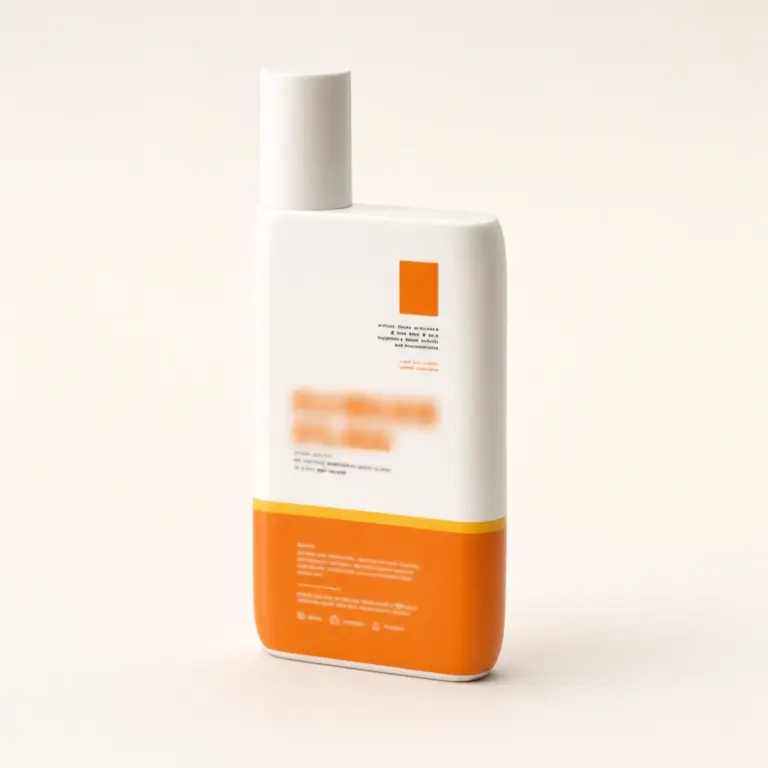
Based on our research, the La Roche-Posay Anthelios Ultra Fluid SPF 50+ is a Canadian-formulated sunscreen recognized by the Canadian Dermatology Association’s Sun Protection Program. The listing describes a fragrance-free formula with a matte finish, designed for daily facial use and offering water and sweat resistance. At 50 mL, the bottle is compact but may run out quickly with generous daily application. This formula suits most skin types, including sensitive skin, and is a solid choice if you prefer a lightweight, non-greasy texture for everyday wear. Keep in mind that the listing title mentions both face and body, while the CDA lists separate Face and Body versions—check the label to confirm the specific product. This is not a tinted or mineral-only option, so if you need physical filters or coverage, explore other formulas in the Anthelios line. Sunscreen is one part of sun protection—always follow the label, reapply as directed, and combine with shade, clothing, and hats.
La Roche-Posay
La Roche-Posay Anthelios Ultra Fluid SPF 50+
Best for Daily face sunscreen for most skin types including sensitive
A lightweight SPF 50+ fluid sunscreen recognized by the Canadian Dermatology Association for daily facial protection.
As an Amazon Associate I earn from qualifying purchases. How we make money
Frequently asked questions
What SPF should I use in Canada?
Health Canada and the Canadian Dermatology Association both recommend using a broad-spectrum sunscreen with SPF 30 or higher. No sunscreen blocks 100% of UV radiation, so combine it with shade, clothing, and hats, and reapply as the label directs.
How do I know if a sunscreen is approved for sale in Canada?
Every sunscreen sold in Canada must display an 8-digit Drug Identification Number (DIN) or Natural Product Number (NPN) on the label. This number indicates that Health Canada has reviewed and authorized the product. If a sunscreen lacks this 8-digit identifier, it has not been approved for sale in Canada and may not meet regulatory safety and efficacy standards.
Should I choose a chemical or mineral sunscreen?
Chemical sunscreens (with filters like avobenzone or octinoxate) tend to feel lighter, blend invisibly, and work well under makeup, but some people with sensitive skin find them irritating. Mineral sunscreens (with zinc oxide or titanium dioxide) sit on the skin’s surface, are generally gentler, and suit reactive or sensitive skin, but may leave a white cast or feel thicker. Both types offer effective protection when applied generously and reapplied as directed—choose based on your skin’s tolerance and your cosmetic preferences.
How often should I reapply sunscreen?
Reapply sunscreen every two hours during prolonged sun exposure, and after the time shown on the label and after towelling off—even if the product claims water resistance. Water-resistant sunscreens still break down with UV exposure and friction. Always follow the label’s reapplication instructions, and remember that sunscreen is one part of sun protection alongside shade, clothing, and hats.