How to Choose Blush and Highlighter
Last updated: October 7, 2026
Cali's Cart is reader-supported. When you buy through our links we may earn a commission, at no extra cost to you. As an Amazon Associate I earn from qualifying purchases. Learn more
Blush and highlighter can transform your complexion from flat to dimensional in seconds, but choosing the right products means understanding how different formulas work with your skin type and how to select shades that complement your natural colouring. The wrong formula can slide off oily skin or cling to dry patches, while the wrong shade can look muddy or overly stark.
This guide walks you through the key decisions—formula, finish, shade, and application—so you can find blush and highlighter that enhance your features naturally. Whether you’re building your first makeup collection or refining your routine, these practical tips will help you shop with confidence.
In short
- Choose powder blush for oily skin and cream or liquid for dry skin—each formula blends differently and suits different skin types
- Apply blush to the apples of your cheeks and highlighter to the high points that catch light, like tops of cheekbones and brow bone
- Start with a small amount and build gradually—it’s easier to add more than to remove excess
- Consider your skin tone when selecting shades, but personal preference and the look you want matter most
Understanding blush formulas and finishes
Blush comes in three main formulas: powder, cream, and liquid. Powder blush suits oily skin because it sets well and doesn’t slide around during the day. It’s also the easiest formula for beginners to control—you can tap off excess before applying and build colour gradually. Cream and liquid blushes blend into skin for a natural, skin-like finish and work beautifully on dry skin, though they require a lighter hand and faster blending.
Finish matters as much as formula. Matte blush gives a soft, natural flush without shimmer, while satin and glowy finishes add subtle luminosity. If you have textured skin or large pores, matte or satin finishes tend to be more forgiving than high-shimmer options. Consider where you’ll wear the blush—a dewy finish looks fresh for daytime, while matte holds up better in photos and under warm lighting.
Choosing highlighter: cream, liquid, or powder
Highlighter formulas follow similar rules. Powder highlighters work well on oily skin and are easy to control with a brush, letting you build from a subtle sheen to a more dramatic glow. Cream and liquid highlighters melt into skin for a dewy, lit-from-within look that suits dry or mature skin. Liquid formulas are particularly versatile—you can wear them alone, mix them into moisturiser or foundation, or layer them under makeup for all-over radiance.
The finish you choose depends on the effect you want. A subtle pearl or champagne sheen looks natural for everyday wear, while intense metallic finishes create a more editorial, high-impact look. If you’re new to highlighter, start with a formula that offers buildable coverage so you can control the intensity. Apply highlighter to the high points that naturally catch light: the tops of your cheekbones, the brow bone, the bridge of your nose, and your cupid’s bow.
Selecting shades for your skin tone
Blush shades generally follow loose guidelines based on skin tone, but personal preference wins. Soft pinks and peaches often suit fair skin, while rose, coral, and berry tones complement medium skin. Deeper berry, brick, and rich plum shades tend to show up beautifully on deep skin. That said, these are starting points—if you love a shade, try it. The key is to choose a colour that mimics a natural flush or enhances the warmth you want to see in your complexion.
For highlighter, consider your undertone. Champagne and golden highlighters warm up the complexion and suit warm or neutral undertones, while pink and pearl tones brighten cool undertones. If you’re unsure, a neutral champagne or soft gold works on most skin tones. Avoid highlighters that are too light or too dark for your skin—they should enhance your natural glow, not sit on top of your skin as a separate stripe of colour.
Common mistakes to avoid
One of the most common mistakes is applying too much product at once. Both blush and highlighter are highly pigmented, and it’s much easier to add more than to blend out excess. Start with a small amount, blend it out, and build gradually until you reach the intensity you want. Another mistake is placing blush too low on the face—it should sit on the apples of your cheeks and blend back toward your temples, not down toward your jawline.
With highlighter, avoid applying it to areas you don’t want to emphasize. Highlighter draws attention, so skip it on any texture, large pores, or areas with visible oil. Don’t apply highlighter all over your face—strategic placement on the high points creates dimension. Finally, don’t forget to blend. Harsh lines or unblended edges look unnatural, so take a few extra seconds to diffuse the edges of your blush and highlighter into your skin.
Application techniques that work
For powder blush, lightly tap your brush into the pan to pick up pigment, then tap off the excess. Smile gently to find the apples of your cheeks, then apply the blush in a sweeping motion from the apples back toward your temples. For cream or liquid blush, dot the product onto the apples of your cheeks and blend quickly with your fingers, a damp sponge, or a stippling brush before it sets.
Apply highlighter with a small, tapered brush or your fingertip for precision. Focus on the tops of your cheekbones, sweeping the product in a C-shape from the top of your cheekbone toward your temple. Add a touch to your brow bone just under the arch of your brow, a small amount down the bridge of your nose, and a dot on your cupid’s bow. Blend the edges so the highlighter melts into your skin rather than sitting on top. If you’ve applied too much, press a clean sponge or tissue over the area to diffuse it.
Quick checklist before you buy
Before you add blush or highlighter to your cart, run through this checklist to make sure you’re choosing a product that will work for you:
<ul><li>Does the formula suit your skin type? (Powder for oily, cream or liquid for dry)</li><li>Is the finish appropriate for your skin texture and the look you want?</li><li>Does the shade complement your skin tone and undertone?</li><li>Can you build the colour gradually, or is it too pigmented to control?</li><li>Do you have the right tools—brushes, sponges, or clean fingers—to apply it?</li><li>If buying online, does the listing specify the exact shade, or will you receive a random colour?</li></ul>
Products worth considering
NYX Buttermelt Blush
The NYX Buttermelt Blush is a solid choice for anyone looking for an easy-to-use powder blush at a budget-friendly price. Wirecutter’s reviewers loved the rich colours and luscious, blendable texture, and the listing says the formula is infused with mango, almond, and shea butters for fade- and transfer-resistant wear. It’s available in 12 shades with both matte and glowy finishes, making it a versatile option for different looks. The vegan and cruelty-free formula is a bonus, though the scented formula may not suit everyone. If you prefer cream or liquid blush, this won’t be the right fit, and you’ll need to check the listing carefully on Amazon.ca to confirm which shade you’re ordering.
L’Oreal Paris True Match Lumi Glotion
The L’Oreal Paris True Match Lumi Glotion is a versatile drugstore option for anyone seeking a dewy, lit-from-within glow without heavy shimmer. Wirecutter’s reviewers found it converts anyone to the joys of a radiant complexion, and the formula can be worn alone, mixed into moisturiser, or layered under foundation for all-over luminosity. The listing says it’s infused with shea butter and glycerin and is available in 4 shades to suit different skin tones. It’s a flexible choice for adding radiance to your face or body, though those with very oily skin may find the finish too dewy for everyday wear. The lightweight, blendable formula makes it easy to control the level of glow you want.
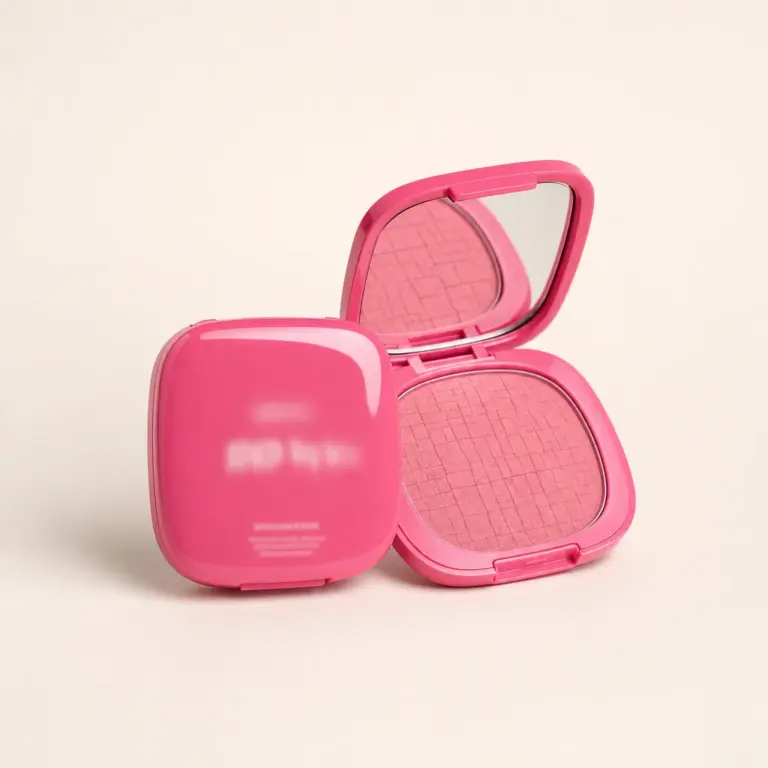
NYX Professional Makeup
NYX Buttermelt Blush
Best for Beginners looking for easy-to-blend powder blush
Drugstore powder blush praised by Wirecutter for its rich colour and blendable, buttery texture.
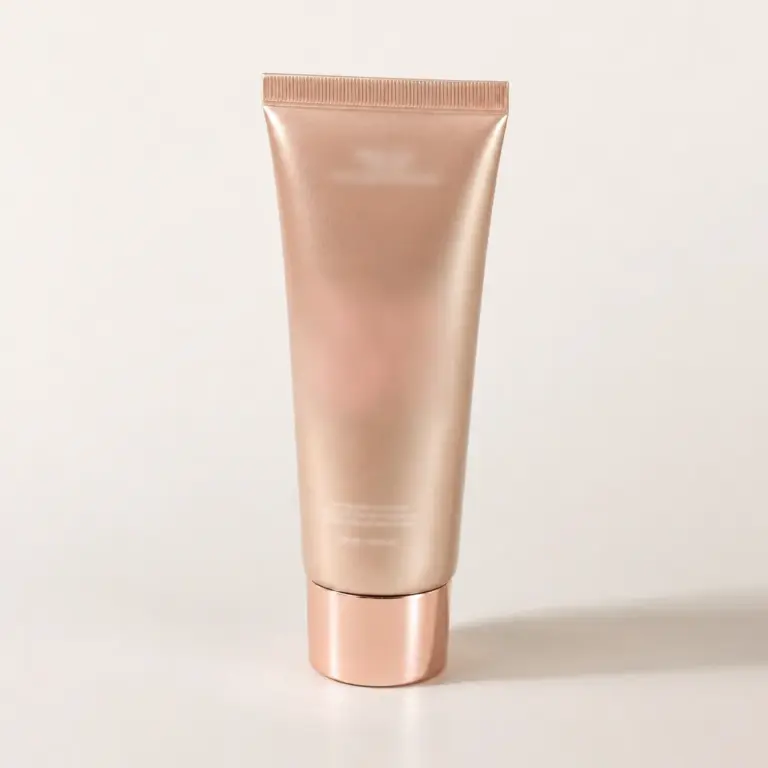
L'Oreal Paris
L’Oreal Paris True Match Lumi Glotion
Best for Dewy, no-makeup glow; mixing into moisturizer
A drugstore glow lotion that Wirecutter says will convert anyone to the joys of a radiant complexion.
As an Amazon Associate I earn from qualifying purchases. How we make money
Frequently asked questions
Should I apply blush or highlighter first?
Apply blush first, then highlighter. This lets you place your blush exactly where you want the colour, then add highlighter to the high points above it. If you apply highlighter first, you risk blending it away when you add blush, or muddying the two products together.
Can I use the same product for blush and highlighter?
Some cream or liquid products work for both, especially if they have a subtle sheen. However, blush is designed to add colour, while highlighter is designed to reflect light, so using dedicated products usually gives better results. A blush won’t create the same luminous effect as a true highlighter.
How do I know if I’ve applied too much blush?
If the colour looks like a solid stripe rather than a soft flush, or if the edges are harsh and unblended, you’ve likely applied too much. Step back from the mirror—blush should be visible but not the first thing you notice. If you’ve overdone it, blend the edges with a clean brush or sponge, or dust translucent powder over the top to diffuse the colour.
Do I need different brushes for blush and highlighter?
Yes, using separate brushes helps keep the products distinct and prevents muddying the colours. Use a larger, fluffier brush for blush to diffuse colour across a wider area, and a smaller, more precise brush for highlighter to target the high points. Clean your brushes regularly to prevent product buildup and maintain performance.