Mattress Topper and Mattress Protector Buying Guide
Last updated: October 7, 2026
Cali's Cart is reader-supported. When you buy through our links we may earn a commission, at no extra cost to you. As an Amazon Associate I earn from qualifying purchases. Learn more
A mattress topper and a mattress protector serve completely different purposes, yet both can extend the life of your bed and improve your sleep setup. A topper is a layer of cushioning—usually foam, down or fibre fill—that sits on top of your mattress to soften a too-firm surface or add support where your mattress has thinned. A protector is a fitted cover designed to shield your mattress from spills and everyday wear. Many households benefit from using both: the topper for comfort, the protector underneath it for defence.
Choosing the right combination means understanding what each product does, which materials suit your needs, and how to size and care for them properly. This mattress topper and mattress protector buying guide walks you through the key decisions—from foam density and thickness to waterproof backing and machine-wash care—so you can shop with confidence and set up a bedroom that works for you.
In short
- Mattress toppers add cushioning and change how your bed feels; protectors guard against spills and stains without altering comfort
- Measure your mattress dimensions and depth before shopping—toppers come in various thicknesses, and protectors must fit your mattress height
- Look for CertiPUR-US certified foam toppers and check protector care instructions and waterproof claims carefully
Understanding the difference: topper versus protector
A mattress topper changes how your bed feels. It adds a layer of memory foam, latex, down, polyester fill or other cushioning material directly on top of your mattress, under your fitted sheet. Toppers range from one to four inches thick and are designed to soften a firm mattress, provide extra support on a sagging surface (though they cannot fix a mattress that has lost its structure), or adjust the feel of a new bed you find too hard or too soft.
A mattress protector, by contrast, does not alter comfort. It is a thin, fitted cover—often with a waterproof or water-resistant backing—that encases the top and sides of your mattress to guard against spills, sweat and stains. Protectors are typically made from polyester, cotton, bamboo-derived viscose or blends, with a backing layer that may be polyurethane, vinyl or another waterproof membrane. You place the protector directly over your mattress (or over a topper if you use both), then put your fitted sheet on top.
If your mattress feels uncomfortable, start with a topper. If your main concern is keeping your mattress clean—especially in a guest room, kids’ room or household with pets—a protector is the priority. Many households use both: the topper for feel, the protector for defence. When layering both, put the protector on first, then the topper, then your fitted sheet.
Choosing the right topper thickness and material
Topper thickness typically ranges from one to four inches. A two-inch topper offers moderate cushioning and works well if you want a slight softness boost without dramatically changing your mattress height. A thicker topper provides deeper contouring and pressure relief, which many side sleepers prefer, but it will raise your bed noticeably—check that your fitted sheets will still fit and that getting in and out of bed remains comfortable.
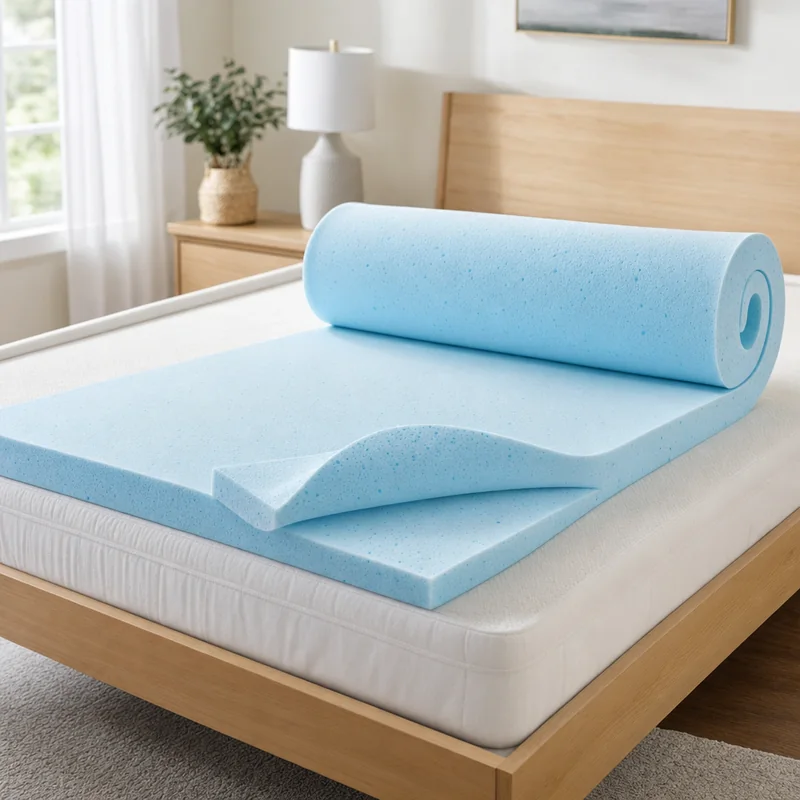
Memory foam is the most common topper material. It conforms to your body and can relieve pressure points, but traditional memory foam retains heat. Gel-infused memory foam includes gel beads that manufacturers say help with heat dissipation; the Linenspa 3-Inch Gel-Infused Memory Foam Mattress Topper uses this approach, with gel-infused polyurethane foam that the brand says helps dissipate heat. According to the listing, the foam is CertiPUR-US certified and the topper is backed by an eight-year manufacturer warranty. Sleepopolis reviewed the Linenspa topper as a plush upgrade best suited to side and back sleepers.
Other materials include latex (more responsive and cooler than memory foam, but typically more expensive), down and feather (soft and breathable but require fluffing and may flatten over time), and polyester fibrefill (affordable and machine-washable but less durable). Consider your sleep position: side sleepers often prefer thicker, softer toppers; back sleepers may want medium support; stomach sleepers usually need minimal cushioning to avoid sinking and straining the lower back. If your mattress is sagging or has lost its support, a topper will not fix the underlying problem—it may even make it worse by adding weight to a weakened core.
What to look for in a mattress protector
The most important feature of a protector is whether it is waterproof or water-resistant. Waterproof protectors have a backing layer—usually polyurethane or vinyl—that the listing says blocks liquids completely. Water-resistant protectors repel light spills but may not stop larger accidents or prolonged moisture. If you need reliable protection for a child’s bed, guest room or any situation where spills are likely, look for a product labelled waterproof and check independent sources to see how it performed in real-world tests.
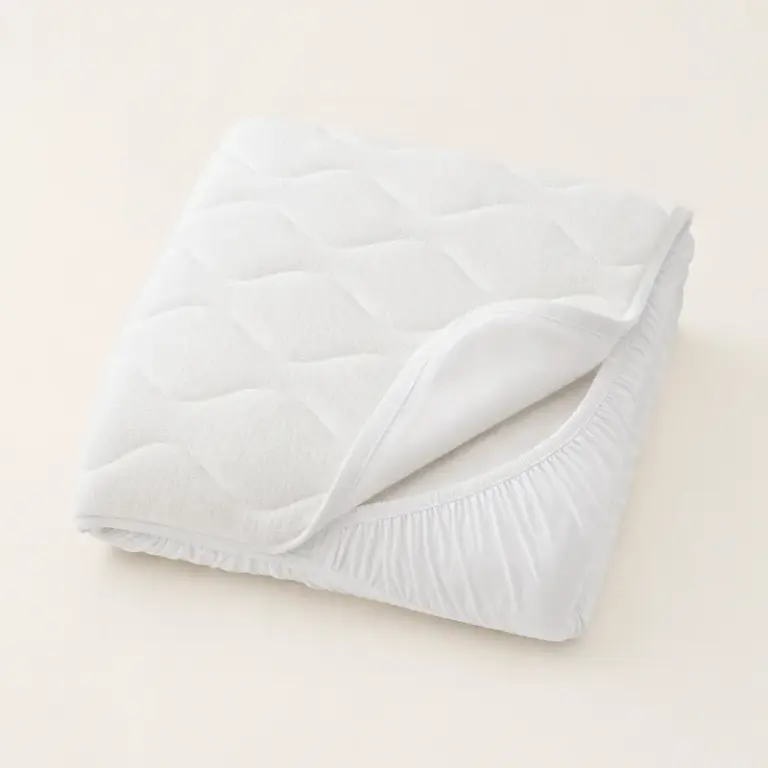
The Utopia Bedding Bamboo Waterproof Mattress Protector (Queen) is a fitted-sheet-style protector with an 80 per cent polyester, 20 per cent bamboo-derived viscose surface and a waterproof backing according to the listing. The queen size measures 60 by 80 inches and fits mattresses up to 17 inches deep, with elastic all around. Tom’s Guide slept on this protector for three weeks and found it completely waterproof, breathable and noiseless in their test, though they noted the slippery backing was frustrating to fit and keep in place, and it took longer to dry than some protectors. Wirecutter reported that a Utopia protector soaked through in its test, so waterproof performance may vary.
Fit is critical: measure your mattress length, width and depth (height) before you shop. Protectors come in fitted-sheet style (elastic band all around), zippered encasement (covers all six sides, including the bottom), and anchor-band style (elastic straps at the corners). Fitted-sheet protectors are easiest to put on and take off for washing. Zippered encasements offer the most complete coverage but are bulkier to launder. Check the listing’s depth measurement and compare it with your mattress height to ensure a secure fit.
Care, cleaning and longevity
Most mattress protectors are machine-washable, which is one of their chief advantages—you can launder them regularly to keep your bed fresh. Check the care label: many protectors can be washed in warm or cold water on a gentle cycle and tumble-dried on low, but some require air-drying or have specific temperature limits to protect the waterproof backing. Wash your protector every few weeks or whenever spills occur. Avoid bleach and fabric softener, which can break down waterproof membranes and reduce the protector’s effectiveness over time.
Mattress toppers, by contrast, are rarely machine-washable. Memory foam and latex toppers cannot go in the washing machine; spot-clean stains with a damp cloth and mild detergent, and air them out periodically. The Linenspa topper is spot-clean only, according to the listing. Down and fibrefill toppers may be machine-washable—check the care instructions—but they require a large-capacity washer and thorough drying to prevent clumping or mildew. Using a washable protector over your topper helps keep it cleaner and extends its life.
Expect a memory foam topper to last several years with proper care; down and fibrefill toppers may flatten sooner and need replacing. Protectors typically last several years, depending on how often you wash them and the quality of the waterproof layer. If a protector starts to leak, crack or feel stiff, replace it. For more ideas on refreshing your sleep space without a complete overhaul, see our guide to the best budget bedding upgrades.
Common mistakes to avoid
One frequent mistake is buying a topper to fix a mattress that has sagged or lost support. A topper adds cushioning but does not restore structural integrity—if your mattress has a permanent dip or you feel springs or hard spots through the surface, you likely need a new mattress, not a topper. Adding a thick topper to a sagging bed can make the sag worse and cause back or neck discomfort.
Another error is choosing a protector based solely on the mattress size (queen, king) without checking the depth measurement. Mattresses vary in height, from slimmer older or budget models to taller pillow-tops and hybrids. If the protector’s pocket depth is too shallow, it will pop off the corners or tear; if it is too deep, it will bunch and slide. Measure your mattress height at the thickest point and compare it with the listing’s depth range before you buy.
Many shoppers also skip the initial airing-out period for memory foam toppers. Foam products are compressed for shipping and can have a chemical odour when first unboxed. Unwrap your topper in a well-ventilated room and let it expand and air out before putting sheets on it. This off-gassing is normal and fades, but it can be unpleasant if you try to sleep on the topper immediately. Finally, do not assume all waterproof claims are equal—independent test results, like those from Tom’s Guide and Wirecutter, can reveal whether a protector truly stops liquids or only resists light splashes.
Quick checklist before you buy
Before you add a topper or protector to your cart, run through this checklist to ensure you are choosing the right product for your bed and household:
– Measure your mattress: Length, width and depth (height). Compare these with the listing’s dimensions and depth range. – Identify your main goal: More cushioning and pressure relief? Choose a topper. Protection from spills and stains? Choose a protector. Both needs? Buy both. – Check certifications and materials: For foam toppers, look for CertiPUR-US certification (per the listing) to confirm the foam meets certain content and emissions standards. For protectors, confirm the surface material (polyester, cotton, bamboo-viscose) and whether the backing is labelled waterproof or water-resistant. – Read the care instructions: Can you machine-wash the protector? Is the topper spot-clean only? Make sure the care routine fits your household. – Consider your sleep position and preferences: Side sleepers often need thicker, softer toppers; stomach sleepers usually want minimal added height. If you sleep hot, look for gel-infused foam or breathable protector fabrics. – Review independent sources: Check what independent sources found in their testing, especially for waterproof performance and fit issues. – Plan for setup time: Memory foam toppers need time to expand and air out. Protectors with slippery backings may take patience to fit smoothly.
For more guidance on choosing bedding and home products, visit our guides by topic page and learn how we choose products for Cali’s Cart.
Products to compare
Linenspa 3-Inch Gel-Infused Memory Foam Mattress Topper
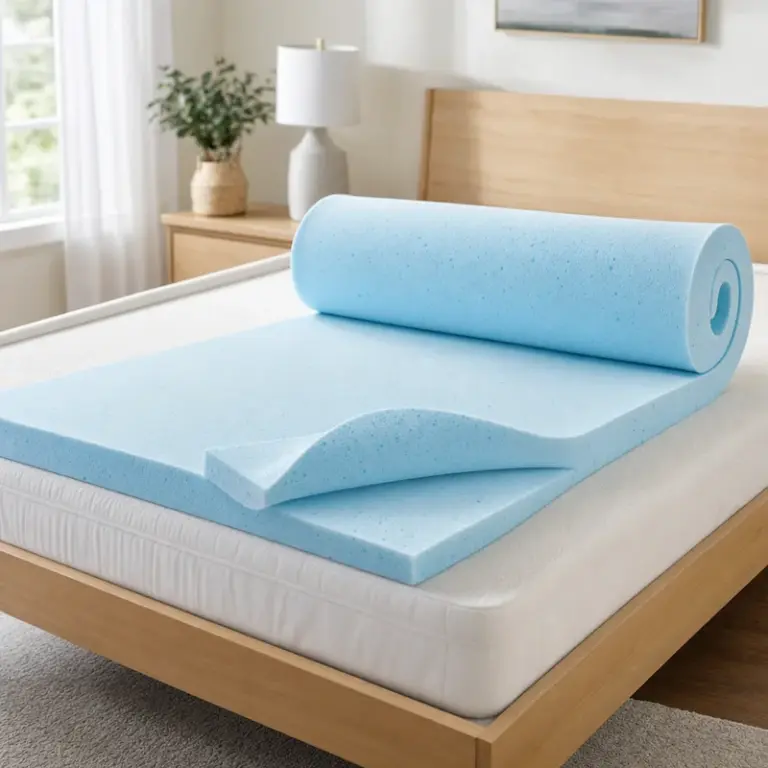
The Linenspa 3-Inch Gel-Infused Memory Foam Mattress Topper suits side sleepers on firm mattresses who want softer, plush support without buying a new bed. According to the listing, it is gel-infused polyurethane memory foam with CertiPUR-US certification and an eight-year manufacturer warranty. The gel beads are said by the brand to help dissipate heat. Sleepopolis reviewed it as a budget-friendly upgrade best for side and back sleepers. Keep in mind it has no removable cover or securing straps, is spot-clean only, and may have an initial odour after unboxing. It is not recommended for stomach sleepers or anyone with a sagging mattress, as the added cushioning will not fix lost support. The full size measures 52.5 by 74 inches; other sizes and a two-inch option are available. Check the listing for current sizing and warranty details.
Utopia Bedding Bamboo Waterproof Mattress Protector (Queen)
The Utopia Bedding Bamboo Waterproof Mattress Protector (Queen) is an affordable fitted protector for guest beds, kids’ rooms and households on a budget. The queen size measures 60 by 80 inches and fits mattresses up to 17 inches deep, with elastic all around. The surface is 80 per cent polyester and 20 per cent bamboo-derived viscose, and the listing says it has a waterproof backing. It is machine-washable. Tom’s Guide found it completely waterproof, breathable and noiseless in their three-week test, though they noted the slippery backing was difficult to fit and keep in place, and it took longer to dry than some protectors. Wirecutter reported that a Utopia protector soaked through in its test, so waterproof performance may vary. This protector is not recommended if you need proven, consistent waterproof protection. Measure your mattress depth and compare it with the listing’s fit range before you buy.
Linenspa
Linenspa 3-Inch Gel-Infused Memory Foam Mattress Topper Review
Best for Side sleepers on firm mattresses seeking softer support
A three-inch memory foam topper with gel beads, designed to soften firm mattresses without straps or cover.
Utopia Bedding
Utopia Bedding Bamboo Waterproof Mattress Protector (Queen) Review
Best for Guest beds, kids' rooms and households on a budget
Affordable fitted protector with bamboo-viscose surface and waterproof backing, sized for queen mattresses up to 17 inches deep.
As an Amazon Associate I earn from qualifying purchases. How we make money
Frequently asked questions
Do I need both a mattress topper and a protector?
It depends on your priorities. A topper changes how your mattress feels by adding cushioning or support; a protector guards against spills and stains without altering comfort. If your mattress is too firm or has thinned in spots, a topper can help. If you want to keep your mattress clean and extend its life, a protector is essential. Many households use both: the protector goes on first (directly over the mattress), then the topper, then the fitted sheet. If you are deciding which bedding upgrade to tackle first, consider whether comfort or protection is your bigger concern right now.
How do I know if a mattress protector is truly waterproof?
Check the listing for the word ‘waterproof’ (not just ‘water-resistant’) and look for details about the backing material—polyurethane and vinyl backings are common waterproof layers. Then read independent sources to see how the protector performed in real-world spill tests. Some protectors labelled waterproof have mixed results: Tom’s Guide found the Utopia Bedding protector completely waterproof in their test, while Wirecutter reported that a Utopia protector soaked through in theirs. If reliable waterproof performance is critical (for example, in a child’s room), look for products with consistent positive test results from multiple independent sources.
Can a mattress topper fix a sagging mattress?
No. A topper adds a layer of cushioning on top of your mattress but does not repair or replace lost support inside the mattress core. If your mattress has a permanent dip, feels uneven, or you can feel springs or hard spots through the surface, the mattress itself has likely worn out and needs replacing. Adding a thick topper to a sagging mattress can make the sag worse and may lead to back or neck discomfort. Use a topper to adjust the feel of a mattress that still has good support, not to mask structural failure.
How often should I wash my mattress protector?
Wash your mattress protector every few weeks, or immediately after any spills or accidents. Most protectors are machine-washable—check the care label for temperature and cycle recommendations. Use a gentle cycle with warm or cold water, and tumble-dry on low or air-dry, depending on the instructions. Avoid bleach and fabric softener, which can damage the waterproof backing and reduce the protector’s effectiveness over time. Regular washing keeps your bed fresh and helps the protector last longer.