How to Choose Shampoo and Conditioner for Dry Hair
Last updated: October 7, 2026
Cali's Cart is reader-supported. When you buy through our links we may earn a commission, at no extra cost to you. As an Amazon Associate I earn from qualifying purchases. Learn more
Choosing the right shampoo and conditioner for dry hair can feel overwhelming when you’re faced with endless bottles promising moisture, shine, and repair. Dry hair typically lacks the natural oils needed to keep strands smooth and hydrated, which can lead to frizz, tangles, and breakage. The good news is that with the right approach—focusing on gentle cleansing, targeted hydration, and a few smart habits—you can help your hair feel softer and more manageable.
This guide walks you through what to look for in shampoo and conditioner formulas, how to adjust your routine, and which mistakes to avoid. We’ve also researched a couple of options that reviewers have found effective for dry, thirsty strands. Whether you’re dealing with colour-treated hair, natural texture, or damage from heat styling, understanding your hair’s specific needs is the first step toward healthier-looking locks.
In short
- Focus on gentle, moisturizing shampoos for the scalp and hydrating conditioners for lengths and ends
- Consider washing less frequently and using lukewarm water to preserve natural oils
- Look for sulfate-free formulas and ingredients like hyaluronic acid or argan oil that help retain moisture
- Avoid heavy products if you have fine hair, and always detangle gently with a wide-tooth comb
Understanding what dry hair needs
Dry hair generally does well with gentle, moisturizing shampoos that cleanse the scalp without stripping away the natural oils your hair relies on for protection and shine. The goal is to focus shampoo primarily on the scalp, where oil and buildup accumulate, while letting the lather that rinses through the lengths do the light cleaning there. Conditioner, on the other hand, should be concentrated on the lengths and ends—the oldest, driest parts of your hair that need the most help.
Many people with dry hair find that shampooing less often helps preserve their hair’s natural moisture. You might start by washing every other day or even twice a week, depending on your scalp’s oil production and lifestyle. Between washes, a dry shampoo or simply rinsing with water can refresh your scalp. Conditioner after every wash—even on days you skip shampoo—helps reduce tangles and friction, which is especially important because wet hair is more fragile and prone to breakage.
What to look for in shampoo formulas
When you’re scanning ingredient lists and marketing claims, look for shampoos labeled as moisturizing, hydrating, or designed for dry or damaged hair. Sulfate-free formulas tend to be gentler because they cleanse without the harsher detergents that can strip natural oils. Ingredients borrowed from skincare—like hyaluronic acid, which can retain significant amounts of water—are increasingly common in hair care and may help hair feel more hydrated.
According to the brand, the L’Oreal Paris Elvive Hyaluron + Plump Hydrating Shampoo is enriched with hyaluronic acid and designed to fill hair with moisture for up to 72 hours. The listing claims it works on all types of dry hair, from curly to straight, and is lightweight enough not to weigh hair down. That said, what works for one person’s dry curls may feel different on another’s fine, straight strands, so expect some trial and error as you figure out what your hair responds to best.
What to look for in conditioner formulas
Conditioner is where you can afford to be more generous with moisture. Look for formulas that mention deep hydration, softness, detangling, or ingredients like argan oil, shea butter, or ceramides. These ingredients are designed to coat and smooth the hair shaft, helping to seal in moisture and reduce frizz. Sulfate-free conditioners are also gentler on colour-treated hair, which is often drier than untreated hair.
Richer, creamier conditioners tend to deliver more intense moisture, but they can also weigh down fine or thin hair. If your hair is dry but fine, you may need a lighter formula or to apply conditioner only from mid-length to ends. If your hair is thick, coarse, or very damaged, a more substantial conditioner will likely feel better. Wirecutter’s testers found that some formulas detangle efficiently while delivering penetrating hydration, which can make a real difference in how your hair feels after washing and how easily you can comb through it.
Adjusting your washing routine
How you wash matters as much as what you wash with. Rinse with lukewarm water rather than hot, which can strip moisture and leave hair feeling even drier. When you apply shampoo, focus on massaging it into your scalp with your fingertips, not your nails, and let the suds rinse through the lengths rather than scrubbing them vigorously. This approach cleans your scalp without roughing up the hair shaft.
After rinsing out shampoo, gently squeeze excess water from your hair before applying conditioner. Work the conditioner through the lengths and ends, and consider leaving it on for a minute or two to let it penetrate. Some people with very dry hair benefit from a final cool-water rinse, which can help seal the hair cuticle and add shine. Once you’re out of the shower, detangle gently with a wide-tooth comb, starting from the ends and working up, since wet hair is more fragile and prone to snapping.
Common mistakes to avoid
One of the most common mistakes is over-washing. If you’re shampooing daily out of habit rather than necessity, you may be stripping your hair of the oils it needs to stay soft. Start by cutting back to every other day and see how your hair responds. Another mistake is applying conditioner to the scalp, which can make roots look greasy and flat. Keep conditioner on the lengths and ends where dryness is most pronounced.
Using water that’s too hot is another culprit—it feels soothing in the moment but can leave hair parched. Skipping conditioner altogether, even on days when you’re short on time, means missing out on the detangling and smoothing benefits that help protect dry hair from breakage. Finally, don’t expect instant transformation. It can take a few washes to see how your hair truly responds to a new product, so give a formula at least two weeks before deciding it’s not working.
Quick checklist before you buy
Before you add a new shampoo or conditioner to your cart, run through this checklist to make sure it’s a good match for your hair:
<ul><li>Is it labeled for dry, damaged, or moisture-deprived hair?</li><li>Is the formula sulfate-free if you have colour-treated or very dry hair?</li><li>Does it contain hydrating ingredients like hyaluronic acid, argan oil, or shea butter?</li><li>If your hair is fine, is the formula lightweight enough not to weigh it down?</li><li>Does the price level fit your budget—drugstore, mid-range, or premium?</li><li>Have you checked reviews or expert sources to see how it performed for people with similar hair types?</li></ul>
Building a complete routine
Shampoo and conditioner are the foundation, but your overall routine matters too. Consider how often you use heat tools, how you dry your hair, and whether you’re protecting it at night with a silk pillowcase or loose braid. If your hair is very dry, you might add a weekly deep-conditioning treatment or a leave-in conditioner for extra moisture. For more ideas on managing dryness and frizz, see our guide to the best products for dry, frizzy hair.
Remember that dry hair can be caused by factors beyond your wash routine—hard water, sun exposure, chlorine, and even your diet can all play a role. If you’ve tried multiple products and your hair still feels persistently dry, brittle, or damaged, it may be worth consulting a stylist or dermatologist to rule out underlying issues. In the meantime, a gentle, hydrating shampoo and a nourishing conditioner are two of the most effective tools you have.
Products worth considering
L’Oreal Paris Elvive Hyaluron + Plump Hydrating Shampoo
The L’Oreal Paris Elvive Hyaluron + Plump Hydrating Shampoo is a solid drugstore option if your hair feels parched and you want something affordable that won’t weigh it down. Wirecutter’s reviewers chose it as their best pick for dry, damaged hair, and one panelist with dry, brittle hair noted a velvety-smooth finish and enough slip for detangling. The hyaluronic acid formula is borrowed from skincare, and the brand says it delivers moisture for up to 72 hours, though your results will depend on your hair type and routine. The listing claims it works on all types of dry hair, from curly to straight, and on colour-treated or non-coloured strands. It may not be ideal for very oily scalps, but if you’re looking for a lightweight, hydrating shampoo that’s typically about $10 to $20, this is worth considering.
Redken All Soft Conditioner
The Redken All Soft Conditioner is a sulfate-free formula enriched with argan oil, designed to deliver moisture and shine to dry, brittle hair. Wirecutter’s testers named it best for dry, damaged hair, appreciating how it efficiently detangled while delivering penetrating hydration. It’s a solid choice if you’re dealing with parched, colour-treated, or damaged strands, though those with fine hair may find it too heavy. The brand says this argan oil-enriched conditioner deeply hydrates to provide moisture and shine, and the sulfate-free formula is gentle on colour. Richer formulas like this can require thorough rinsing, and at typically about $25 to $45, it’s not the most budget option—but if your hair needs serious moisture and you don’t mind a mid-range price, this conditioner is designed to deliver intense softness. For a detailed comparison, see Redken All Soft vs CeraVe Conditioner for Dry Hair.
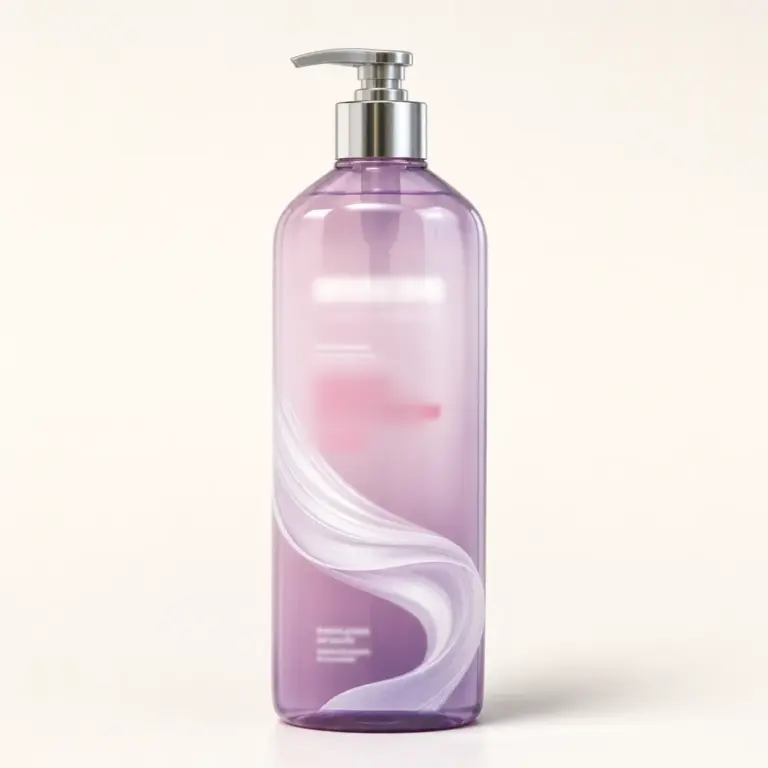
L'Oreal Paris
L’Oreal Paris Elvive Hyaluron + Plump Hydrating Shampoo
Best for Dry, thirsty hair on a budget.
A budget-friendly hydrating shampoo with hyaluronic acid, designed for dry, dehydrated hair of all types.
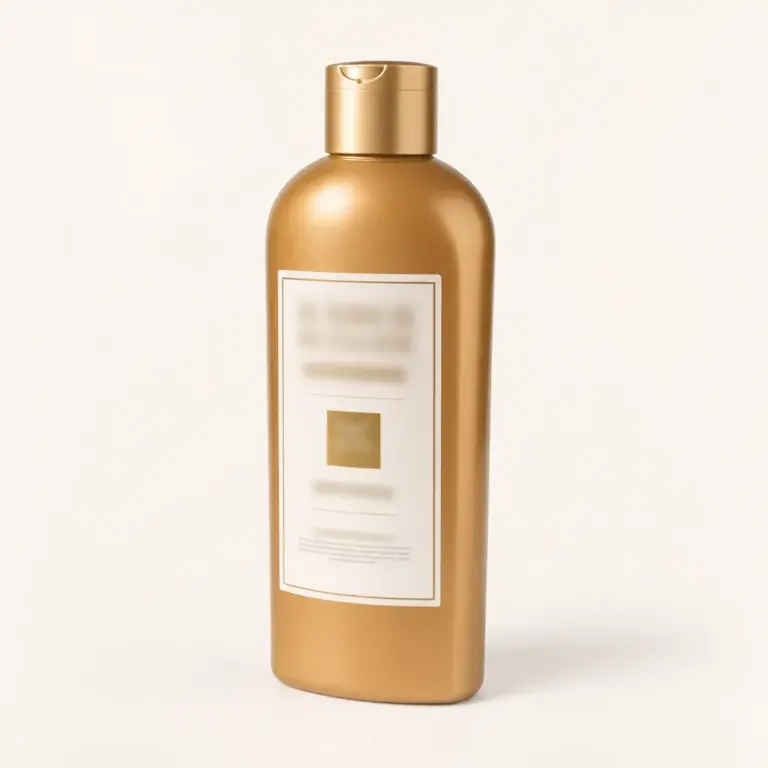
Redken
Redken All Soft Conditioner
Best for Dry, brittle, or colour-treated hair needing deep hydration
A sulfate-free conditioner with argan oil, designed to hydrate and detangle dry, brittle hair.
As an Amazon Associate I earn from qualifying purchases. How we make money
Frequently asked questions
How often should I wash dry hair?
Many people with dry hair find that shampooing less often—every other day or even twice a week—helps preserve natural oils and keeps hair feeling softer. Your ideal frequency depends on your scalp’s oil production, lifestyle, and hair type. You can still rinse with water or use conditioner on non-shampoo days to refresh and detangle.
Should I use the same brand for shampoo and conditioner?
Not necessarily. While some brands design their shampoo and conditioner to work together, you can mix and match based on what your hair needs. You might prefer a gentle, lightweight shampoo from one line and a richer, more moisturizing conditioner from another. Focus on how each product performs rather than matching the brand.
Can I use conditioner every day even if I don’t shampoo?
Yes, conditioner after every wash—or even on days you skip shampoo—helps reduce tangles and friction, which is especially important for dry hair. Some people practice “co-washing” (conditioner-only washing) to refresh their hair without stripping moisture. Just focus conditioner on the lengths and ends, not the scalp.
What’s the difference between dry hair and damaged hair?
Dry hair lacks moisture and natural oils, which can be due to your hair type, environment, or routine. Damaged hair has structural harm from heat, chemicals, or mechanical stress, often showing split ends, breakage, or rough texture. Many people have both, and moisturizing shampoos and conditioners can help with both concerns, though severely damaged hair may need additional treatments or a trim.