Makeup Brushes 101: Which Brushes You Actually Need
Last updated: October 7, 2026
Cali's Cart is reader-supported. When you buy through our links we may earn a commission, at no extra cost to you. As an Amazon Associate I earn from qualifying purchases. Learn more
Walk into any beauty store and you’ll face walls of makeup brushes in every shape and size, each promising to be essential. The truth? Most people need just a handful of tools to create a polished everyday look. Understanding which brushes serve which purpose—and which ones are redundant—saves you money and drawer space while making your routine faster and more intuitive.
This guide breaks down the core brushes you actually need, what each one does, and how to choose tools that work with the products you already own. Whether you’re starting from scratch or streamlining an overstuffed collection, you’ll learn to spot the difference between a must-have and a marketing gimmick. For more beauty tool advice, see our Beauty Tools Worth Owning guide.
In short
- You need five core tools: a face brush for liquid foundation, a fluffy powder brush, an angled or rounded brush for cheek colour, a crease brush for eyeshadow, and a damp sponge for blending.
- Clean your brushes and sponges regularly with mild soap or brush cleanser to prevent oil and bacteria buildup, and replace sponges when they tear or stain.
- Starter sets that include both brushes and sponges can cover multiple steps in one purchase, making them practical for building a basic collection.
The five core tools every makeup collection needs
A functional makeup brush collection comes down to five jobs: applying liquid base, setting with powder, adding cheek colour, blending eyeshadow, and bouncing in concealer. A face or foundation brush with dense, synthetic bristles spreads liquid or cream foundation evenly across your skin. A fluffy powder brush picks up and deposits loose or pressed powder for setting or a light veil of colour. An angled or rounded brush designed for cheek application places blush and bronzer exactly where you want them, with enough surface area to blend the edges.
For eyes, a crease or blending brush with soft, slightly tapered bristles diffuses eyeshadow in the socket and softens hard lines. Finally, a damp sponge—used by bouncing or stippling rather than dragging—blends foundation and concealer into skin without streaks. These five tools cover the steps in most daily routines, from a bare-minimum look to a fuller face. Anything beyond this list is either a specialty tool for a specific technique or a duplicate that does the same job with a different name.
If you prefer cream or liquid products, synthetic bristles work best because they don’t absorb as much product and clean more easily. Natural hair brushes can work well with powder formulas, though synthetic brushes can perform just as well across all textures. Focus on the shape and density of the brush head rather than getting caught up in bristle origin.
How to use each brush (and what products they’re meant for)
Your face or foundation brush works with liquid, cream, or stick foundation. Dot the product on your forehead, cheeks, nose, and chin, then use the brush in sweeping or buffing motions to blend outward. The powder brush is for loose or pressed setting powder, finishing powder, or a light dusting of bronzer; swirl it in the product, tap off the excess, and sweep it over your face in light layers. The cheek brush applies blush, bronzer, or contour powder—place the colour on the apple of your cheek or along your cheekbones, then blend the edges in circular motions.
The crease brush is for eyeshadow in the socket of your eye, where your eyelid meets your brow bone. Use it to deposit colour in that natural crease, then blend back and forth in windshield-wiper motions to soften any lines. The sponge is for bouncing foundation and concealer into the skin; dampen it first, squeeze out the excess water, then press and roll the sponge over your face rather than dragging it. This stippling motion blends product without lifting it back off or leaving streaks.
Most brushes work with more than one product type. A fluffy powder brush can dust on highlighter or blend out harsh blush edges. A crease brush can soften eyeliner or blend the edges of cream eyeshadow. Learning to use one tool for multiple steps means you need fewer brushes overall and spend less time switching between them.
Brush sets versus individual brushes
Brush sets bundle several tools together, often at a lower price than buying each piece separately. They’re practical if you’re starting from scratch or replacing multiple worn-out brushes at once, and they ensure the brushes in your collection work together visually and functionally. The downside is that sets often include brushes you won’t use—tiny detail brushes, duplicate blending brushes, or tools for techniques you don’t do. You end up paying for brushes that sit untouched while the two or three you actually need wear out faster.
Buying individual brushes lets you choose exactly what you need and invest in higher-quality versions of the tools you use daily. You can replace a single worn-out foundation brush without buying a whole new set, and you’re not stuck with brushes that don’t suit your routine. The trade-off is that individual brushes can cost more per piece, and you need to know which shapes and sizes you’re looking for before you shop. For more guidance on choosing beauty tools, visit our Beauty Tools Worth Owning page.
If you’re new to makeup or unsure which brushes you’ll reach for, a small starter set that covers the core five jobs is a sensible first step. Once you know which tools you use every day and which sit untouched, you can replace favourites individually and skip the rest. Look for sets that focus on everyday essentials rather than specialty brushes for advanced techniques.
Caring for your brushes and sponges
Dirty brushes and sponges collect oil, dead skin cells, old makeup, and bacteria, all of which transfer back to your face and can cause breakouts or irritation. Clean your tools regularly—ideally once a week for brushes you use daily, and after every use for sponges. Use a mild soap, baby shampoo, or a dedicated brush cleanser. Wet the bristles or sponge with lukewarm water, work the cleanser into a lather, and rinse thoroughly until the water runs clear. For brushes, keep the bristles pointing downward during rinsing so water doesn’t seep into the ferrule (the metal part that holds the bristles), which can loosen the glue over time.
After washing, reshape the brush head gently with your fingers and lay the brushes flat on a clean towel to dry, with the bristles hanging slightly off the edge of a counter so air circulates around them. Never dry brushes upright in a cup, as water will drip into the ferrule and weaken the attachment. Sponges should be squeezed gently to remove excess water, then left in a well-ventilated spot to dry completely—damp sponges grow mould. Replace sponges when they tear, develop a smell, or stay stained even after washing, which usually happens every few months with regular use.
Proper care extends the life of your brushes significantly. A well-maintained synthetic brush can last years, while a neglected one may shed bristles, lose its shape, or harbour bacteria within months. Spending a few minutes each week on cleaning is cheaper and more hygienic than replacing tools constantly.
Common mistakes to avoid
One of the most common mistakes is buying too many brushes too soon, especially specialty brushes for techniques you haven’t learned yet. A lip brush, a tiny pencil brush, a fan brush for highlighter, and a dozen eyeshadow brushes in slightly different sizes will sit unused if you’re still mastering the basics. Start with the core five tools and add specialty brushes only when you have a specific technique in mind and know you’ll use them regularly.
Another mistake is using the wrong brush for the product texture. Natural hair brushes can absorb liquid or cream products, making application patchy and wasting product. Synthetic brushes work across all formulas and are easier to clean. Similarly, using a dense, flat brush for powder blush or a fluffy brush for cream foundation leads to uneven application and frustration. Match the brush density and bristle type to the product you’re using.
Finally, many people neglect to clean their tools or replace sponges when needed. A stained, torn sponge doesn’t blend well and can harbour bacteria. Brushes caked with old foundation apply new makeup unevenly and can irritate your skin. Set a weekly reminder to wash your brushes and check your sponges for signs of wear. If cleaning feels like a chore, keep a spray bottle of brush cleanser for a quick daily spritz between deep cleans.
Quick checklist before you buy
Before you add makeup brushes to your cart, ask yourself a few practical questions. First, do you already own brushes that do the same job? If you have a fluffy powder brush that works well, you don’t need another one in a slightly different size. Second, does the brush match the products you actually use? If you wear liquid foundation daily, a dense synthetic face brush is essential; if you prefer powder foundation, a fluffy kabuki brush makes more sense. Third, are you buying a set because it’s good value, or because you genuinely need most of the brushes in it? A set is only a bargain if you’ll use at least four out of five pieces.
Check the bristle type and density. Synthetic bristles are more versatile and easier to clean, especially for liquid and cream products. Fluffy, loosely packed bristles are for powder and blending; dense, tightly packed bristles are for liquid, cream, and precise application. If you’re shopping online, read the product description carefully to confirm the brush size and intended use—photos can be misleading, and a brush that looks fluffy in an image may be too small or too dense in person.
Finally, consider your skill level and routine. If you’re a beginner, a small set that covers face and eye basics is more useful than a collection of advanced brushes you don’t know how to use. If you’re experienced and know exactly which brush shapes you prefer, individual brushes let you invest in quality tools that suit your technique. For more advice on choosing beauty products, see How we choose products.
Products worth considering
Real Techniques Everyday Essentials Brush Set (with 2 sponges)
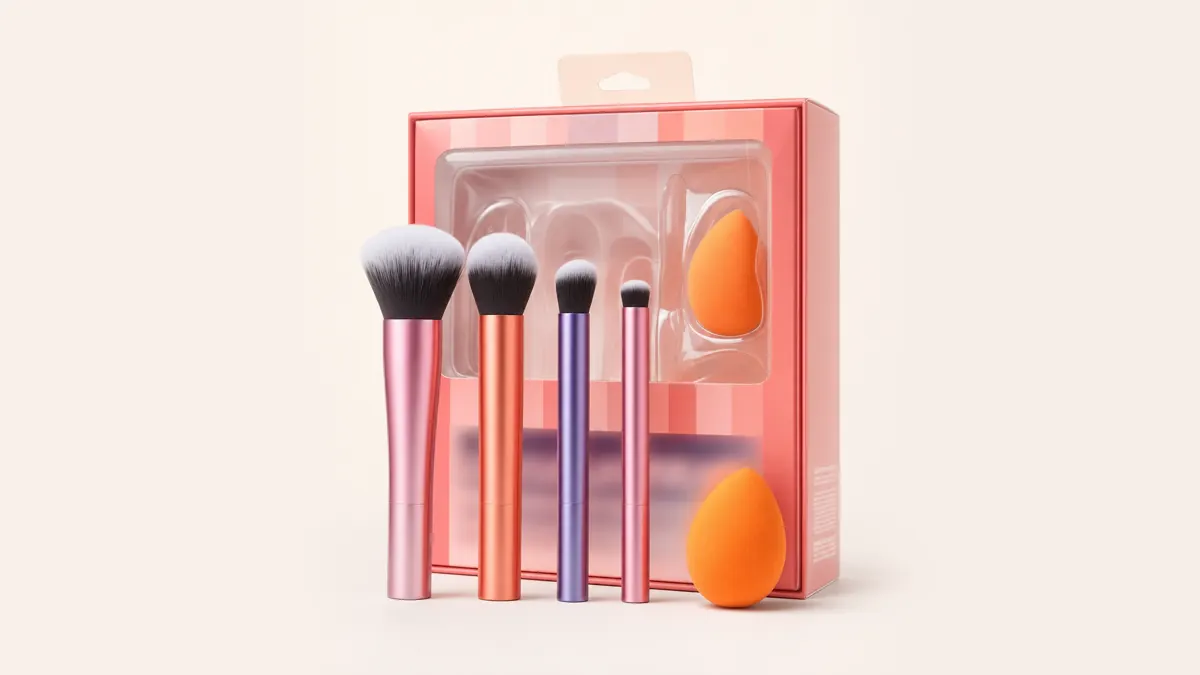
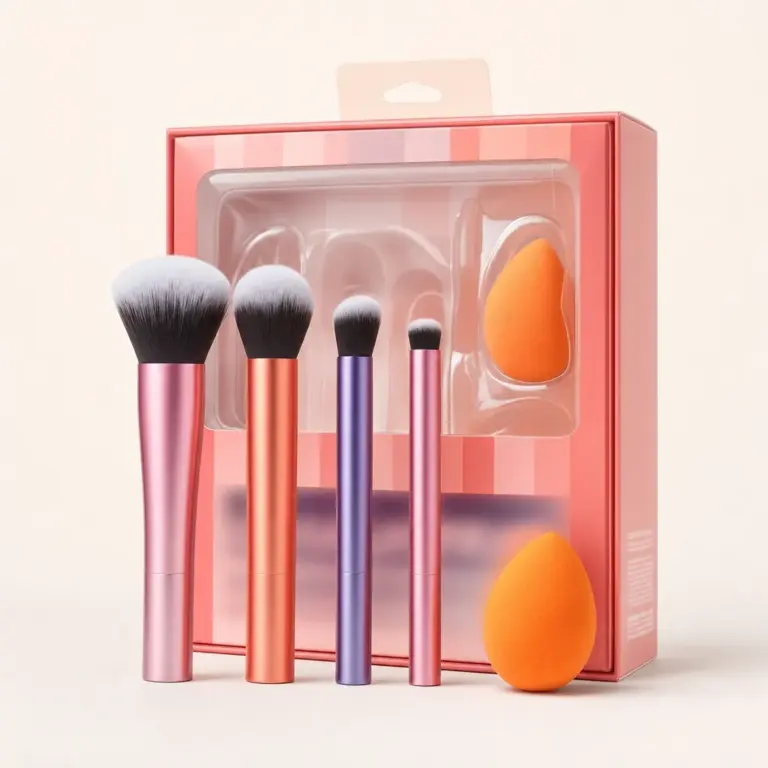
The Real Techniques Everyday Essentials Brush Set (with 2 sponges) includes four brushes and two sponges in one kit, covering face and eye application in a single purchase. According to the listing, the set is designed to work with liquid, cream, and powder products, and it includes a blush brush, crease brush, setting brush, face brush, and two blending sponges. Real Techniques is a brand Wirecutter rates as a strong value pick for makeup tools, and this set offers a practical starting point for anyone building a basic collection. It’s a sensible choice if you’re new to makeup or replacing multiple worn-out tools at once, though professionals who prefer individual specialist brushes may want to shop for single pieces instead. Keep in mind that sponges need regular replacement as they wear out or stain.
Real Techniques
Real Techniques Everyday Essentials Brush Set (with 2 sponges) Review
Best for Beginners building a starter makeup brush collection
A six-piece starter kit with brushes and sponges from a brand Wirecutter rates for value.
As an Amazon Associate I earn from qualifying purchases. How we make money
Frequently asked questions
Do I really need separate brushes for powder and liquid products?
Not always, but it helps. Synthetic brushes work well with both powder and liquid, though you may prefer a denser brush for liquids and a fluffier one for powder. Natural hair brushes can absorb liquid products and become harder to clean, so if you use a mix of textures, synthetic brushes are more versatile. You can use the same brush for multiple products as long as you clean it between uses.
How often should I replace my makeup brushes?
Well-maintained brushes can last for years. Replace a brush when the bristles shed excessively, lose their shape, or feel scratchy on your skin. Sponges wear out faster—replace them every few months or when they tear, smell, or stay stained after washing. Regular cleaning extends the life of both brushes and sponges significantly.
Can I use my fingers instead of brushes?
Yes, fingers work well for cream and liquid products, especially foundation and concealer. Your body heat warms the product and helps it blend into your skin. Brushes give you more precision and control, especially for powder products, blending eyeshadow, or applying colour to specific areas like your cheeks. Many people use a combination of fingers, brushes, and sponges depending on the product and the look they want.
What’s the difference between a beauty sponge and a brush for foundation?
A damp sponge bounces or stipples foundation into the skin, creating a natural, airbrushed finish and blending product into textured areas like around the nose. A brush sweeps or buffs foundation across the face, which can give more coverage and works well for building up product. Sponges absorb some product, so you may use more foundation, but they blend seamlessly. Brushes use less product and offer more control. Many people keep both and choose based on the look they want that day.