How to Choose a Moisturizer for Your Skin Type
Last updated: October 7, 2026
Cali's Cart is reader-supported. When you buy through our links we may earn a commission, at no extra cost to you. As an Amazon Associate I earn from qualifying purchases. Learn more
Walk down any skincare aisle and you’ll face dozens of moisturizers—creams, gels, lotions, balms—all promising hydration. The truth is, there’s no single best moisturizer for everyone. Your ideal formula depends on your skin type, the climate you live in, and what ingredients your skin responds to. Understanding the building blocks of a good moisturizer will help you cut through the marketing and find a product that actually works for your needs.
In this guide, we’ll walk you through the science behind moisturizers, how to identify your skin type, and what to look for on the label. We researched expert sources and dermatologist recommendations to give you a practical framework for choosing a moisturizer that fits your skin—and your budget. Whether you’re dealing with winter dryness, midday shine, or sensitive skin that reacts to everything, you’ll learn how to match texture, ingredients and formulation to your specific concerns.
In short
- Moisturizers combine humectants (like hyaluronic acid and glycerin) that draw in water, emollients that smooth, and occlusives that reduce water loss.
- Dry skin typically needs richer creams with ceramides; oily and combination skin often prefer lightweight gels or lotions.
- Sensitive skin benefits from fragrance-free, simpler formulas—always patch test new products before full-face use.
- Pair your moisturizer with sunscreen during the day for complete protection.
Understanding How Moisturizers Work
Moisturizers aren’t just about adding water to your skin—they work through three main types of ingredients. Humectants such as glycerin and hyaluronic acid draw moisture from the air and deeper layers of skin to the surface. Emollients smooth and soften by filling in gaps between skin cells. Occlusives like petrolatum create a barrier on the skin’s surface to reduce water loss. Most effective moisturizers combine all three categories in varying proportions depending on the formula’s goal.
Ceramides are lipids that occur naturally in your skin’s barrier, and many well-regarded moisturizers include them to help support that protective layer. When your barrier is compromised—from over-exfoliation, harsh weather, or certain skin conditions—ceramide-rich formulas can help restore balance. The ratio of these ingredient types determines whether a moisturizer feels light and fast-absorbing or rich and protective, so understanding these building blocks helps you decode product labels and choose the right texture for your needs.
Identifying Your Skin Type
Before you can choose the right moisturizer, you need an honest assessment of your skin. Dry skin often feels tight after cleansing, may show flaking or rough patches, and looks dull without moisture. Oily skin produces excess sebum throughout the day, especially in the T-zone, and may be prone to shine and breakouts. Combination skin shows both: an oily T-zone with drier cheeks or outer areas. Normal skin maintains balance without much intervention, while sensitive skin reacts easily to new products, fragrances, or environmental changes with redness, stinging or irritation.
Your skin type can also shift with the seasons, hormones, age, or changes in your routine. You might need a richer cream in winter and a lighter gel in summer. Dehydrated skin—which lacks water rather than oil—can occur in any skin type and often benefits from humectant-rich formulas. Pay attention to how your skin feels an hour after cleansing and throughout the day to get a true read on what it needs right now, not what it needed five years ago.
Matching Texture to Your Skin Type
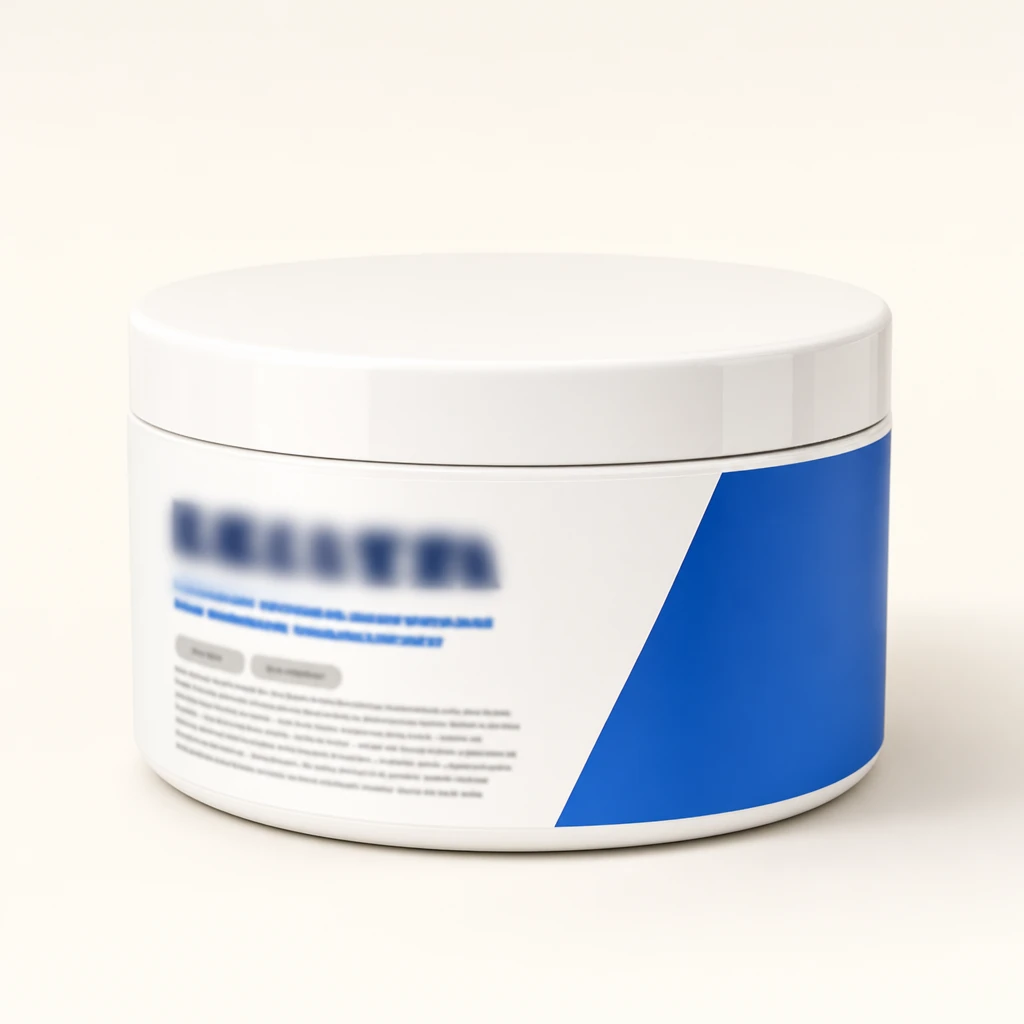
Texture matters as much as ingredients. Dry to very dry skin typically thrives with rich creams that contain a higher proportion of occlusives and emollients. These formulas feel substantial on the skin and create a protective layer that reduces moisture loss overnight or in harsh weather. The CeraVe Moisturizing Cream is a straightforward example: a thick, fragrance-free cream in a large tub designed for face and body use, with ceramides and hyaluronic acid for barrier support.
Oily, combination and normal skin often prefer lightweight gels or gel-creams that absorb quickly without leaving a greasy film. These formulas emphasize humectants like hyaluronic acid and use minimal or no heavy oils. The Neutrogena Hydro Boost Gel Cream offers a water-light, bouncy texture that layers well under makeup—Wirecutter called it best for combination skin. If you want a premium option with a similar lightweight feel, the Clinique Moisture Surge 100H is an oil-free gel-cream that Allure named best for oily skin in its fragrance-free roundup, though drugstore alternatives deliver comparable texture at a fraction of the cost.
Key Ingredients to Look For
When you’re scanning ingredient lists, a few names appear repeatedly in many well-regarded moisturizers. Hyaluronic acid is a humectant that can hold many times its weight in water, plumping the skin’s surface. Glycerin is another reliable humectant that’s gentle and effective across all skin types. Ceramides help reinforce the skin’s natural barrier, making them especially valuable for dry, sensitive or barrier-damaged skin. Niacinamide (vitamin B3) can help with redness, texture and oil regulation, though not every moisturizer includes it.
For very dry skin, look for occlusives like petrolatum, dimethicone or shea butter higher on the ingredient list. If you have sensitive or reactive skin, simpler formulas with fewer ingredients often cause less trouble—and fragrance-free positioning can reduce the risk of irritation. Check the label or product listing to confirm fragrance status if that’s a priority for you. Remember that more ingredients don’t always mean better results; a short, well-balanced formula can outperform a long list of trendy actives.
Common Mistakes to Avoid
One frequent mistake is choosing a moisturizer based on marketing claims rather than your actual skin type. A cream labeled ‘intensive hydration’ might be too heavy for oily skin, leaving you shiny and uncomfortable, while a ‘lightweight’ gel might not provide enough moisture for genuinely dry skin in winter. Another misstep is skipping moisturizer altogether if you have oily skin—dehydrated oily skin often overproduces oil to compensate for lack of water, so a light, oil-free moisturizer can actually help balance sebum production.
Don’t assume that expensive means better. While premium formulas like Clinique Moisture Surge offer lovely textures and department-store packaging, drugstore options such as CeraVe and Neutrogena are consistently recommended by dermatologists and deliver effective results at typically about $20 to $45 price points. Finally, resist the urge to use too much product—a pea-sized amount for your face is usually enough. Layering on excess won’t increase benefits and may clog pores or cause pilling under makeup.
Daytime vs. Night-Time Moisturizing
Your morning and evening routines can use different moisturizers to serve different goals. During the day, you’ll want a formula that absorbs quickly, layers well under makeup, and—crucially—pairs with sunscreen. Sunscreen is a non-negotiable part of daytime skincare, and your moisturizer should sit comfortably beneath it without pilling or feeling greasy. Lightweight gels and lotions often work best in the morning, especially if you’re applying makeup or heading into a warm environment.
At night, your skin repairs itself, and you can afford a richer, slower-absorbing formula. This is the time to use thicker creams with more occlusives if your skin is dry, or to layer a hydrating serum under your usual moisturizer if you need extra support. Night-time is also when you might use active ingredients like retinoids, and a good moisturizer buffers potential irritation. Just remember that even the best night cream won’t replace daytime sun protection—those are separate, complementary steps in a complete routine.
Quick Checklist Before You Buy
Before you add a moisturizer to your cart, run through this practical checklist to ensure it matches your needs:
<ul><li>Confirm the texture suits your skin type: rich cream for dry skin, gel or lotion for oily or combination skin.</li><li>Check the ingredient list for humectants (hyaluronic acid, glycerin), emollients, and occlusives appropriate to your dryness level.</li><li>If you have sensitive skin, look for fragrance-free formulas and shorter ingredient lists.</li><li>Consider the size and format—a large tub is economical for body use, but check the expiry date on arrival.</li><li>Patch test any new product on your inner arm or jawline for a few days before applying it all over your face.</li><li>Remember to pair your daytime moisturizer with sunscreen and reapply sun protection as directed on the label.</li></ul>
If you’re comparing specific products side by side, our comparison tools can help you weigh texture, ingredients and price level. For more guidance on building a complete skincare routine, explore our beauty guides by topic to find recommendations tailored to your concerns.
Products worth considering
CeraVe Moisturizing Cream
The CeraVe Moisturizing Cream is a reliable choice for dry to very dry skin on both face and body. Based on our research, Wirecutter found that pretty much every dermatologist they interviewed recommended this fragrance-free formula. The large 539 g tub contains ceramides and hyaluronic acid to support the skin barrier, making it especially useful for winter dryness or compromised skin. The thick texture won’t suit everyone—if you have very oily skin or dislike heavy creams, consider a gel instead—but for those who need serious moisture at a typical $25 to $45 price point, it’s a straightforward, no-frills option that delivers.
Neutrogena Hydro Boost Gel Cream
The Neutrogena Hydro Boost Gel Cream offers a lightweight, bouncy texture that absorbs quickly without heaviness, making it a solid pick for combination and normal-to-oily skin. The 47 mL jar contains hyaluronic acid and glycerin for hydration, and based on our research, Wirecutter named it best for combination skin, noting that it goes on sheer and plumps up the skin. Wirecutter’s reviewers mentioned a slightly medicinal scent, and the fragrance level isn’t specified on this listing, so check the ingredient list if you prefer fragrance-free. It layers well under makeup and sits at a typical $20 to $25 price point, though very dry skin will likely need something richer.
Clinique Moisture Surge 100H Auto-Replenishing Hydrator
The Clinique Moisture Surge 100H Auto-Replenishing Hydrator is a premium oil-free gel-cream that Allure named best for oily skin in its fragrance-free moisturizer roundup. The formula features hyaluronic acid and aloe bioferment, delivering a lightweight texture that appeals to those who dislike heavy creams. It’s a department-store option for shoppers willing to invest in a name-brand moisturizer at a typical $55 to $100 price point. That said, drugstore alternatives like Hydro Boost offer similar gel textures for far less, so consider whether the Clinique brand experience and formulation justify the premium for your budget.
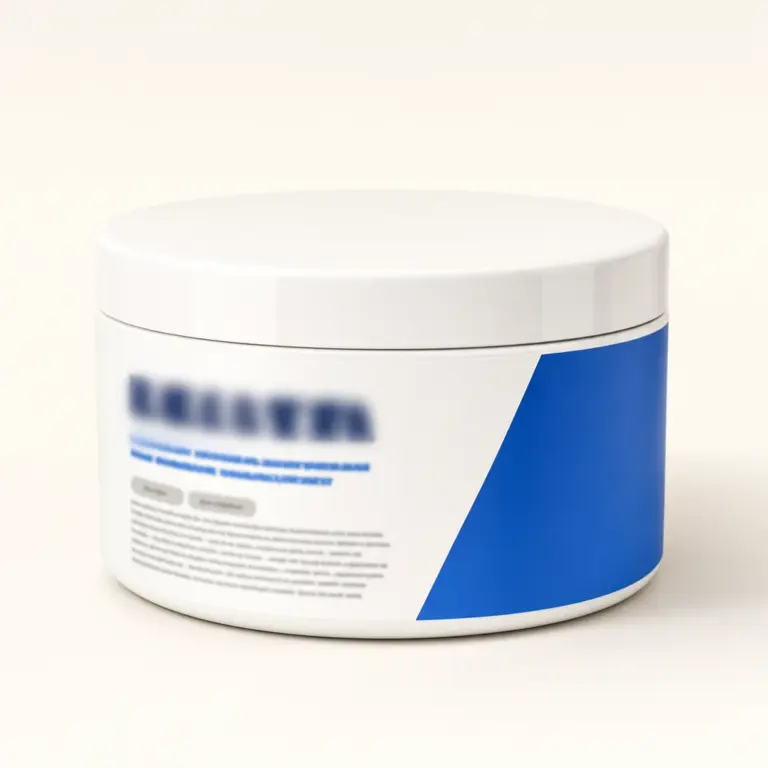
CeraVe
CeraVe Moisturizing Cream
Best for Dry to very dry skin, face and body, winter dryness
A rich, fragrance-free cream for dry to very dry skin, recommended by dermatologists in Wirecutter's research.
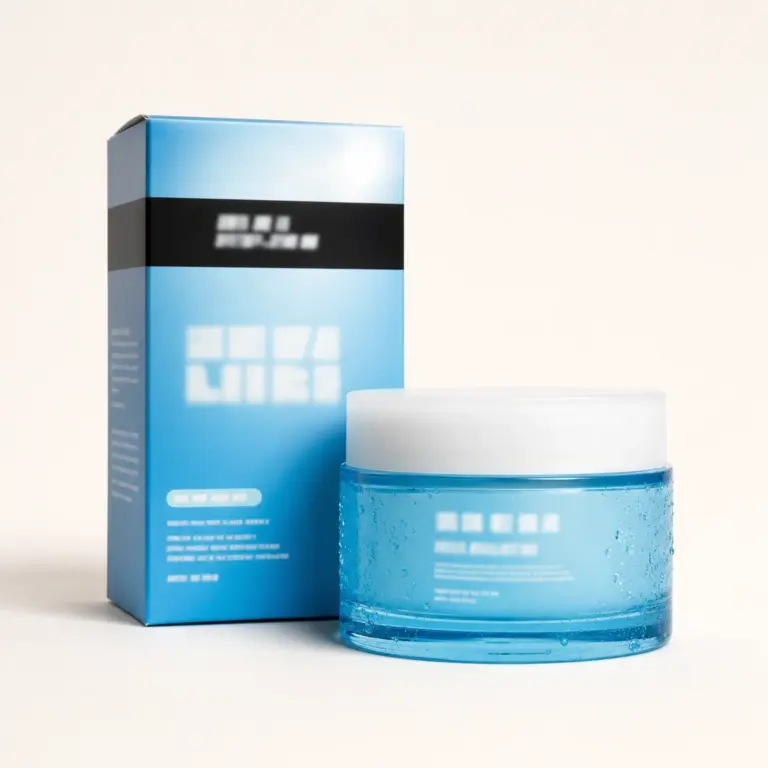
Neutrogena
Neutrogena Hydro Boost Gel Cream
Best for Combination and normal-to-oily skin; layering under makeup
A water-light gel-cream moisturizer with hyaluronic acid for combination and normal-to-oily skin.
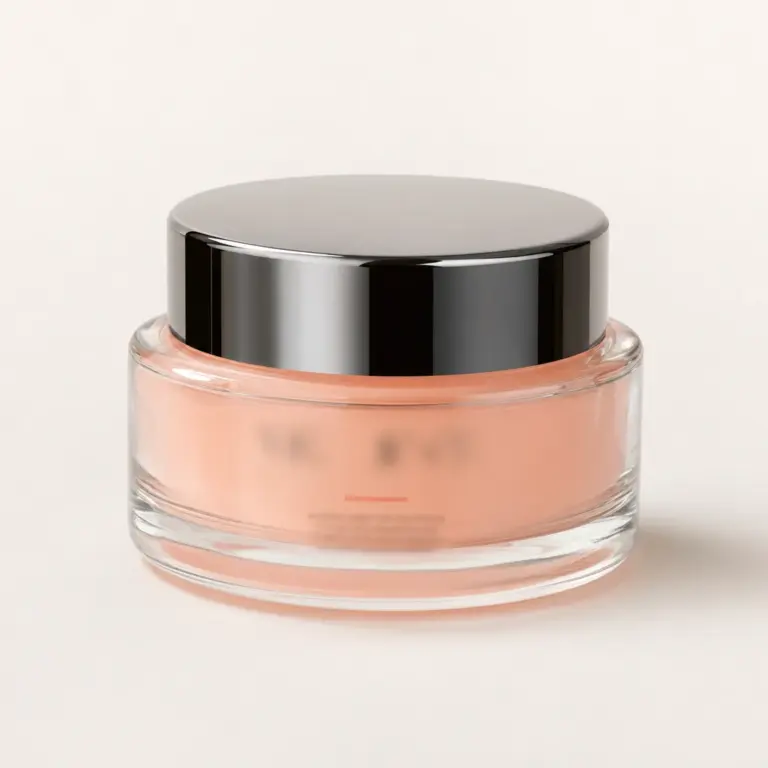
Clinique
Clinique Moisture Surge 100H Auto-Replenishing Hydrator
Best for Oily, combination or dehydrated skin wanting premium hydration
Premium oil-free gel-cream with hyaluronic acid, designed for oily and combination skin seeking lightweight hydration.
As an Amazon Associate I earn from qualifying purchases. How we make money
Frequently asked questions
How do I know if I need a cream or a gel moisturizer?
Your skin type and personal preference guide this choice. Dry to very dry skin typically benefits from richer creams that contain more occlusives and emollients to lock in moisture and protect the barrier. Oily, combination and normal skin often prefer lightweight gels or gel-creams that absorb quickly and don’t leave a greasy film. If you’re unsure, start with a lotion or gel-cream—these middle-ground textures work for many skin types—and adjust richer or lighter based on how your skin feels after a week or two.
Can I use the same moisturizer morning and night?
Yes, you can use the same moisturizer morning and night if it meets your skin’s needs and layers well under sunscreen during the day. Many people do choose different formulas, though: a lighter gel or lotion in the morning that sits comfortably under makeup and sunscreen, and a richer cream at night when the skin repairs itself. If you use active ingredients like retinoids in the evening, a more emollient night cream can help buffer potential irritation. Listen to your skin and adjust as needed.
Do I still need moisturizer if I have oily skin?
Yes. Oily skin still needs hydration—skipping moisturizer can actually make your skin produce more oil to compensate for dehydration. The key is choosing the right texture: look for lightweight, oil-free gels or gel-creams that provide water-based hydration with humectants like hyaluronic acid and glycerin, without adding heavy oils or occlusives that can feel greasy. Allure and Wirecutter both recommend gel formulas specifically for oily and combination skin types, and these absorb quickly without clogging pores or causing shine.
Should I patch test a new moisturizer?
Yes, especially if you have sensitive or reactive skin. Apply a small amount of the new moisturizer to your inner arm or along your jawline for a few days before using it all over your face. This helps you spot any irritation, redness or allergic reaction in a less visible area. Even products labeled hypoallergenic or fragrance-free can cause reactions in some individuals, so a patch test is a simple precaution that can save you from a full-face breakout or irritation.