Air Purifier Buying Guide: Room Size, HEPA Filters and Upkeep
Last updated: October 7, 2026
Cali's Cart is reader-supported. When you buy through our links we may earn a commission, at no extra cost to you. As an Amazon Associate I earn from qualifying purchases. Learn more
An air purifier circulates indoor air through one or more filters, capturing airborne particles before returning the air to the room. The two most important decisions are choosing a unit rated for your room size and understanding what type of filter it uses. A purifier that’s too small for the space will run constantly without cycling the air efficiently, while one that’s appropriately sized can run on a lower, quieter setting and still cover the room.
This air purifier buying guide walks you through measuring your room, understanding True HEPA and other filter types, and planning for the ongoing cost and effort of filter replacement. We researched independent coverage and manufacturer specifications to give you a practical framework for comparing models and avoiding common pitfalls.
In short
- Match the purifier to your room by measuring your space and comparing it to the brand’s room-size figures (usually in square feet)
- True HEPA filters capture very small airborne particles; check the filter type and how many stages of filtration the unit offers
- Plan for ongoing filter replacement costs and check how often filters need changing according to the manufacturer
Measure your room and match it to the brand’s coverage figure
Every air purifier lists a room-size figure (usually in square feet) that the brand rates it for. This number tells you the floor area the unit is designed to cover in a given time frame. Before you shop, measure the length and width of the room where you plan to use the purifier and multiply them to get the square footage. Compare that number to the coverage figure on the listing.
For example, the Coway Airmega AP-1512HH True HEPA Air Purifier is rated by the brand for 361 square feet in 12.5 minutes or 874 square feet in 30 minutes. That makes it a good match for a bedroom or living room up to 361 square feet if you want faster air cycling, but it can handle a larger space if you’re willing to let it run longer. If your room is significantly larger than the rated coverage, you may need a more powerful unit or longer run times to cycle the air effectively.
Keep in mind that open-concept layouts, high ceilings, and doorways to adjoining rooms all increase the volume of air the purifier needs to process. If your space is open to other rooms, consider the combined square footage rather than just one room’s footprint.
Understand True HEPA filters and other filtration stages
A True HEPA filter is a specific type of filter that meets a defined standard for capturing very small airborne particles. If you want a True HEPA filter, check the listing to confirm that the unit includes one (some products use the term loosely). Many air purifiers combine a True HEPA filter with additional stages: a washable pre-filter to catch larger particles like hair and lint, and a carbon or deodorization filter to address odours.
The Coway Airmega AP-1512HH, for instance, uses three-stage filtration according to the listing: a washable pre-filter, a deodorization filter, and a True HEPA filter. The pre-filter extends the life of the HEPA filter by trapping larger debris first, and you can rinse it under water rather than replacing it. The deodorization filter targets odours from cooking, pets, or other sources. Check the listing for details on how many stages the unit offers and what each filter is designed to capture.
Some purifiers use other filter types or technologies (such as activated carbon alone, or electrostatic filters). If the listing doesn’t specify True HEPA, read the filter description carefully to understand what you’re getting.
Plan for filter replacement costs and frequency
Air purifier filters don’t last forever. The HEPA filter and any carbon or deodorization filters will need replacing at intervals specified by the manufacturer—often every six to twelve months, depending on how heavily you use the unit and how much particulate matter it captures. This is an ongoing cost to factor into your decision.
Check the listing or the brand’s website for the recommended replacement schedule and the price of replacement filters. Some units have a filter indicator light that reminds you when it’s time to change the filter, which takes the guesswork out of maintenance. The washable pre-filter (if the unit has one) can be rinsed and reused, which saves money, but the HEPA and carbon filters are typically disposable.
If you run the purifier continuously or in a high-traffic household with pets, you may need to replace filters more often than the stated interval. Budget for filter changes throughout the year, and check whether replacement filters are easy to find and order.
Look for auto mode, manual speeds, and noise levels
Many air purifiers offer an auto mode that uses a built-in air-quality sensor to adjust the fan speed based on the particulate level in the room. When the sensor detects more particles, the fan speeds up; when the air is cleaner, it slows down or even shuts off. This feature is convenient if you want the unit to manage itself without constant manual adjustment.
The Coway Airmega AP-1512HH includes auto mode with an air-quality sensor, plus an eco mode that shuts the fan off after 30 minutes of clean air readings, according to the listing. It also offers three manual fan speeds and a timer. Manual speeds give you control over noise and airflow: you can run the purifier on low overnight for quieter operation, or turn it up when you’re cooking or cleaning.
Noise is an important consideration, especially for bedrooms. Check whether the listing or any independent coverage mentions the noise level on the lowest setting. Even a relatively quiet purifier will produce some white noise from the fan, but a well-designed unit on low speed should be unobtrusive enough for sleep. If noise is a concern, look for a model with a sleep mode or very low fan setting.
Common mistakes to avoid
One common mistake is buying a purifier that’s too small for the room. A unit rated for a smaller space will struggle in a significantly larger area, running constantly on high speed and wearing out the filter faster. Always compare your room’s square footage to the brand’s coverage figure before you buy.
Another pitfall is placing the purifier in a corner or against a wall where airflow is restricted. Air purifiers need space around them to draw in air and circulate it effectively. Read the manual for the recommended clearance and avoid tucking the unit behind furniture or curtains.
Finally, the ongoing cost of filter replacement is easy to underestimate. A purifier is not a one-time purchase; you’ll be buying new filters regularly, depending on use. Check the replacement cost and availability before you commit, and set a reminder to check the filter regularly so you’re not running a clogged filter that can’t do its job.
Quick checklist before you buy
Use this checklist to compare air purifiers and make sure you’re choosing a unit that fits your space and budget: • Measure your room (length × width) and compare the square footage to the brand’s coverage figure on the listing • Check the filter type: confirm whether it’s a True HEPA filter if that’s what you want, and see how many filtration stages the unit offers • Look up the filter replacement schedule and cost; budget for regular changes • Check the dimensions and weight on the listing to make sure the unit will fit your space and be easy to move if needed • Look for auto mode or a sensor if you want hands-off operation, and check the number of manual fan speeds • Read any independent coverage (such as Wirecutter or Consumer Reports) to see how the model performed in testing and whether it’s durable over time • Confirm the warranty length and what it covers; a longer warranty can be a sign of build quality • Check the power source (most are corded electric) and cord length if you have a specific outlet in mind
Where to place your air purifier and how to use it
Place the purifier in the room where you spend the most time, or where you want to improve air circulation—typically a bedroom, living room, or home office. Position it away from walls and furniture so air can flow freely around the unit. Avoid placing it directly next to curtains, under shelves, or in a tight corner.
For best results, run the purifier continuously on auto or low speed rather than turning it on and off. Air purifiers work by cycling the room’s air through the filter repeatedly, so intermittent use is less effective than steady operation. If noise or energy use is a concern, use the eco or sleep mode overnight and auto mode during the day. The unit is corded electric, so make sure you have an accessible outlet and follow the manual’s safety instructions (unplug before cleaning, don’t run the cord under rugs, and keep the unit away from water).
Clean or replace filters according to the manufacturer’s schedule. If your unit has a washable pre-filter, rinse it regularly and let it dry completely before putting it back. Check the filter indicator light (if the unit has one) and order replacement filters in advance so you’re not caught without a clean filter when the old one is spent.
Products to compare
Coway Airmega AP-1512HH True HEPA Air Purifier
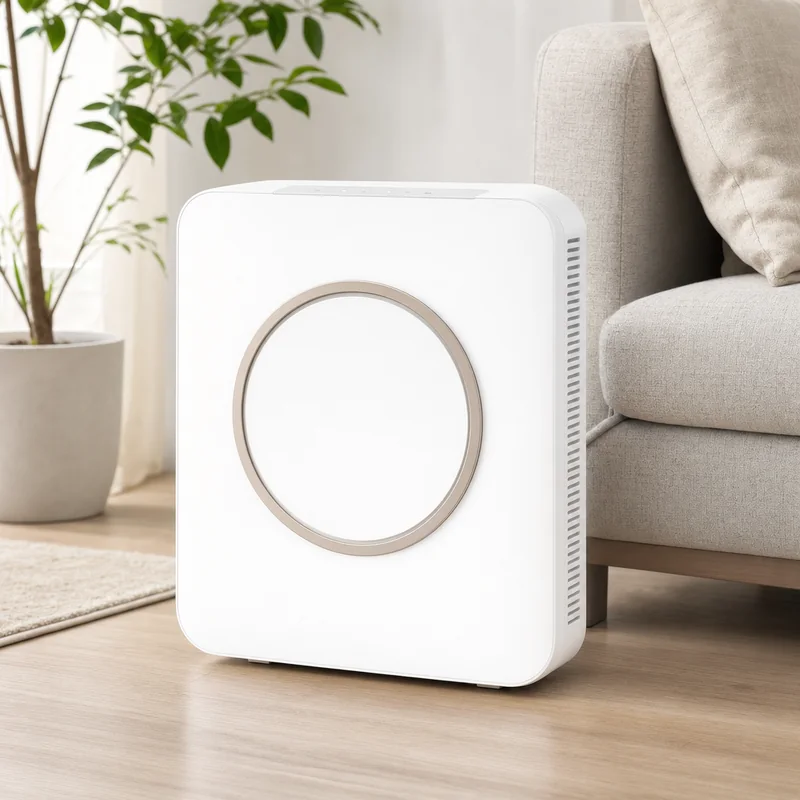
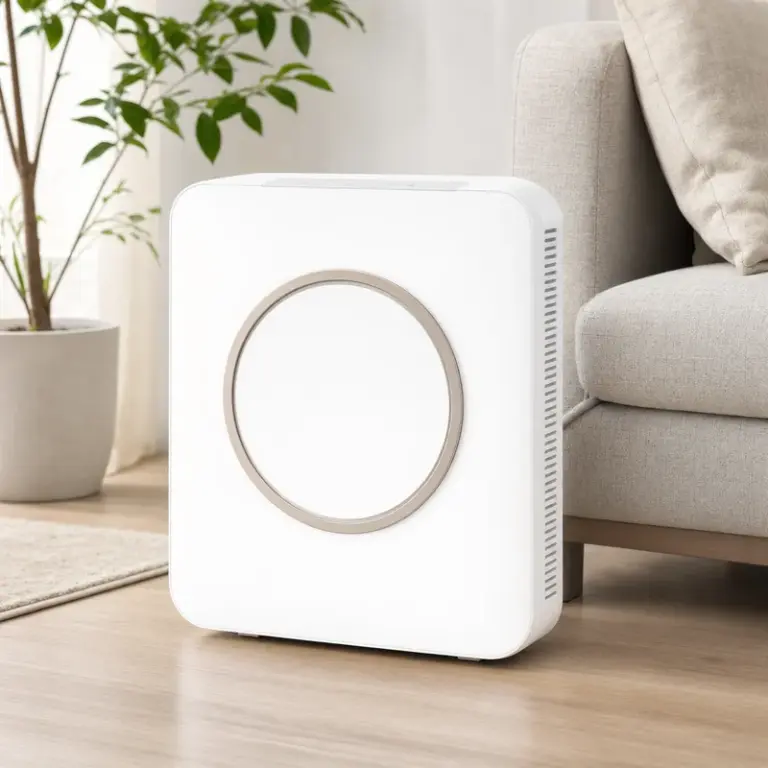
The Coway Airmega AP-1512HH True HEPA Air Purifier suits bedrooms and living rooms up to 361 square feet. According to the listing, it uses three-stage filtration (washable pre-filter, deodorization filter, and True HEPA filter) and offers auto mode with an air-quality sensor that adjusts the fan speed, plus eco mode that shuts the fan off after 30 minutes of clean air readings. Wirecutter called it “a legend for a reason” and praised its performance, efficiency, and durability; it was Wirecutter’s top pick for years and is now its runner-up. The unit measures 24.4 by 42.7 by 46.5 centimetres and weighs 5.67 kilograms, with three manual fan speeds, a timer, and a filter indicator. The brand rates coverage at 361 square feet in 12.5 minutes or 874 square feet in 30 minutes, so it can handle a larger room if you’re willing to let it run longer. It comes with a three-year limited manufacturer warranty. Plan for ongoing filter replacement costs, and note that it’s corded electric with no battery option. This is a mid-range to premium option; see the typical price range on this page.
Coway
Coway Airmega AP-1512HH True HEPA Air Purifier Review
Best for Bedrooms and living rooms up to 361 sq ft
True HEPA air purifier with auto mode and eco mode for bedrooms and living rooms up to 361 square feet.
As an Amazon Associate I earn from qualifying purchases. How we make money
Frequently asked questions
How do I know what size air purifier I need for my room?
Measure the length and width of your room and multiply them to get the square footage. Compare that number to the brand’s coverage figure on the listing (usually given in square feet). Choose a purifier rated for your room size or slightly larger. If your room is open to other spaces or has high ceilings, consider the total volume of air and look for a more powerful unit or be prepared to run it longer.
What is a True HEPA filter and do I need one?
A True HEPA filter is a specific type of filter that meets a defined standard for capturing very small airborne particles. If you want a True HEPA filter, check the listing to confirm that the unit includes one. Many purifiers combine a True HEPA filter with a washable pre-filter (for larger particles like hair and lint) and a carbon or deodorization filter (for odours). Read the listing to see how many filtration stages the unit offers and what each filter is designed to capture.
How often do I need to replace the filters and how much does it cost?
Filter replacement frequency depends on the manufacturer’s recommendation and how heavily you use the purifier. HEPA and carbon filters typically need replacing every six to twelve months. Check the listing or the brand’s website for the replacement schedule and filter cost. Washable pre-filters can be rinsed and reused, but HEPA and carbon filters are usually disposable. Budget for regular filter changes, and look for a unit with a filter indicator light to remind you when it’s time.
Where should I place an air purifier in my room?
Place the purifier away from walls, furniture, and curtains so air can flow freely around the unit. Avoid tight corners, under shelves, or directly next to drapes. Position it in the room where you spend the most time, and make sure you have an accessible outlet (most purifiers are corded electric). For best results, run the purifier continuously on auto or low speed rather than turning it on and off, and follow the manual’s safety instructions.