How to Choose a Vacuum for an Apartment or Condo
Last updated: October 7, 2026
Cali's Cart is reader-supported. When you buy through our links we may earn a commission, at no extra cost to you. As an Amazon Associate I earn from qualifying purchases. Learn more
Choosing a vacuum for an apartment or condo means balancing performance with the realities of smaller spaces: limited storage, nearby neighbours, mixed floor types and often no garage to stash a full-size upright. The right vacuum fits your closet, handles your floor surfaces and makes quick cleanups easy without dragging out heavy equipment or hunting for an outlet three rooms away.
This guide walks you through the practical questions—corded or cordless, weight and manoeuvrability, floor-type compatibility, bin size, filter maintenance and storage—so you can narrow your options and choose a vacuum that works in your space. We researched current models and independent reviews to show you what to look for and what to skip.
In short
- Corded stick vacuums run continuously and suit small spaces with nearby outlets; cordless models offer grab-and-go convenience but have limited run time.
- Weight matters in apartments: look for lightweight models if you carry the vacuum between floors or up stairs.
- Match the vacuum to your floors—hard floors need good suction and a soft brush or bare floor setting; carpet requires a motorized brush roll.
- Check bin capacity, filter care and storage footprint; measure your closet and compare dimensions on the listing.
Corded vs. cordless: which suits apartment life?
Corded stick vacuums plug into the wall and run as long as you need them, which suits apartments where outlets are close and cleaning sessions are short. You never wait for a charge, and the motor delivers consistent power from start to finish. The trade-off is the cord itself: it limits your reach and can snag on furniture legs or doorways. In a studio or one-bedroom, a long cord usually covers the space if you switch outlets once; in larger layouts, you may unplug and replug as you move from room to room.
Cordless stick vacuums run on rechargeable batteries, so you grab them from the dock and go—no outlet hunting, no cord to wind. Battery run time varies by model and power mode; the brand may claim up to an hour, but higher suction modes drain the battery faster. Over time, all rechargeable batteries lose capacity, so a cordless vacuum that runs well today may run for less time in a couple of years. If you clean in short bursts and have a spot to mount a charging dock, cordless can be very convenient. If you vacuum larger areas in one go or forget to recharge, corded may be more reliable.
Consider your routine: do you vacuum the whole apartment at once, or do you spot-clean high-traffic areas daily? Corded suits longer, planned sessions; cordless suits quick pickups and grab-and-go cleaning. Either way, check the listing for cord length or claimed run time, and remember that run-time figures from the brand are maximums, not guarantees.
Weight and manoeuvrability in tight spaces
In an apartment, you may carry the vacuum up a flight of stairs, lift it over a threshold or tuck it into a narrow closet several times a week. Weight matters. Stick vacuums range from very light to noticeably heavier; a lightweight model is easy to carry with one hand, while a heavier cordless (with battery installed) feels more substantial on stairs or when you hold it above the floor to clean furniture.
Swivel steering and a low-profile head help you navigate around chair legs, under beds and along baseboards without moving furniture. According to the listing, the Shark Rocket Corded Stick Vacuum (HV300C) features swivel steering and weighs under 9 lb, which can make tight corners easier. The BISSELL Featherweight Stick Vacuum weighs about 3 lb according to the listing, light enough to carry upstairs or hold overhead to reach cobwebs, though RTINGS found it weak on carpet.
If you have mobility concerns or simply want the lightest option for daily use, compare the item weight on each listing and look for models that convert to handheld mode—you can detach the stick and clean stairs, upholstery or car interiors without lugging the full vacuum body.
Matching the vacuum to your floor types
Apartments and condos often mix sealed hardwood, laminate, tile and area rugs in a single floor plan. A vacuum that works on all these surfaces saves you from owning multiple tools. Hard floors need good suction and a setting that won’t scatter debris; look for a soft roller, bare-floor mode or the ability to turn off the brush roll. Carpet and rugs need a motorized brush roll to lift dirt from fibres; low-pile and high-pile carpet may require different power settings.
Check the listing’s surface recommendations. The Dyson V15 Detect Plus Cordless Vacuum lists all floors as its surface recommendation and includes a de-tangling motorbar for mixed floor types, according to the brand. The BISSELL Featherweight lists hard floor and low-pile carpet; RTINGS found it fine on hard floors but weak on carpet, so if you have thick rugs, it may not be the best fit.
If you have only hard floors and low-pile rugs, a lightweight stick with cyclonic or foam filtration will handle daily dust and crumbs. If you have wall-to-wall carpet or thick area rugs, look for a model with adjustable suction or a motorized head designed for carpet, and check independent reviews (like RTINGS or Consumer Reports) to see how it performed on carpet in testing.
Bin capacity, filter care and ongoing costs
Bagless stick vacuums have small dirt cups—typically less than a litre to just over a litre—because the body is narrow and lightweight. A smaller bin means more frequent emptying, but in an apartment you may not generate enough debris to fill even a smaller cup in one session. The BISSELL Featherweight has a 0.67 L bagless dirt cup; the Shark Rocket has a 1.2 L dust cup. If you have pets or vacuum daily, the larger bin saves trips to the trash.
Filters trap fine dust and keep it from recirculating into your air. Washable filters (foam, felt or cartridge) cost nothing to maintain but require regular rinsing and drying—plan to rinse every few uses and replace when they no longer come clean. HEPA filters capture very fine particles; the Dyson V15 Detect Plus has a washable HEPA filter according to the listing. Some vacuums use disposable filters that you replace periodically; check the listing or manual for replacement intervals and look up the filter cost before you buy.
Cordless vacuums eventually need a new battery, which can be expensive and may require professional installation depending on the model. Corded vacuums have no battery to replace, but the cord itself can fray over time. Budget for these ongoing costs and factor them into your decision.
Storage footprint and apartment-friendly features
Apartments rarely have a utility closet, so your vacuum will likely live in a coat closet, under the bed or mounted on a wall. Measure your storage space and compare it with the vacuum’s dimensions on the listing. Stick vacuums are tall and narrow; some stand upright on their own, others need to lean against a wall or hang on a hook. RTINGS noted that the Shark Rocket does not stand upright on its own, so you’ll need to prop it or install a wall mount.
Cordless models often come with a charging dock that mounts to the wall; you’ll need a spot near an outlet, ideally in a closet or behind a door, and you may need to drill into drywall or use heavy-duty adhesive strips (follow the manual and respect your lease). Corded vacuums need a place to wrap the cord; some have built-in cord clips, others require you to coil the cord by hand.
If you live in a building with noise bylaws or thin walls, consider the vacuum’s noise level during evening or early-morning cleaning. Corded and cordless stick vacuums are generally quieter than full-size uprights, but if noise is a concern, look for independent reviews that mention sound levels, or plan to vacuum during daytime hours.
Common mistakes to avoid
One common mistake is choosing a vacuum based on weight alone and ignoring floor-type compatibility. A very light stick may be easy to carry, but if it can’t handle your carpet, you’ll end up frustrated. Always cross-check the surface recommendation on the listing with your actual floors, and read independent reviews to see how the vacuum performed on those surfaces in testing.
Another mistake is assuming cordless always means more convenient. If you forget to charge the vacuum or your battery dies mid-session, cordless becomes less convenient than corded. Be honest about your habits: if you’re likely to leave the vacuum uncharged for days, a corded model may serve you better. Similarly, don’t assume a larger bin is always better—if the vacuum is heavier or bulkier because of the larger bin, it may be harder to store or carry, and in a small apartment you may not need the extra capacity.
Finally, many buyers overlook filter maintenance and replacement costs. A vacuum with a disposable HEPA filter may cost less up front but require ongoing filter purchases; a washable filter costs nothing but adds a chore to your cleaning routine. Check the listing for filter type, search for replacement filter prices and factor that into your total cost of ownership.
Quick checklist before you buy
Before you choose a vacuum for your apartment or condo, run through this checklist to make sure the model suits your space and routine:
**Floor types:** Does the listing’s surface recommendation match your floors? If you have carpet, does the vacuum have a motorized brush roll? If you have only hard floors, can you turn off the brush or does it have a bare-floor mode?
**Weight and portability:** Check the item weight on the listing. If you carry the vacuum upstairs or between rooms, look for lightweight models. Does it convert to handheld for stairs and furniture?
**Power source:** Corded or cordless? If corded, is the cord long enough to reach across your largest room (measure and compare)? If cordless, what is the claimed run time, and do you have a spot to mount the charging dock?
**Bin and filter:** What is the dirt-cup capacity, and how often will you empty it? Is the filter washable or disposable, and what does a replacement filter cost?
**Storage:** Measure your closet or storage spot and compare with the vacuum’s dimensions on the listing. Does it stand upright, or will you need a wall mount or hook?
**Warranty and care:** Check the listing for warranty length and care instructions. For corded appliances, follow the manual, unplug before cleaning and keep the cord away from hot surfaces.
Products to compare
BISSELL Featherweight Stick Vacuum
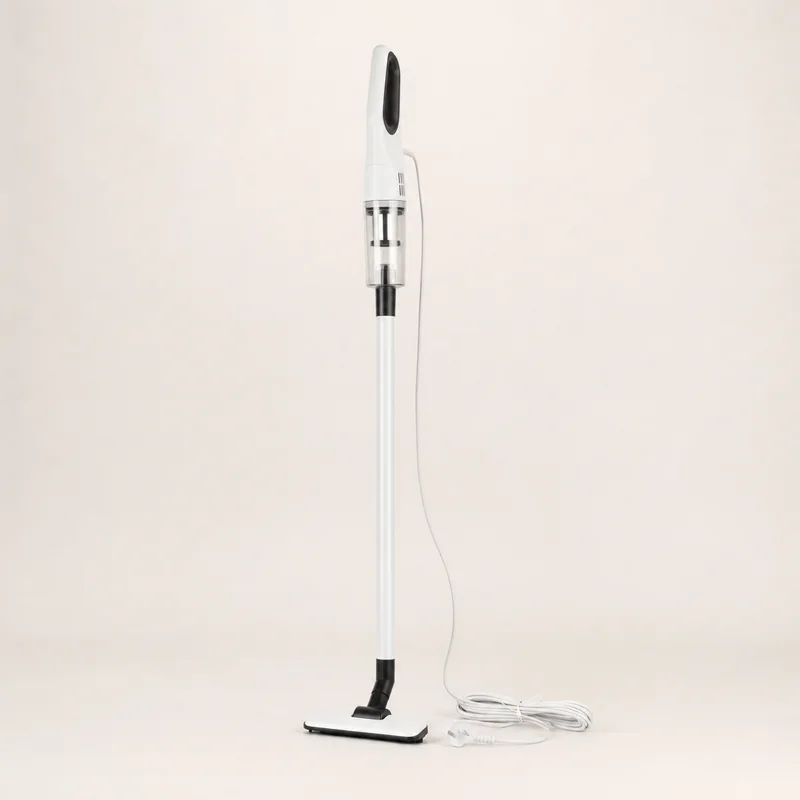
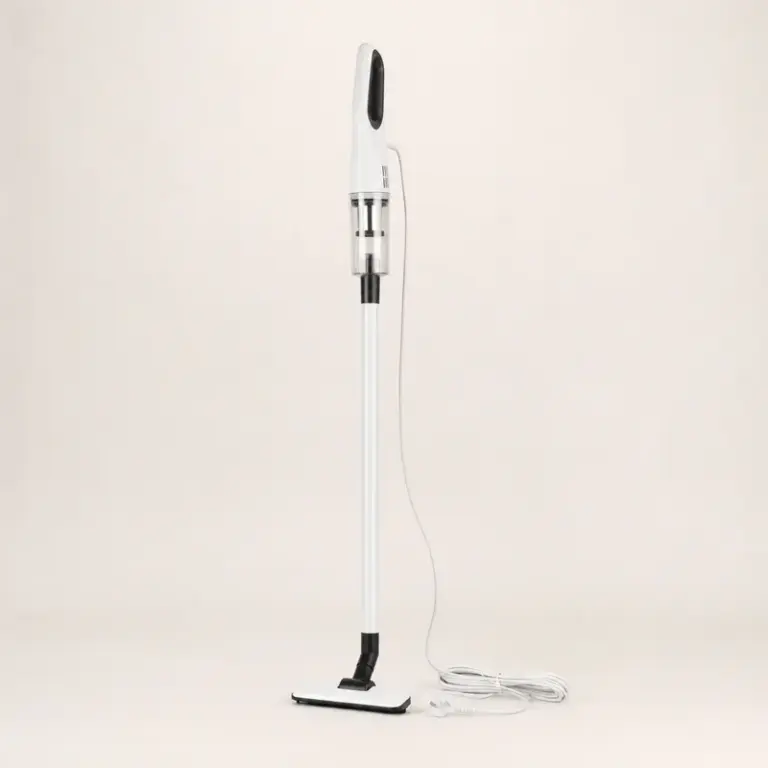
The BISSELL Featherweight Stick Vacuum suits small apartments with mostly hard floors and low-pile rugs, where you want the lightest possible vacuum for quick pickups and stair cleaning. According to the listing, it weighs about 3 lb and converts from stick to handheld to stair vacuum, with a 0.67 L bagless dirt cup and washable cartridge filter. It runs on corded electric power (2.1 A), so there’s no battery to charge, but RTINGS found it very light and fine for hard floors and small messes, yet weak on carpet with a short cord. If you have thick carpet or need to vacuum large areas in one go, this may not be the best fit. Check the listing for cord length and compare it with your space. The price level is affordable to mid-range, and the listing states a one-year warranty.
Shark Rocket Corded Stick Vacuum (HV300C)
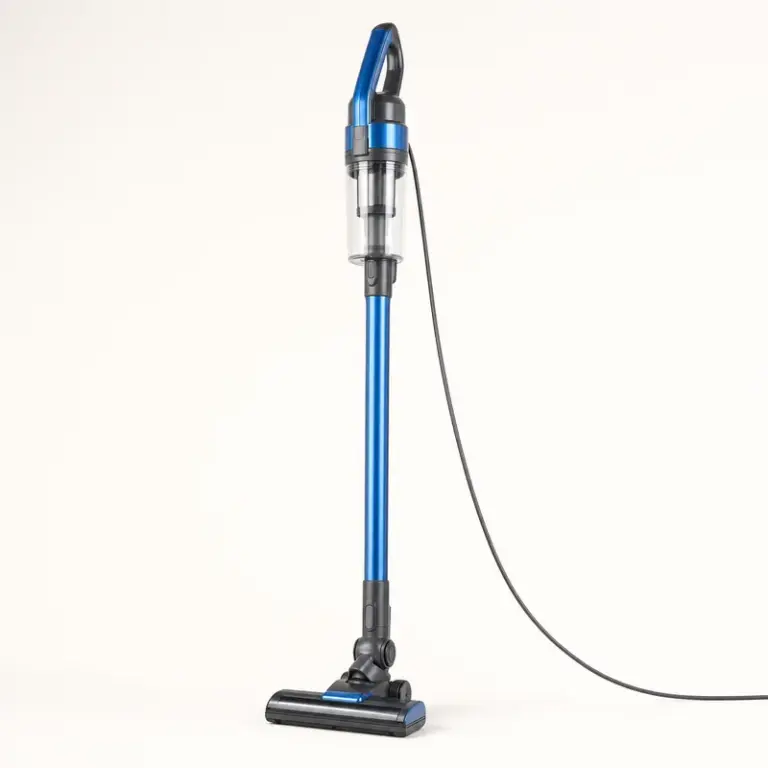
The Shark Rocket Corded Stick Vacuum (HV300C) suits renters and owners who want continuous corded power, a longer reach and a larger bin without stepping up to a full-size upright. According to the listing, it weighs under 9 lb, converts to handheld, has swivel steering for tight spaces and a 1.2 L dust cup—nearly double the Featherweight’s capacity. The 25-ft cord and 500-watt motor provide steady power for carpets and hard floors, and the listing states washable foam filters and a five-year limited warranty. RTINGS reviewed the Shark Rocket corded and found it does well on bare floors and decently on stairs, but noted a bare-bones build and that it does not stand upright on its own—you’ll need to lean it or install a wall hook. The price level is mid-range to premium. If you want cordless convenience or the lightest stick for carrying upstairs, consider the Featherweight or a cordless model instead.
Dyson V15 Detect Plus Cordless Vacuum
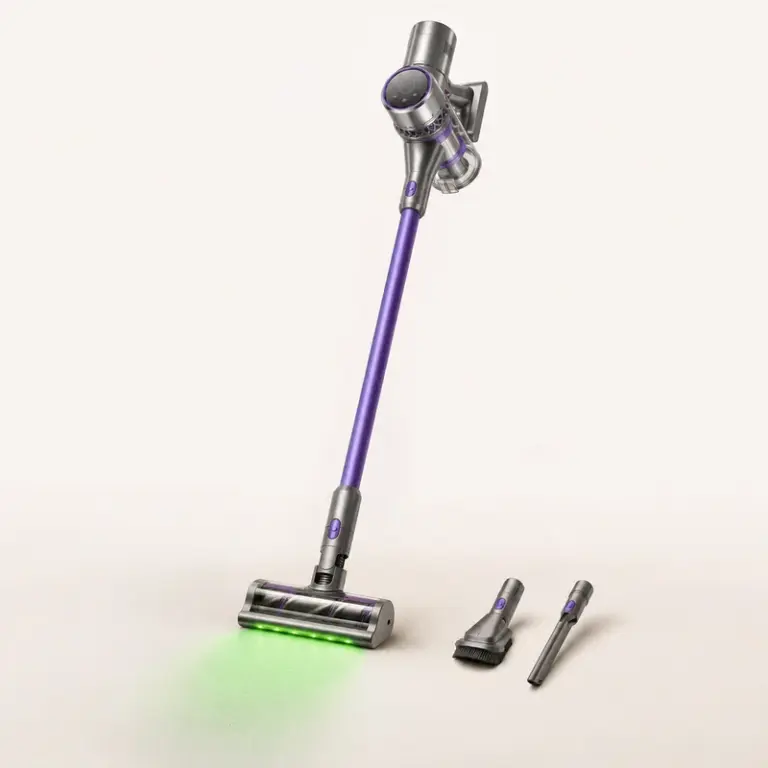
The Dyson V15 Detect Plus Cordless Vacuum suits pet owners and detail-oriented cleaners who want cordless flexibility, HEPA filtration and real-time feedback on dust levels. According to the listing, it has a 0.77 L bin, washable HEPA filter, battery power with a charging dock and a de-tangling motorbar for all floor types (brand claim). The brand says the laser head reveals dust on hard floors and the LCD screen shows run time, power mode and particle counts; run time is claimed as up to an hour, though higher power modes will drain the battery faster. Consumer Reports tested the base Dyson V15 Detect (not this exact Plus version) and called it a solid cordless vacuum, good enough to be a top Dyson in its stick-vacuum category at the time, though it did not swoon over it. The price level is mid-range to premium, and at 2.74 kg it is heavier than many budget sticks. The charging dock requires wall installation, so check your lease and measure your space. If you’re on a tight budget or want the lightest vacuum, look at corded options instead.
BISSELL Little Green ProHeat Portable Carpet Cleaner
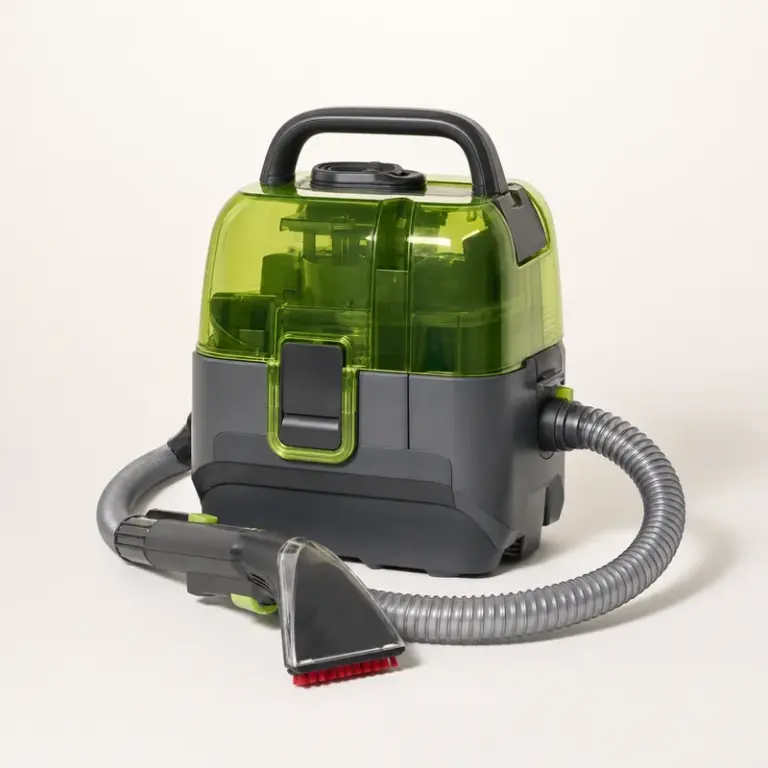
The BISSELL Little Green ProHeat Portable Carpet Cleaner is not a vacuum—it’s a spot cleaner for tackling pet accidents, coffee spills, muddy footprints and upholstery stains in apartments and condos. According to the listing, it uses HeatWave technology to maintain consistent water temperature (brand claim), has a 37-oz tank, a 15-ft power cord and weighs 3.86 kg. It includes a HydroRinse self-cleaning hose tool to flush debris after use and comes with BISSELL PRO OXY spot formula. The listing states corded electric power (120V) and a two-year limited warranty. This is a spot cleaner only, not for deep-cleaning entire rooms or replacing a vacuum, and it requires regular rinsing of the tank and seals. No independent review was found for this model, so the description above reflects only what the listing says. If you need whole-room carpet cleaning or cordless portability, this is not the right tool. For comparing spot cleaners and steam mops, see BISSELL Little Green vs BISSELL PowerFresh Steam Mop.
BISSELL
BISSELL Featherweight Stick Vacuum
Best for Small apartments, hard floors, quick pickups
A 3-lb corded stick vacuum that converts to a handheld for quick cleanups on hard floors and low-pile carpet.
Shark
Shark Rocket Corded Stick Vacuum (HV300C)
Best for Hard floors, stairs, and quick cleanups without recharging
A lightweight corded stick vacuum that converts to a handheld for floor-to-ceiling cleaning on hard floors and carpets.
Dyson
Dyson V15 Detect Plus Cordless Vacuum Review
Best for Pet homes, mixed floors, buyers wanting detailed feedback
Premium cordless stick vacuum with laser dust detection, HEPA filtration and an LCD screen showing particle counts.
BISSELL
BISSELL Little Green ProHeat Portable Carpet Cleaner
Best for Pet accidents, coffee spills, car seats and upholstery stains
A corded portable spot cleaner with HeatWave technology, a 37-oz tank and self-cleaning hose for upholstery and car interiors.
As an Amazon Associate I earn from qualifying purchases. How we make money
Frequently asked questions
Do I need a vacuum with a motorized brush roll for hard floors?
Not necessarily. Hard floors need good suction and a setting that won’t scatter debris; many stick vacuums have a bare-floor mode or let you turn off the brush roll to avoid flinging dust around. A motorized brush roll is essential for carpet and rugs, where it lifts dirt from fibres, but on sealed hardwood, laminate or tile, a soft roller or suction-only mode often works better. Check the listing’s surface recommendation and look for a model that handles your actual floor types—if you have a mix of hard floors and carpet, choose a vacuum with adjustable settings or a multi-surface head.
How often do I need to replace or clean the filter?
Washable filters (foam, felt or cartridge) should be rinsed every few uses and left to dry completely before reinstalling; replace them when they no longer come clean or start to smell. Disposable filters typically need replacing periodically, depending on how often you vacuum and how dusty your home is. HEPA filters may be washable or disposable—check the listing and manual. Clogged filters reduce suction and can strain the motor, so keep up with the maintenance schedule and budget for replacement filters if your model uses disposable ones.
Can I use a corded stick vacuum if I don’t have outlets in every room?
Yes, but you’ll need to unplug and move to a new outlet as you go, which can slow you down. Measure the distance from your outlets to the farthest corner of each room and compare it with the vacuum’s cord length (listed in feet or metres on the product page). A long cord covers most studio or one-bedroom layouts with one or two outlet changes; larger apartments may require more unplugging. If outlet access is very limited or you find cords annoying, a cordless vacuum may be more convenient—just remember to charge it between uses and expect the battery to lose capacity over time.
What’s the difference between a stick vacuum and a portable carpet cleaner?
A stick vacuum uses suction (and sometimes a brush roll) to pick up dry debris—dust, crumbs, pet hair—from floors and furniture. A portable carpet cleaner, like the BISSELL Little Green, sprays water and cleaning solution onto carpet or upholstery, scrubs the surface and extracts the dirty water, tackling wet stains and ground-in dirt. You need both tools for complete home care: the vacuum for daily or weekly dry cleaning, the carpet cleaner for occasional spot treatment of spills and stains. Neither replaces the other, and a carpet cleaner will not pick up dry debris the way a vacuum does.