How to Clean Hardwood, Laminate, Tile and Vinyl Floors
Last updated: October 7, 2026
Cali's Cart is reader-supported. When you buy through our links we may earn a commission, at no extra cost to you. As an Amazon Associate I earn from qualifying purchases. Learn more
Different flooring materials need different care. What works beautifully on ceramic tile can warp laminate or dull the finish on hardwood. Understanding your floor type—and how much water it can handle—is the first step to keeping it clean without causing damage.
We researched the most effective methods for cleaning hardwood, laminate, tile and vinyl floors, along with the tools that make the job easier. Whether you’re dealing with everyday dust or sticky spills, the right approach protects your investment and keeps your floors looking their best.
In short
- Sealed hardwood and laminate need minimal water—wring mops well and never use steam on unsealed or waxed wood.
- Tile and sealed stone tolerate more moisture; a spin mop or steam mop works well on sealed surfaces.
- Always sweep or vacuum before mopping, and test any cleaner on a hidden spot first.
Know your floor type before you start
Check whether your hardwood or laminate floor is sealed or unsealed, and whether it has a wax finish. Sealed floors have a protective polyurethane or similar coating; unsealed floors absorb water and stain easily. If you’re not sure, place a drop of water on an inconspicuous spot—if it beads up, the floor is sealed. If it soaks in, it’s unsealed and requires special care.
Vinyl and tile are generally more forgiving, but even these surfaces have limits. Luxury vinyl plank (LVP) and sheet vinyl usually tolerate damp mopping, but check the manufacturer’s care guide for any restrictions. Ceramic and porcelain tile are durable and sealed, though grout lines may need periodic sealing to resist stains. Natural stone tile (marble, travertine, slate) often requires pH-neutral cleaners and should never be cleaned with acidic products like vinegar.
Sweep or vacuum first
Dirt, sand and grit act like sandpaper underfoot, scratching floors over time. Always sweep with a soft-bristle broom or vacuum with a hard-floor setting before you mop. This removes the loose debris that would otherwise turn into muddy streaks the moment you add water.
For hardwood and laminate, use a vacuum without a beater bar, or switch to a hard-floor attachment. For tile and vinyl, a standard vacuum or broom works well. Pay attention to corners, edges and the spaces under furniture where dust collects.
How to clean sealed hardwood and laminate
Sealed hardwood and laminate floors need very little water. Too much moisture can seep into seams, causing the planks to swell, warp or separate. Use a damp—not wet—mop, and wring it out thoroughly before each pass. A spray bottle and microfiber cloth also work well: mist a small section, then wipe immediately.
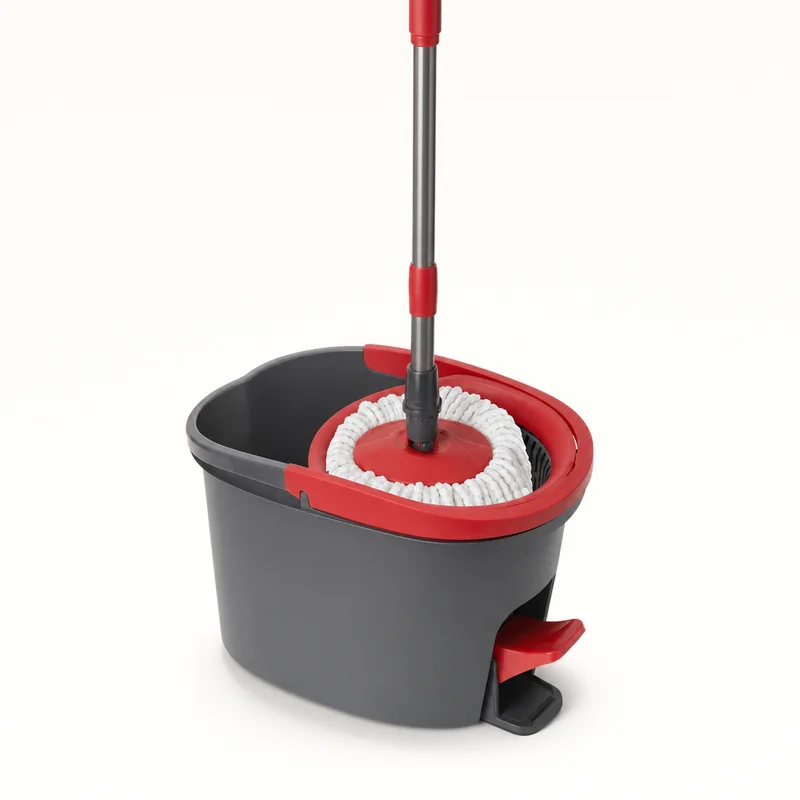
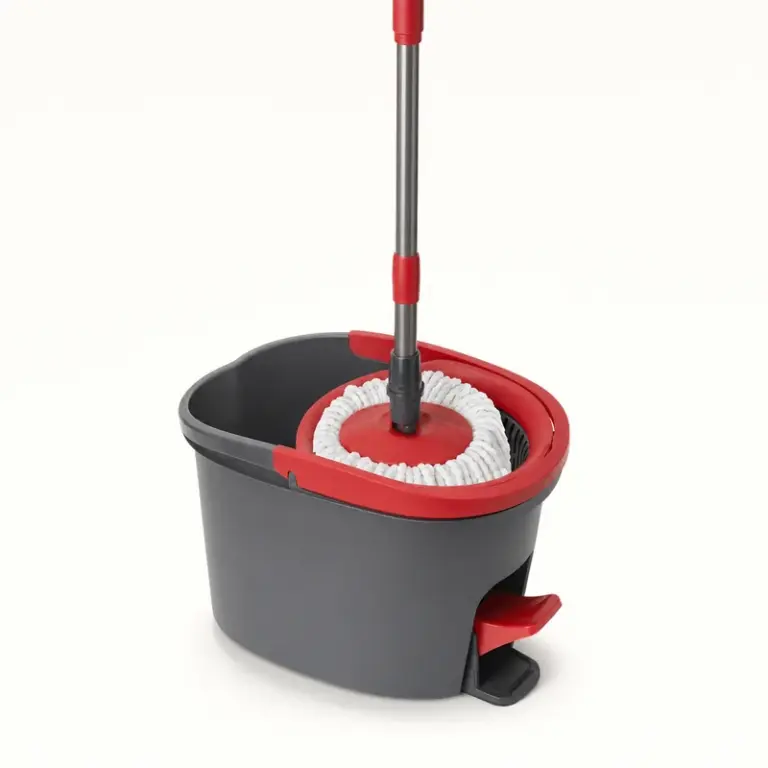
The O-Cedar EasyWring Microfiber Spin Mop and Bucket is a mid-range to premium option with a 1.6-gallon bucket and a built-in foot-pedal wringer, according to the listing. CNN Underscored tested mops and named this model its best mop, noting that it combines hands-free wringing with a lightweight triangular head for mopping and spot-scrubbing. The triangle microfiber head rotates 360 degrees and reaches corners and under furniture, and the splash guard keeps water inside the bucket. The mop head is machine-washable, though the brand suggests replacing it every three months. The bucket is bulky to store, and plastic parts can break over time.
Never use a steam mop on unsealed or waxed hardwood, and check your laminate manufacturer’s instructions—many laminates cannot tolerate steam. For everyday cleaning, plain water is often enough; if you use a cleaner, choose one labelled safe for hardwood or laminate and follow the dilution instructions on the bottle.
How to clean tile and vinyl floors
Ceramic, porcelain and sealed stone tile can handle more water than wood or laminate. You can use a traditional mop and bucket, a spin mop or a steam mop on sealed tile and vinyl. For grout lines and dried spills, a little extra scrubbing helps.
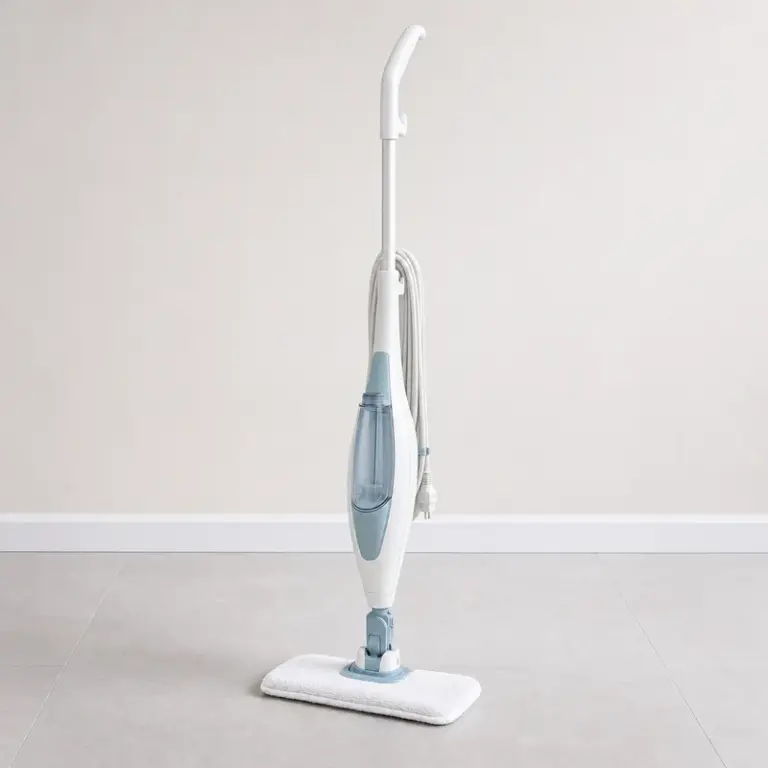
The BISSELL PowerFresh Steam Mop (1940) is a mid-range to premium corded steam mop designed for sealed tile, vinyl and stone floors. According to the listing, it features SmartSet digital steam control with three levels (high, medium and low), a flip-down scrubber for grout lines and crevice buildup, and a removable 0.45-litre water tank. The brand claims it is ready to steam about 30 seconds after you switch it on. Wirecutter recommends this model as its dependable steam-mop top pick and warns that steam mops are only safe on sealed floors; never use one on unsealed wood, waxed floors or delicate laminate. The 23-foot power cord extends reach, but the corded design still limits mobility. The pads require regular washing, and because the mop produces hot steam, follow the manual and keep it away from children and pets.
For vinyl, check the manufacturer’s care guide before using steam or any new cleaner. Some vinyl floors have wear layers that can be damaged by excessive heat or harsh chemicals. A damp mop with a pH-neutral cleaner is usually the safest choice.
Choosing the right cleaning cloths and tools
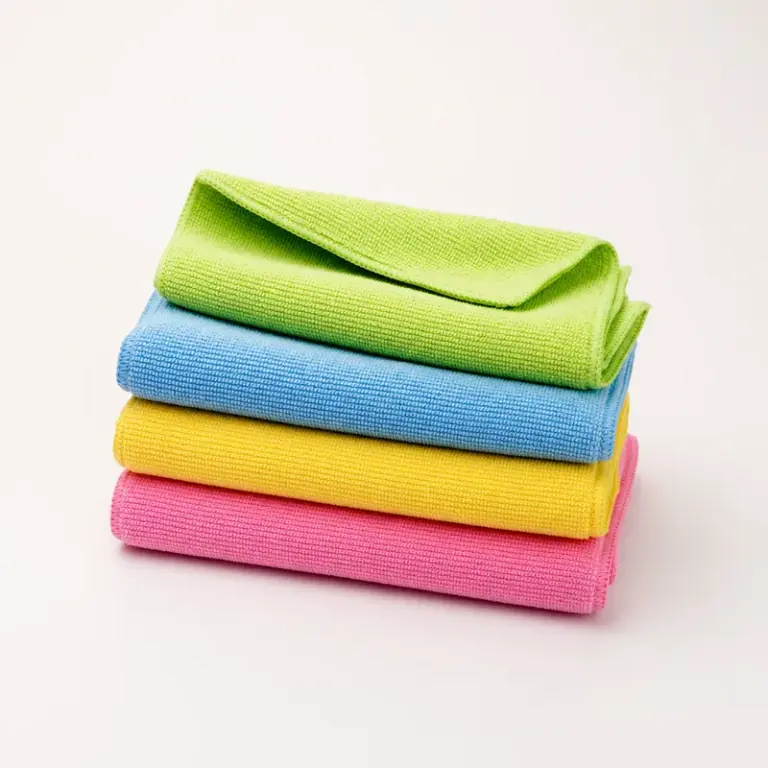
Microfiber is the go-to material for floor cleaning because it traps dirt and absorbs moisture without scratching. The MR.SIGA Microfiber Cleaning Cloths (12-Pack) are made from 85 per cent polyester and 15 per cent nylon microfiber, and each cloth measures 32 by 32 centimetres. According to the listing, the cloths have reinforced edges designed for repeated washing, a hanging loop for storage, and come in assorted colours. Good Housekeeping’s testing found these cloths very absorbent, and The Spruce and Food Network also name them among top picks. The listing says they are quick-drying and lint-free. Wash them without bleach or fabric softener, and air dry—no tumble dryer. They’re not ideal for polishing camera lenses or eyeglasses.
For general floor care, keep a few microfiber mop pads or cloths on hand so you can rotate them between washes. Assign different colours to different tasks (floors, counters, bathrooms) to avoid cross-contamination.
Common mistakes to avoid
Using too much water is the most common mistake, especially on hardwood and laminate. Excess moisture seeps into seams and edges, leading to swelling, buckling and permanent damage. Always wring your mop until it’s just damp, and never let water pool on the floor.
Skipping the sweep or vacuum step means you’re just pushing dirt around, and grit scratches the floor as you mop. Another mistake is using the wrong cleaner: acidic products (vinegar, lemon juice) can etch natural stone and dull some finishes, while oil-based soaps leave a residue that attracts more dirt. Stick to pH-neutral cleaners labelled safe for your floor type, and test any new product on a hidden spot first.
Finally, don’t assume all floors can handle steam. Steam mops are only safe on sealed tile, vinyl and stone. Using steam on unsealed or waxed wood, or on delicate laminate, can cause warping, cloudiness and finish damage. When in doubt, check the flooring manufacturer’s care instructions.
Quick checklist before you buy
Before you invest in a mop or cleaning tool, measure your storage space—spin-mop buckets and steam mops take up more room than a traditional mop. Check the product listing for dimensions and weight, and think about where you’ll keep the tool between uses.
Consider your floor types. If you have a mix of hardwood, tile and vinyl, a spin mop with a microfiber head works on all of them as long as you wring it well. If you have mostly sealed tile or vinyl and want to tackle grout, a steam mop with a scrubber attachment may be worth the investment. For homes with only hardwood or laminate, a simple spray-and-wipe method with microfiber cloths may be all you need.
Look at the care requirements. Machine-washable mop heads and cloths save money over disposable pads, but you’ll need to wash them regularly. Check whether replacement heads or pads are easy to find and how often the brand suggests replacing them. For steam mops, note the water-tank capacity and cord length, and make sure the model is suitable for your floor type.
Products to compare
O-Cedar EasyWring Microfiber Spin Mop and Bucket
The O-Cedar EasyWring Microfiber Spin Mop and Bucket suits anyone cleaning tile, vinyl or laminate floors who wants to keep their hands dry. According to the listing, the 1.6-gallon bucket has a built-in foot-pedal wringer, and the triangle microfiber head rotates 360 degrees to reach corners and under furniture. CNN Underscored tested mops and named this model its best mop, combining hands-free wringing with a lightweight triangular head for mopping and spot-scrubbing. The splash guard keeps water inside the bucket, and the mop head is machine-washable, though the brand suggests replacing it every three months. The bucket is bulky to store, plastic parts can break over time, and it’s not suitable for unsealed hardwood. See the typical price range on this page.
BISSELL PowerFresh Steam Mop (1940)
The BISSELL PowerFresh Steam Mop (1940) is designed for sealed tile, vinyl and stone floors, and it suits anyone who wants to clean grout lines and dried spills without a separate scrub brush. According to the listing, it features SmartSet digital steam control with three levels, a flip-down scrubber for grout and crevice buildup, and a removable 0.45-litre water tank. Wirecutter recommends this model as its dependable steam-mop top pick and warns that steam mops are only safe on sealed floors. The brand claims it is ready to steam about 30 seconds after you switch it on, and the 23-foot power cord extends reach. Never use it on unsealed wood, waxed floors or delicate laminate. The corded design limits mobility, pads require regular washing, and because it produces hot steam, follow the manual and keep it away from children and pets. See the typical price range on this page.
MR.SIGA Microfiber Cleaning Cloths (12-Pack)
The MR.SIGA Microfiber Cleaning Cloths (12-Pack) suit anyone who wants reusable, versatile cloths for counters, glass, mirrors, dusting and everyday kitchen cleaning. According to the listing, each cloth is made from 85 per cent polyester and 15 per cent nylon microfiber, measures 32 by 32 centimetres, and has reinforced edges designed for repeated washing and a hanging loop for storage. Good Housekeeping’s testing found these cloths very absorbent, and The Spruce and Food Network also name them among top picks. The listing says they are quick-drying and lint-free. Wash them without bleach or fabric softener, and air dry—no tumble dryer. They’re not ideal for polishing camera lenses or eyeglasses. See the typical price range on this page.
O-Cedar
O-Cedar EasyWring Microfiber Spin Mop and Bucket Review
Best for Tile, vinyl and laminate floors; hands-free wringing
Spin mop with foot-pedal wringer, triangle microfiber head and 1.6-gallon bucket for tile, vinyl and laminate floors.
BISSELL
BISSELL PowerFresh Steam Mop (1940) Review
Best for Sealed tile, vinyl and stone floors
Steam mop for sealed tile and vinyl with adjustable steam levels and a built-in scrubber for grout and dried spills.
MR.SIGA
MR.SIGA Microfiber Cleaning Cloths (12-Pack)
Best for Counters, glass, mirrors, dusting and everyday kitchen cleaning
Twelve soft microfiber cloths for counters, glass and everyday cleaning, with reinforced edges for repeated washing.
As an Amazon Associate I earn from qualifying purchases. How we make money
Frequently asked questions
Can I use vinegar to clean hardwood floors?
Vinegar is acidic and can dull the finish on sealed hardwood over time, and it may damage some laminates and natural stone. Stick to pH-neutral cleaners labelled safe for your floor type, or use plain water for everyday cleaning. If you want to try vinegar, test it on a hidden spot first and dilute it heavily, but be aware that many flooring manufacturers advise against it.
How often should I mop my floors?
It depends on foot traffic and household activity. High-traffic areas like kitchens and entryways may need mopping once or twice a week, while bedrooms and living rooms can often go longer. Always sweep or vacuum first to remove loose dirt, and spot-clean spills as soon as they happen to prevent staining.
Is a steam mop safe for all types of floors?
No. Steam mops are only safe on sealed tile, vinyl and stone floors. Never use steam on unsealed or waxed hardwood, and check your laminate manufacturer’s instructions—many laminates cannot tolerate the heat and moisture from steam. Using steam on the wrong floor type can cause warping, cloudiness and permanent finish damage.
What’s the best way to clean grout lines?
For everyday grout cleaning, a steam mop with a flip-down scrubber (like the BISSELL PowerFresh) works well on sealed tile. For stubborn stains, use a small brush and a paste of baking soda and water, scrub gently, then rinse with clean water. If your grout is unsealed, consider sealing it after cleaning to resist future stains.