How to Use a Hyaluronic Acid Serum
Last updated: October 7, 2026
Cali's Cart is reader-supported. When you buy through our links we may earn a commission, at no extra cost to you. As an Amazon Associate I earn from qualifying purchases. Learn more
Hyaluronic acid serums have become a staple in many skincare routines, and for good reason: hyaluronic acid is a humectant that helps skin hold on to water, making it a straightforward choice for adding hydration. But knowing how to use it correctly makes the difference between plump, hydrated skin and a product that sits on the surface doing very little. The key lies in application technique, timing, and what you layer with it.
Unlike exfoliants or active treatments, hyaluronic acid serums are designed to hydrate rather than treat specific skin conditions. They suit most skin types and are generally gentle, though patch testing is always wise since anyone can react to any product. This guide walks you through the practical steps to get the most from your hyaluronic acid serum, from prep to final layering.
In short
- Apply hyaluronic acid serum to damp or slightly damp skin to help it draw moisture in effectively
- Layer from thinnest to thickest texture, then seal with moisturizer to lock hydration in place
- Hyaluronic acid is a humectant that helps skin hold water—it’s a hydrator, not a treatment for skin conditions
- Patch test first, as anyone can react to any product, even gentle formulations
Start with clean, damp skin
Hyaluronic acid works by drawing moisture into the skin, so applying it to damp or slightly damp skin gives it something to work with. After cleansing, gently pat your face with a towel but leave it slightly damp—not dripping, just moist to the touch. This small step helps the serum pull water into the skin more effectively than applying it to completely dry skin.
If your skin has dried completely after cleansing, you can lightly mist it with water or a hydrating toner before applying the serum. The goal is to create an environment where the humectant can do its job. Don’t skip this step, especially in dry climates or heated indoor environments where moisture in the air is limited.
Apply the right amount in the right order
A few drops of hyaluronic acid serum are usually enough to cover your face and neck. Warm the product between your fingertips, then press and pat it gently into your skin rather than rubbing vigorously. The serum should absorb within a minute or so, leaving your skin feeling soft and slightly plump.
Layering order matters: apply products from thinnest to thickest texture. Hyaluronic acid serum typically goes on after cleansing and toning but before heavier treatments, oils, or moisturizer. If you use multiple serums, apply the hyaluronic acid first or second, depending on the consistency of your other products. For example, if you’re comparing The Ordinary Hyaluronic Acid vs Niacinamide, both are water-based and can layer well together—just follow the thinnest-first rule.
Seal it in with moisturizer
Hyaluronic acid is a hydrator, not an occlusive, which means it draws water in but doesn’t seal it there on its own. To lock that hydration in place, follow your serum with a moisturizer. This step is essential: without it, the hyaluronic acid can actually draw moisture from deeper layers of your skin if there’s not enough humidity in the air, leaving your skin feeling tight or dry.
Choose a moisturizer suited to your skin type—something lightweight for oily skin, richer for dry skin. Apply it within a minute or two of the serum, while your skin is still slightly damp. This layering technique ensures the humectant has moisture to hold on to and that your skin barrier stays supported throughout the day or night.
Common mistakes to avoid
One of the most common missteps is applying hyaluronic acid to bone-dry skin in a very dry environment and then skipping moisturizer. In low-humidity conditions, the serum can pull water from your skin rather than the air, which defeats the purpose. Always apply to damp skin and seal with a moisturizer, especially in winter or air-conditioned spaces.
Another mistake is using too much product. More serum doesn’t mean more hydration—it just means a tacky, sticky layer that takes forever to absorb and can pill under makeup or other products. A few drops are sufficient. Finally, don’t expect hyaluronic acid to clear breakouts, fade pigmentation or smooth fine lines on its own. It’s a hydrator that supports your skin’s moisture levels, not a corrective treatment. If you’re building a beginner routine, check out The Best Face Serums to Start With for a broader look at what different serums do.
When to use it: morning, night, or both
Hyaluronic acid serums can be used morning and night, or just once a day depending on your skin’s needs and your routine’s complexity. In the morning, it layers well under sunscreen and makeup, providing a smooth, hydrated base. At night, it works alongside other treatments and gives your skin a moisture boost while you sleep.
If you’re using active ingredients like retinoids or exfoliating acids, hyaluronic acid can be a helpful companion to offset any dryness those treatments might cause. Just remember to apply it before heavier creams or oils, and always finish with moisturizer. There’s no hard rule about timing—use it when your skin feels like it needs extra hydration.
Quick checklist before you buy
Before adding a hyaluronic acid serum to your routine, consider what you’re actually looking for. If you want straightforward, budget-friendly hydration that layers under moisturizer, a simple formulation with multiple types of hyaluronic acid can deliver multi-depth moisture without unnecessary extras. If you’re hoping for an all-in-one product that hydrates, treats, and moisturizes in one step, a basic hyaluronic acid serum won’t be enough on its own.
Check the ingredient list for added benefits: some serums include ceramides to support the skin barrier, or pro-vitamin B5 to enhance moisture retention. Think about texture, too—some serums are thin and watery, others slightly thicker. And remember that hyaluronic acid suits most skin types and is generally gentle, but patch testing is always smart. For more guidance on choosing products that fit your needs, see how we choose products.
Products worth considering
The Ordinary Hyaluronic Acid 2% + B5
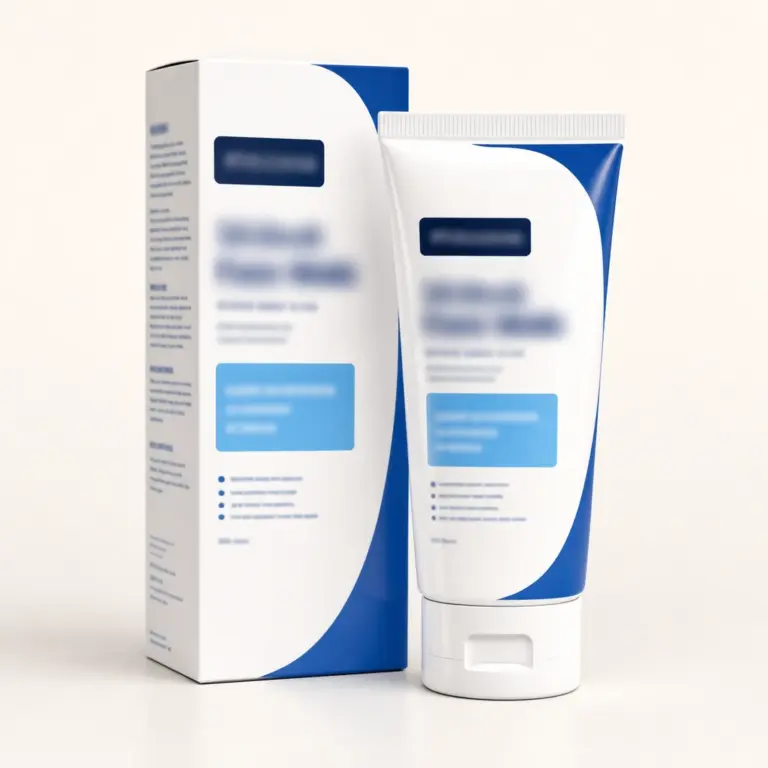
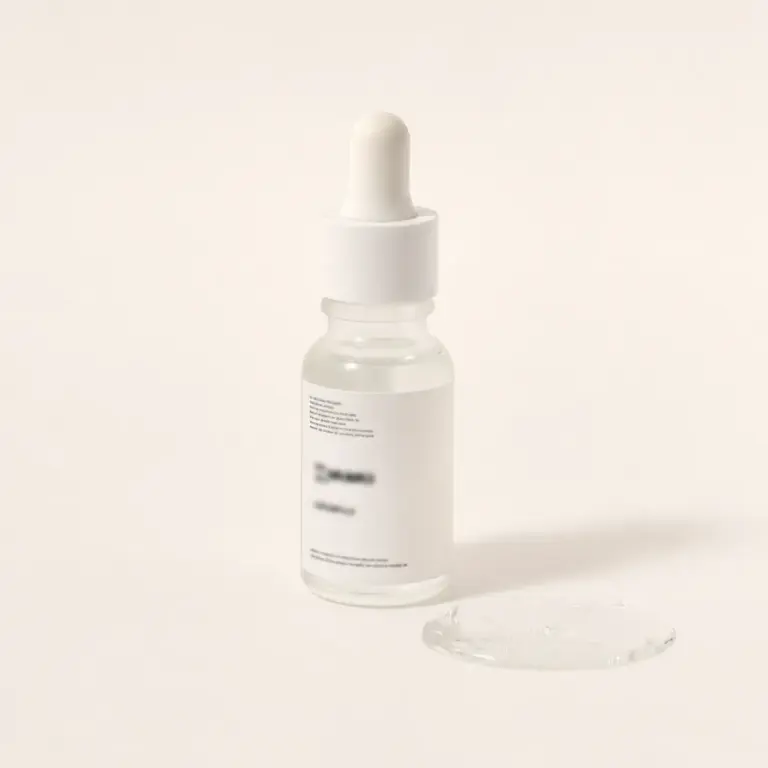
The Ordinary Hyaluronic Acid 2% + B5 is a straightforward hydrating serum that delivers multi-depth moisture at a fraction of the cost of premium alternatives. According to the listing, it contains five types of hyaluronic acid to deliver hydration to multiple layers of the skin, plus ceramides to lock in moisture and support the skin’s protective barrier. Wirecutter’s reviewers found it does a reliable skin-plumping job for less than a tenth of the price of pricier options. It’s designed to layer under moisturizer rather than work as a stand-alone treatment, making it a practical choice for anyone building a basic skincare routine on a budget. The formulation is typically about $10 to $20 and includes pro-vitamin B5, which the brand says enhances the skin’s moisture retention. It’s best for dry or dehydrated skin and works well in a layered routine, though it may feel tacky if applied too heavily and does require a moisturizer on top to seal in hydration.
The Ordinary
The Ordinary Hyaluronic Acid 2% + B5 Review
Best for Dry or dehydrated skin on a budget
A budget-friendly hydrating serum with five types of hyaluronic acid and ceramides for plumper-looking skin.
As an Amazon Associate I earn from qualifying purchases. How we make money
Frequently asked questions
Do I apply hyaluronic acid serum to wet or dry skin?
Apply it to damp or slightly damp skin, not dripping wet or completely dry. After cleansing, gently pat your face with a towel but leave it moist to the touch. This helps the hyaluronic acid draw moisture into your skin more effectively. If your skin has dried completely, lightly mist it with water before applying the serum.
Can I use hyaluronic acid serum without moisturizer?
It’s not recommended. Hyaluronic acid is a humectant that draws water in, but it doesn’t seal moisture in place on its own. Without a moisturizer on top, especially in dry or low-humidity environments, it can actually pull moisture from deeper layers of your skin, leaving it feeling tight or dry. Always follow with a moisturizer to lock hydration in.
How much hyaluronic acid serum should I use?
A few drops are usually enough to cover your face and neck. Warm the product between your fingertips, then press and pat it gently into your skin. Using too much can leave a tacky, sticky layer that takes a long time to absorb and may pill under other products or makeup. More serum doesn’t mean more hydration—it’s about application technique and layering correctly.
Can hyaluronic acid serum help with fine lines or acne?
Hyaluronic acid is a hydrator, not a treatment for fine lines, acne, or other skin conditions. It helps skin hold on to water, which can temporarily plump the skin and make it look smoother, but it won’t treat or correct underlying issues. For concerns like acne or aging, you’ll need targeted treatments alongside your hydrating serum. Always consult a doctor or dermatologist for persistent or severe skin concerns.