How to Choose Winter Boots and Booties
Last updated: October 7, 2026
Cali's Cart is reader-supported. When you buy through our links we may earn a commission, at no extra cost to you. As an Amazon Associate I earn from qualifying purchases. Learn more
Choosing the right winter boots or booties starts with understanding where you’ll wear them. True winter boots built for snow, ice and freezing temperatures need waterproof construction, insulation and aggressive tread, while fashion booties and slip-on camp styles work best for milder weather, indoor warmth or short outdoor errands. The difference matters: a bootie designed for cabin stays won’t keep your feet dry during a snowy commute, and heavy-duty snow boots feel like overkill for a quick trip to the car.
We researched winter footwear across categories to help you match features to your needs. Whether you’re looking for insulated slip-ons for après ski, casual combat boots for fall outfits or heeled Chelsea boots for work, this guide walks you through insulation types, waterproofing, traction, fit and the details to check on the listing before you buy. For more cold-weather essentials, see our Winter-Ready Accessories guide.
In short
- Match your boot to your activity: insulated waterproof boots for snow and ice, casual booties for mild weather, slip-on camp booties for indoor warmth and quick trips outside.
- Look for water-resistant or waterproof construction, grippy rubber outsoles and insulation rated for your climate; consider room for thick socks.
- Check the listing’s size chart and care instructions; winter boots need different features than fashion booties, so choose based on where and how you’ll wear them.
Understand the difference: winter boots vs booties vs camp slippers
Winter boots, fashion booties and insulated camp slippers serve different purposes, and mixing them up leads to cold, wet feet or wasted money. Winter boots designed for snow and ice feature waterproof construction (sealed seams, rubber or treated leather), insulation rated for freezing temperatures and deep-lugged rubber outsoles that grip on ice and packed snow. They’re built for shovelling, winter walks and commutes through slush. Fashion booties—combat boots, Chelsea boots, heeled ankle boots—prioritize style and work well in dry or mildly wet conditions, but most lack the insulation and waterproofing needed for true winter weather.
Insulated camp booties and slip-on styles fall somewhere in between: they’re warmer than fashion booties but not designed for deep snow or long outdoor wear. According to GearJunkie, insulated camp shoes with water-resistant uppers and treaded soles suit car campers, travellers and cabin-goers who want slip-on warmth with more structure than down booties, but they’re not winter boots for snow shovelling or extended walks in deep snow. Choose based on your primary activity: if you’ll spend more than a few minutes outside in snow or ice, prioritize waterproofing and traction over style.
If you live somewhere with icy sidewalks, consider pairing any boot with removable ice cleats for extra grip. Check the listing to confirm the boot’s intended use—many brands specify whether a style is water-resistant (light rain, snow flurries) or waterproof (standing water, heavy snow).
Insulation: what keeps your feet warm and when you need it
Insulation type and weight determine how warm a boot feels in cold weather. Synthetic insulation—polyester fill, ThermoBall, PrimaLoft—works well in wet conditions because it retains warmth even when damp, dries quickly and often uses recycled materials. The listing for the The North Face ThermoBall Traction Bootie notes 100% recycled polyester ThermoBall Eco insulation, which the brand designed to mimic down’s warmth in a synthetic package. Down insulation offers excellent warmth-to-weight ratio but loses its insulating ability when wet, so it’s better suited to dry cold or packable travel booties you’ll wear indoors.
Not all winter footwear needs heavy insulation. If you’ll wear your boots primarily indoors, in the car or for short outdoor errands, a lighter insulated bootie or an uninsulated boot with room for thick wool socks may suffice. For extended time outside in freezing temperatures—winter walks, commutes, outdoor work—look for boots with insulation rated for your climate and check whether the listing specifies a temperature range. Keep in mind that your activity level matters: standing still in the cold requires more insulation than walking or shovelling.
Check the listing’s fabric and insulation details to confirm what’s inside. If the boot has no insulation, plan to wear thick socks and consider whether the shaft height and fit leave room for them.
Waterproofing and water resistance: what the terms mean
Waterproof and water-resistant are not interchangeable, and the difference affects whether your feet stay dry. Waterproof boots feature sealed seams, waterproof membranes (Gore-Tex, eVent, proprietary linings) or rubber construction that blocks water completely; they’re designed for standing water, deep snow and slush. Water-resistant boots have treated uppers—coatings like DWR (durable water repellent), waxed leather or ripstop fabric—that shed light rain and snow but will eventually soak through in heavy or prolonged exposure. The North Face ThermoBall Traction Bootie listing describes a water-resistant ripstop upper with non-PFC DWR coating, which GearJunkie noted works for short outdoor trips but isn’t designed for deep snow or extended wear in wet conditions.
Check the listing’s material and construction details to understand what level of protection you’re getting. Rubber boots and rubber-bottom pac boots offer the most waterproof protection, while leather or synthetic uppers with waterproof membranes balance breathability and weather resistance. If the listing says ‘water-resistant’ or ‘treated upper,’ expect the boot to handle light moisture but not submersion or hours in wet snow. For serious winter conditions, look for terms like ‘waterproof membrane,’ ‘sealed seams’ or ‘rubber shell.’
Remember that waterproofing affects breathability: fully waterproof boots trap moisture from sweat, so if you’ll be active or wear them indoors, look for styles with breathable membranes or plan to remove them once you’re inside. Check the care instructions, too—some waterproof treatments require reapplication or special cleaning to maintain their effectiveness.
Traction and outsoles: grip for ice, snow and wet pavement
The outsole determines how well a boot grips on ice, snow and wet surfaces, and not all rubber soles are created equal. Deep lugs (the raised patterns on the sole) channel snow and slush away from the boot and provide grip on uneven terrain, while shallow tread works fine on dry pavement but slides on ice. Look for outsoles made from rubber or thermoplastic rubber (TPR) with aggressive tread patterns if you’ll walk on snow or ice. The North Face ThermoBall Traction Bootie listing specifies a high-traction rubber outsole with up to 20% recycled rubber content, which the brand designed for grip on slippery surfaces.
Heel height and platform affect stability on ice: lower, flatter soles give you better balance, while heeled boots increase your risk of slipping. The DREAM PAIRS Block Heel Chelsea Ankle Boots listing notes a chunky block heel with a platform and a TPR outsole, which suits dry or lightly wet conditions but requires caution on ice. If you need a heeled boot for winter, choose a chunky, stable heel over a stiletto and test your footing carefully on slippery surfaces.
For icy sidewalks and parking lots, even the best winter boot outsole may not be enough. Removable ice cleats that strap over your boots add metal or rubber spikes for extra grip and are worth considering if you live somewhere with frequent ice. Check the listing’s sole material and tread pattern, and if the photos don’t show the outsole clearly, look for customer images or contact the seller for details.
Fit, sizing and room for socks
Winter boots should fit with enough room for thick socks without feeling sloppy or causing your heel to slip. Most experts suggest trying winter boots with the socks you’ll actually wear—if you plan to wear thin dress socks, your usual size may work, but if you’ll layer thick wool or thermal socks, you may need to size up. The challenge: you can’t try boots on before buying online, so check the listing’s size chart and read any fit notes carefully.
Shaft height and circumference matter for fit and warmth. Ankle-height boots like the Amazon Essentials Lace-Up Combat Boots (which the listing describes as having a synthetic upper with jersey lining and an inside zipper closure) leave your lower leg exposed, so they work best with pants or tall socks in cold weather. Taller shafts provide more coverage and keep snow from getting inside, but they also require enough calf room to fit over thick pants or leggings. The DREAM PAIRS Block Heel Chelsea Ankle Boots listing notes shaft circumference details vary by size, so check the size chart on the listing if you need a specific fit.
Closure type affects ease of wear and adjustability. Lace-up boots let you customize the fit and tighten or loosen as needed, while slip-on styles and side-zip boots offer convenience but less adjustability. The North Face ThermoBall Traction Bootie listing describes a slip-on construction, which GearJunkie noted makes them easy to pull on and off at the cabin or campsite but offers no way to adjust the fit. If you’re between sizes or have wide or narrow feet, check the listing for width options or fit guidance, and when in doubt, consult the size chart before ordering.
Common mistakes to avoid
One of the most common mistakes is choosing a boot based on looks alone and then expecting it to perform in conditions it wasn’t designed for. Fashion booties with smooth soles and no insulation won’t keep you safe or warm on icy sidewalks, and insulated camp booties built for cabin stays won’t hold up to a winter commute through slush. GearJunkie made this point clearly when reviewing the North Face ThermoBall Traction Bootie: it’s a great insulated camp shoe for car campers, travellers and short outdoor trips, but it’s not a winter boot for snow shovelling or long walks in deep snow. Match the boot to your primary use, and if you need both fashion and function, consider owning two pairs.
Another mistake is ignoring care instructions and material limitations. The Amazon Essentials Lace-Up Combat Boots listing notes a faux leather upper, which won’t be as durable or weather-resistant as genuine leather, and the DREAM PAIRS Chelsea boots listing specifies hand wash only care, which requires more effort than machine-washable styles. Synthetic materials and vegan leather work well for budget-conscious or vegan shoppers, but they may not last as long or develop the same patina as leather, and they often require specific cleaning methods to avoid damage. Check the care instructions on the listing before you buy, and factor in the time and cost of maintenance.
Finally, many shoppers overlook the importance of checking the listing’s size chart and fit details, especially for brands they haven’t worn before. Sizing varies widely across brands and even across styles within the same brand, and assuming your usual size will fit can lead to frustration. If the listing doesn’t provide detailed sizing information, look for a customer service contact or check whether the brand offers fit guidance on its own website. For more advice on building a cold-weather wardrobe, see our Fall Wardrobe basics guide.
Quick checklist before you buy
Before you add winter boots or booties to your cart, run through this checklist to confirm you’re choosing the right pair for your needs:
- Intended use: Will you wear these primarily indoors, for short outdoor errands, or for extended time in snow and ice? Match the boot’s features (insulation, waterproofing, traction) to your primary activity.
- Waterproofing level: Does the listing say water-resistant (light moisture) or waterproof (standing water, deep snow)? Check the materials and construction details.
- Insulation and warmth: Does the boot have synthetic or down insulation, or will you rely on thick socks? Confirm the insulation type and consider your climate and activity level.
- Outsole and traction: Does the sole have deep lugs and rubber construction for grip on ice and snow, or is it a smooth sole better suited to dry pavement?
- Fit and sizing: Have you checked the size chart on the listing, and do you know whether you’ll need room for thick socks? Look for fit notes and width options.
- Closure and ease of wear: Do you want lace-up adjustability, slip-on convenience or a side zipper? Consider how often you’ll take the boots on and off.
- Care requirements: What are the cleaning and maintenance instructions? Machine washable, hand wash only or special leather care?
- Heel height and stability: If the boot has a heel, is it stable enough for winter conditions, or will you limit wear to dry days?
Products to compare
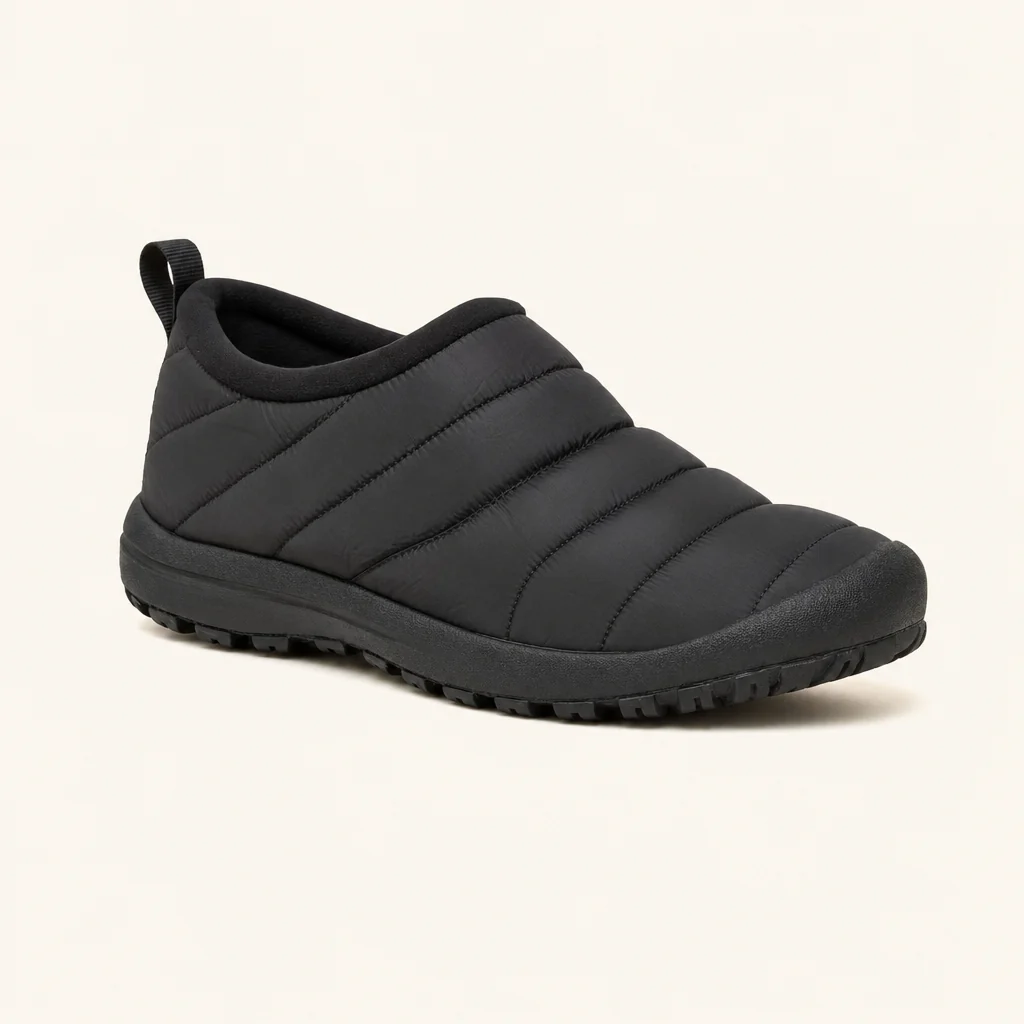
The North Face ThermoBall Traction Bootie
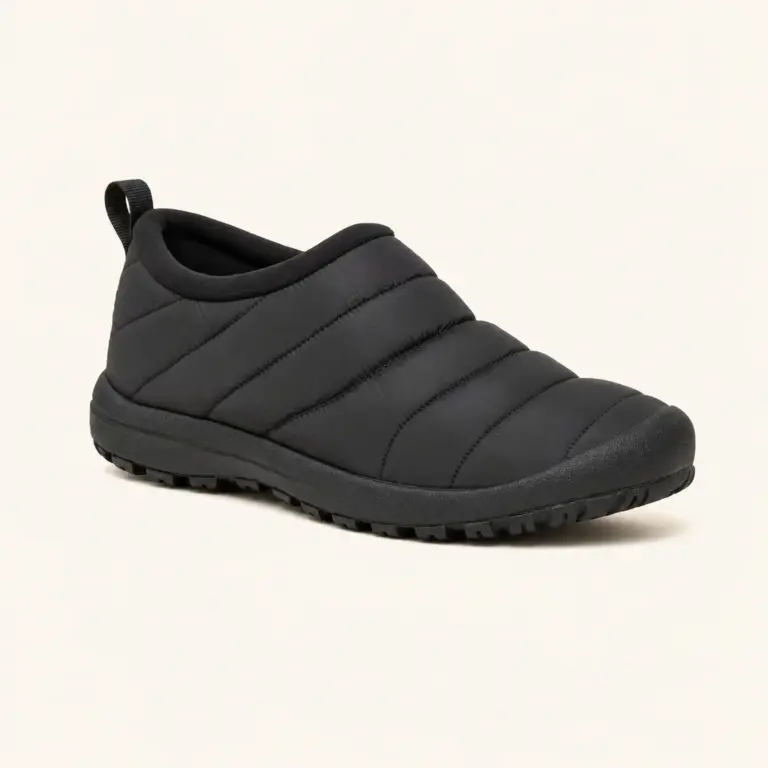
The The North Face ThermoBall Traction Bootie suits car campers, travellers, cabin-goers and anyone who wants slip-on warmth with more structure than packable down booties. According to the listing, it features 100% recycled polyester ThermoBall Eco insulation, a water-resistant ripstop upper with non-PFC DWR coating and a high-traction rubber outsole with up to 20% recycled rubber content. The ankle-height shaft and slip-on construction make it easy to pull on and off, and the brand says it’s machine washable. GearJunkie described it as an insulated camp shoe with a durable treaded sole, good for après ski, quick errands and indoor warmth, but noted it’s bulkier and heavier than ultralight down booties and not designed for deep snow or extended outdoor wear. If you need a bootie for cabin stays, travel or short trips outside—not snow shovelling or long winter walks—this style offers recycled insulation and water resistance in a slip-on package. Check the listing’s size chart for fit details, and see the typical price range on this page.
Amazon Essentials Lace-Up Combat Boots
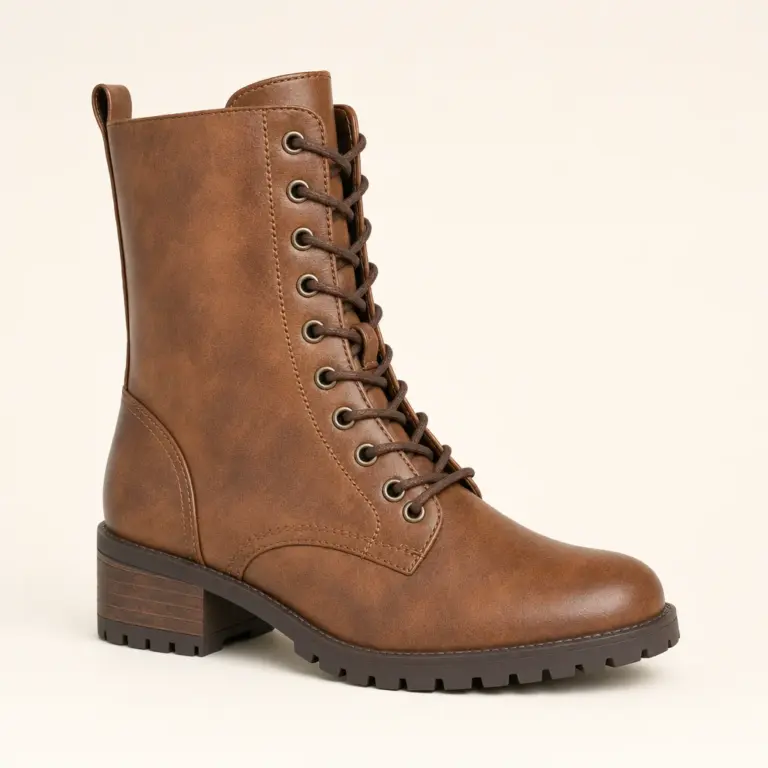
The Amazon Essentials Lace-Up Combat Boots may suit budget-conscious shoppers looking for a casual fall bootie for dry or mildly wet conditions. According to the listing, it has a faux leather upper with jersey lining, an inside zipper closure for easy on and off, and latex and memory foam insole padding. The brand offers it in sizes 5 to 13 (14) and six colour options, and the listing notes a matte finish with waxed laces. We found no independent reviews of this product, so we can describe only what the listing says: it’s made from 100% synthetic materials, imported from China, and not designed for winter snow or harsh weather. The listing does not detail fit or sizing guidance, so check the size chart on the page before ordering. If you’re looking for an affordable lace-up bootie for casual fall outfits and don’t need winter-weather features, this style offers memory foam cushioning and a side zipper at an accessible price point.
DREAM PAIRS Block Heel Chelsea Ankle Boots
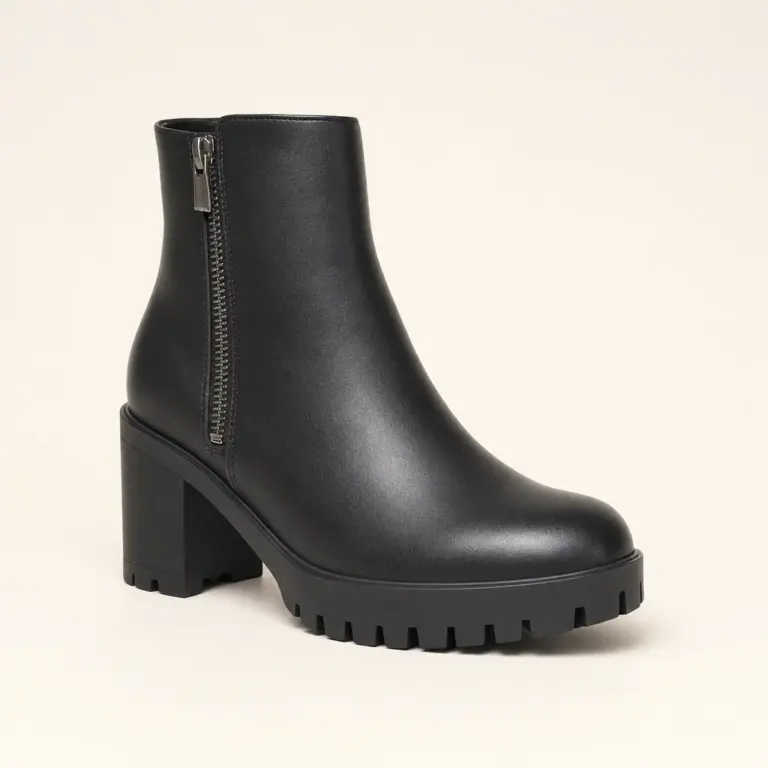
The DREAM PAIRS Block Heel Chelsea Ankle Boots may work for shoppers who want a heeled ankle boot for work and casual weekend outfits in dry or lightly wet conditions. According to the listing, it features a side zipper closure, a chunky block heel with a platform, a vegan leather upper and a TPR outsole. The listing notes shaft circumference details vary by size, so check the size chart on the listing for your specific fit. The brand offers it in seven colour options and specifies hand wash only care. Real Simple covered DREAM PAIRS low-heel Chelsea boots at the brand level, but the model match was not confirmed, so we can’t attribute specific praise to this style. The listing does not specify fit guidance, so verify the size chart before ordering. If you’re looking for a vegan leather Chelsea boot with a stable block heel for non-winter wear, this style offers a side zipper and platform cushioning, but the hand-wash care requirement and heel height make it less practical for icy conditions.
The North Face
The North Face ThermoBall Traction Bootie Review
Best for Cabin stays, car camping, après ski, quick errands
Insulated slip-on bootie with water-resistant recycled upper and grippy sole for cabin and camp warmth.
Amazon Essentials
Amazon Essentials Lace-Up Combat Boots
Best for Casual fall outfits on a budget
A combat boot with faux leather upper, inside zipper, and memory foam insole from Amazon Essentials.
DREAM PAIRS
DREAM PAIRS Block Heel Chelsea Ankle Boots
Best for Work and casual weekend outfits
Vegan leather Chelsea ankle boots with a 3-inch block heel, side zipper and cushioned insole.
As an Amazon Associate I earn from qualifying purchases. How we make money
Frequently asked questions
What’s the difference between waterproof and water-resistant winter boots?
Waterproof boots feature sealed seams, waterproof membranes or rubber construction that blocks water completely, making them suitable for standing water, deep snow and slush. Water-resistant boots have treated uppers—coatings like DWR, waxed leather or treated fabric—that shed light rain and snow but will soak through in heavy or prolonged exposure. Check the listing’s material and construction details to confirm the level of protection: if it says ‘water-resistant’ or ‘treated upper,’ expect the boot to handle light moisture but not submersion or hours in wet conditions. For serious winter weather, look for terms like ‘waterproof membrane,’ ‘sealed seams’ or ‘rubber shell.’
How do I know if I need to size up for thick socks?
If you plan to wear thick wool or thermal socks with your winter boots, you may need to size up to ensure enough room without causing your heel to slip or your toes to feel cramped. The challenge with online shopping is that you can’t try the boots on with your socks beforehand, so check the listing’s size chart and look for any fit notes that mention sock room or recommend sizing up. If the listing doesn’t provide fit guidance, consider ordering your usual size and a half size up to compare. When in doubt, consult the size chart on the listing or contact customer service for advice.
Can I wear fashion booties like combat boots or Chelsea boots in winter snow?
Fashion booties like combat boots and Chelsea boots work well in dry or mildly wet conditions, but most lack the insulation, waterproofing and aggressive traction needed for true winter snow and ice. If you live somewhere with frequent snow, ice or slush, prioritize boots designed for winter weather—waterproof construction, insulation and deep-lugged rubber outsoles—over style-focused booties. That said, if you’ll wear your booties primarily indoors, in the car or on cleared sidewalks, a fashion bootie with a grippy sole and room for thick socks may suffice for short outdoor trips. Just don’t expect a lightweight, uninsulated bootie to keep your feet warm and dry during a snowy commute or winter walk.
How do I care for winter boots to make them last?
Care depends on the boot’s materials and construction, so always check the listing’s care instructions before cleaning. Leather boots often benefit from waterproofing treatments and conditioning to prevent cracking and maintain water resistance, while synthetic and vegan leather boots may require specific cleaners to avoid damage. Some insulated booties, like those with synthetic fill, are machine washable, while others specify hand wash only or spot cleaning. After wearing your boots in snow or slush, wipe them down, remove any salt stains promptly (salt can damage leather and fabric), and let them air dry away from direct heat, which can crack materials and weaken adhesives. Proper care extends the life of your boots and maintains their waterproofing and appearance.